
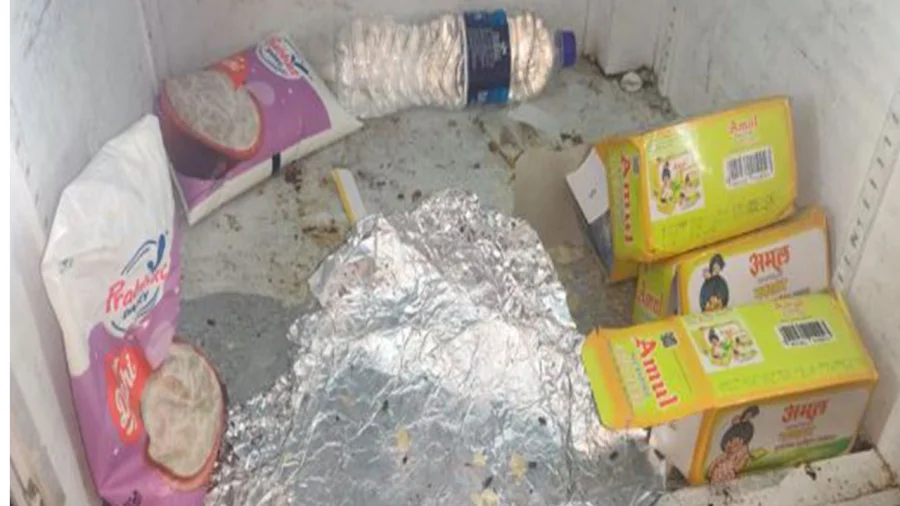
The next time a delivery partner rings your doorbell with a grocery bag from Blinkit, Zepto or Instamart, a new question is worth asking: did the dark store this order came from pass a hygiene inspection? For 14 outlets across Maharashtra, the answer just changed. The state's FDA has suspended their licences after inspectors found cockroaches and expired food on the premises.
What the FDA suspension covers — and which platforms are named
The Maharashtra FDA took decisive action by suspending licences for fourteen food outlets affiliated with quick-commerce services including Blinkit, Zepto and Instamart. The action follows inspections that uncovered significant hygiene breaches at these locations.
Inspectors flagged problems in pest management, storage conditions and temperature regulation — all critical controls for any business that handles food meant for human consumption.
Why a cockroach in a dark store shakes 10-minute delivery trust
For millions of Indian households, these apps are not a luxury — they are how daily milk, bread, fruit and snacks reach the kitchen. A pest sighting or an expired product in a dark store is not merely a regulatory violation. It is a breach of the core promise these platforms sell: convenience without compromise.
When families, working professionals and students receive food that has passed through a non-compliant facility, the health stakes are immediate. Foodborne illness, spoilage and contaminated stock are not abstract risks.
How the inspections unfolded — from hygiene checks to suspension
According to the initial report, the FDA's enforcement action followed targeted inspections of quick-commerce food outlets. The checks focused on the everyday realities of dark stores: how stock is stored, how pests are controlled and whether temperature-sensitive items are handled correctly.
In response, some establishments were temporarily closed, while others received official notices to rectify non-compliance. This two-track action — closure for the worst cases, corrective notices for the rest — highlights the urgency regulators now place on online food operators maintaining strict safety standards.
What this means for consumers who order daily groceries online
The immediate impact falls on regular users of quick-commerce apps. Suspended licences mean a supply node has been removed — but for consumers, the deeper concern is what happens inside facilities that continue operating.
Shoppers are now left wondering whether the product in their delivery bag was stored at the right temperature, rotated before expiry and protected from pests. These are basic food-safety expectations, yet the FDA action suggests they cannot be taken for granted.
What the Maharashtra FDA has said so far
The regulator's action is itself the clearest statement on record: 14 licences were suspended, some outlets were shut temporarily and others were directed to fix violations. Detailed public disclosures about individual outlets or the exact nature of each breach have not yet been released.
Beyond the suspension order, the FDA has not publicly detailed the evidence found at each location. That information is expected to emerge as the enforcement process moves forward.
The larger problem — rapid commerce versus food safety compliance
At the heart of this episode is a structural tension. Quick-commerce operates on speed, with tightly packed shelves, rapid inventory turnover and pressure to fulfil orders in minutes. But speed cannot override basic controls like pest management, cold-chain maintenance and stock rotation.
The Maharashtra FDA action signals that regulators will no longer treat hygiene as an afterthought in the quick-commerce model. What remains to be seen is how platforms redesign their dark-store operations to satisfy both speed and safety.
Confirmed so far versus what remains under investigation
Confirmed in the initial report: fourteen food outlets linked to Blinkit, Zepto and Instamart have had licences suspended; hygiene breaches include pest management, storage and temperature issues; some stores were closed while others received rectification notices.
Not yet clear: the identity of every affected outlet, the timeline for re-inspection and whether financial penalties or further suspensions will follow. Any details beyond the original report — including specific locations and enforcement dates — should be treated as pending official disclosure.
The other side — compliance pressure inside dark stores
It is worth noting that a single dark store holds thousands of SKUs, from perishable dairy to packaged snacks. Maintaining uniform hygiene across hundreds of fulfilment centres is an operational challenge, and platforms have pointed to food safety teams and audits as part of their standard processes.
Critics, however, argue that the rapid expansion of dark stores has outpaced the rigour of such checks. Without independent, surprise inspections, they say, self-reported compliance carries limited credibility. The FDA's suspension is, in effect, a corrective signal to both industry and consumers.
A widening crackdown on online food safety in India
This is not an isolated regulatory action. Food regulators across Indian states have been tightening oversight of online food delivery and quick commerce, with inspections increasingly targeting dark stores, cloud kitchens and delivery-only brands. The Maharashtra FDA's move fits that broader pattern of enforcement catching up with digital food retail.
For the industry, the message is consistent: scale and speed do not exempt any operator from the Food Safety and Standards Act.
What consumers should do before ordering from quick-commerce apps
Check the FSSAI licence number displayed on the app or packaging wherever possible. On delivery, inspect the product — look for damaged packaging, torn seals, visible pest contamination or unusual odours.
Always verify expiry dates on perishable and packaged items before accepting an order. If something appears stale, expired or contaminated, document it, report it to the platform, and escalate to the consumer helpline or the state food safety authority. Complaints are among the strongest signals regulators use to target future inspections.
What could happen next for Blinkit, Zepto and Instamart
The immediate expectation is that the affected outlets will undergo corrective action followed by re-inspection. Licences may be restored only after compliance is verified to the FDA's satisfaction.
Beyond that, platforms may face tighter audit requirements, higher penalties for repeat violations and closer scrutiny of supply chains. Public disclosure of inspection outcomes could also become more routine, giving consumers clearer visibility into where their food comes from.
Our Take
This is a defining moment for quick commerce in India. The convenience of ten-minute delivery was built on consumer trust — and trust is exactly what a cockroach in a dark store erodes. The FDA's suspension is not an attack on the industry; it is a reminder that food safety is non-negotiable, regardless of how fast the delivery promises to be.
The platforms that survive this scrutiny will be those that treat compliance as a core operational feature, not a damage-control exercise.
Frequently Asked Questions
What exactly did the Maharashtra FDA do?
The Maharashtra FDA suspended licences of 14 food outlets linked to quick-commerce platforms Blinkit, Zepto and Instamart after inspections found hygiene violations, including cockroaches and expired food at the premises.
Why were the quick-commerce licences suspended?
The suspensions followed findings of significant hygiene breaches — specifically problems in pest management, storage conditions and temperature regulation. Some outlets were temporarily closed, while others received notices to rectify the violations.
Which platforms are affected by this action?
The outlets are affiliated with Blinkit, Zepto and Instamart. The initial report does not disclose the names or exact locations of each affected outlet; further details are expected as the enforcement process continues.
What should I do if I receive expired or contaminated food from a quick-commerce app?
Do not consume the product. Photograph the item and packaging, report the issue immediately to the platform's customer support, and escalate the complaint to the state food safety authority or consumer helpline. Keep the delivery packaging as evidence.



