
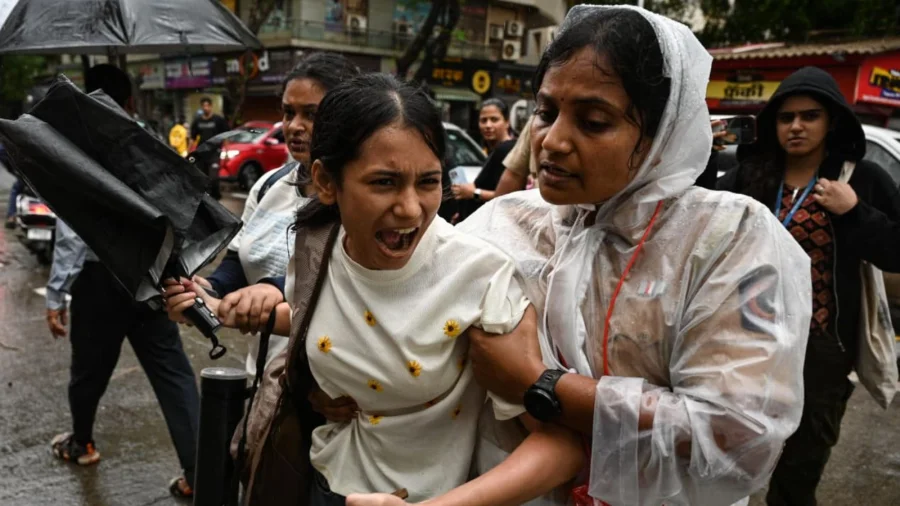
The anger that spilled onto the streets over NEET has reached the state secretariat. Maharashtra has decided to set up a panel to review and fix its recruitment exam system — a direct institutional response to weeks of protests by medical aspirants. For lakhs of students, the question now is whether this panel will actually change how their exams are conducted.
Why Maharashtra is acting on recruitment exams now
The panel has been formed to examine how recruitment exams are currently run and to suggest corrective measures. The development follows sustained protests over the NEET examination process, where allegations of paper leaks and irregularities shook public confidence.
As of now, the government has not publicly detailed the panel's composition or the exact terms of reference. What is confirmed so far is the decision itself — a formal acknowledgment that the existing system needs fixing.
What the panel is expected to address
At the heart of the exercise are concerns that have dominated student protests: leak-prone processes, delays in results, lack of transparency, and weak grievance redressal. The panel is widely expected to recommend stricter protocols and more accountable conduction of competitive exams.
Whether it will propose technology-driven monitoring, faster result timelines, or a unified testing framework is not yet known. Those details will define whether this is a structural reform or just another review.
How the NEET protests led to this move
The NEET-UG 2024 examination became a flashpoint after allegations of paper leaks and irregularities surfaced. Protests spread across several states, with Maharashtra emerging as one of the key centres of student anger.
Protesters demanded a credible, leak-proof and fair examination process. The formation of this panel is being read as the state's response to those demands — though officials have not yet confirmed the full scope of the intervention.
What this means for students and aspirants
For lakhs of aspirants in Maharashtra, recruitment exams are not a routine formality. They decide medical seats, government jobs and career trajectories. For them, the credibility of the panel is personal — it determines whether their effort is judged fairly or exposed to the risk of leaks and administrative delay.
The emotional weight behind the protests was simple: students want a system where merit decides outcomes, not circumstances.
What we know so far — and what is still unclear
Confirmed: A panel has been constituted to fix the recruitment exam system after NEET protests.
Unclear: The panel's members, its deadline, whether it will examine medical and non-medical recruitment exams alike, and whether its recommendations will be binding. All of this is yet to be officially announced.
Until the government publishes the terms of reference, any claim about the panel's specific powers remains speculative.
Risks, questions and the road ahead for exam integrity
Panels are only as effective as their follow-through. India's history is dotted with reform committees whose reports gathered dust after the news cycle moved on.
There are also open questions about who gets to sit on the panel — independent experts or serving bureaucrats — and whether its work will be time-bound. Without public disclosure and a clear implementation roadmap, the panel risks being seen as a symbolic gesture rather than a real fix.
A wider push for leak-proof exams
Maharashtra's move is part of a larger national reckoning. From NEET to UGC-NET, high-profile controversies over paper leaks have triggered demands for a technology-backed, tamper-proof testing framework across India.
Several states and central agencies are now exploring digital monitoring, biometric verification and faster result cycles. The Maharashtra panel could contribute to this broader conversation — if its recommendations see the light of day.
What aspirants should do right now
Students should track official government communications for updates on the panel's terms of reference and timeline. Until then, there is little to act on.
Aspirants should also be wary of unverified claims on social media about the panel's findings or supposed recommendations. The only credible information will come from official disclosures by the state government.
What happens next
The coming weeks should reveal the panel's structure and mandate. If it delivers time-bound, concrete recommendations, recruitment exams in Maharashtra could see visible changes — tighter security, faster grievance redressal and clearer result processes.
If the exercise remains opaque, the trust deficit that triggered the protests could deepen further. The pressure is now on the government to show that this panel is more than a response to the headlines.
Our Take
Setting up a panel is an important first step, but India has seen too many reports that ended in recommendations without action. The credibility of this exercise will hinge on three things: the independence of its members, the transparency of its process, and the government's willingness to implement what it proposes.
Students will be watching closely. So should the state — because the next exam cycle will be the real test of whether anything has actually changed.
Frequently Asked Questions
Why did Maharashtra set up a panel after NEET protests?
Maharashtra constituted the panel to review and fix the recruitment exam system in response to protests by NEET aspirants demanding transparency and fairness in competitive examinations.
What will the Maharashtra exam panel actually do?
The panel is expected to examine flaws in the recruitment exam process and suggest reforms. The exact terms of reference — which exams it will cover and what measures it will propose — have not been officially disclosed yet.
Who are the members of the Maharashtra recruitment exam panel?
The state government has not yet publicly announced the names or composition of the panel members. This information is expected to be released in an official notification.
What does this panel mean for students in Maharashtra?
If the panel recommends and the government implements effective reforms, recruitment exams in Maharashtra could become more secure and transparent. Until the details are published, students should wait for official updates before drawing conclusions.



