
Summary
The Madras High Court has taken a significant step by issuing a formal notice to the Election Commission of India. This legal move comes after a petition was filed against P. Umanath, a senior officer serving as the secretary to the Chief Minister. The case claims that the officer ignored election rules by giving orders to district leaders and police officials while the election laws were active. This situation is important because it looks at whether high-ranking government workers are staying neutral during the voting season.
Main Impact
The primary impact of this court order is the increased pressure on the Election Commission to monitor the actions of top government officials. In a democracy, the period leading up to an election must be fair for everyone. When a senior official close to the Chief Minister is accused of giving administrative orders, it raises concerns about whether the ruling party is using its power to gain an advantage. This case serves as a reminder that no official is above the rules set for fair elections.
Key Details
What Happened
A Public Interest Litigation, which is a type of court case filed to protect the public good, was brought before the Madras High Court. The person who filed the case argued that P. Umanath, an Indian Administrative Service (IAS) officer, stepped outside his legal boundaries. According to the complaint, the officer sent out instructions to District Collectors and high-level police officers. Under normal circumstances, this is part of his job. However, during an election period, such actions are strictly controlled to prevent any bias.
Important Numbers and Facts
The case focuses on the Model Code of Conduct, which is a set of guidelines that starts the moment an election is announced. P. Umanath holds a powerful position as the Secretary to the Chief Minister of Tamil Nadu. The court has now asked the Election Commission to provide a clear answer regarding these allegations. The legal team representing the petitioner argues that these administrative instructions could influence how the election is managed at the local level in various districts.
Background and Context
To understand why this matters, one must look at how elections work in India. When an election is scheduled, the Election Commission puts the Model Code of Conduct into place. This code is designed to ensure a "level playing field." This means that the party currently in power cannot use government resources, vehicles, or staff to help their campaign. It also means that government officials should not take orders from political leaders that could affect the election outcome.
District Collectors and police officers play a huge role during elections. They are responsible for keeping peace and making sure the voting process is honest. If a secretary to the Chief Minister gives them direct orders during this time, it can be seen as an attempt to bypass the authority of the Election Commission. The Madras High Court is now looking into whether these specific instructions were a routine part of government work or a violation of these strict election rules.
Public or Industry Reaction
Legal experts and political observers are watching this case closely. Many believe that the neutrality of the civil service is the backbone of a fair election. If senior IAS officers are seen as working for the benefit of a specific political party, public trust in the system can weaken. On the other hand, some administrative experts argue that the government must continue to function even during elections, and not every instruction should be viewed as a violation. The response from the Election Commission will be vital in deciding which side is right in this specific instance.
What This Means Going Forward
The next step involves the Election Commission filing its response to the court. They will need to explain if they were aware of the instructions given by the secretary and if those instructions broke any rules. If the court finds that the rules were broken, it could lead to disciplinary action against the officer. It might also lead to new, stricter guidelines on how the staff of a Chief Minister can interact with district officials during the voting period. This case will likely set a standard for how much power government secretaries can use when the Model Code of Conduct is in effect.
Final Take
The integrity of an election depends on the independence of the people running it. By questioning the actions of a high-level secretary, the Madras High Court is upholding the principle that election rules apply to everyone, regardless of their rank. This case highlights the ongoing struggle to keep politics and administration separate during the most critical times for a democracy. The final decision will play a major role in ensuring that future elections remain transparent and free from internal government influence.
Frequently Asked Questions
What is the Model Code of Conduct?
It is a set of rules that political parties and government officials must follow during an election to ensure the process is fair and that the ruling party does not use its power to win.
Who is P. Umanath?
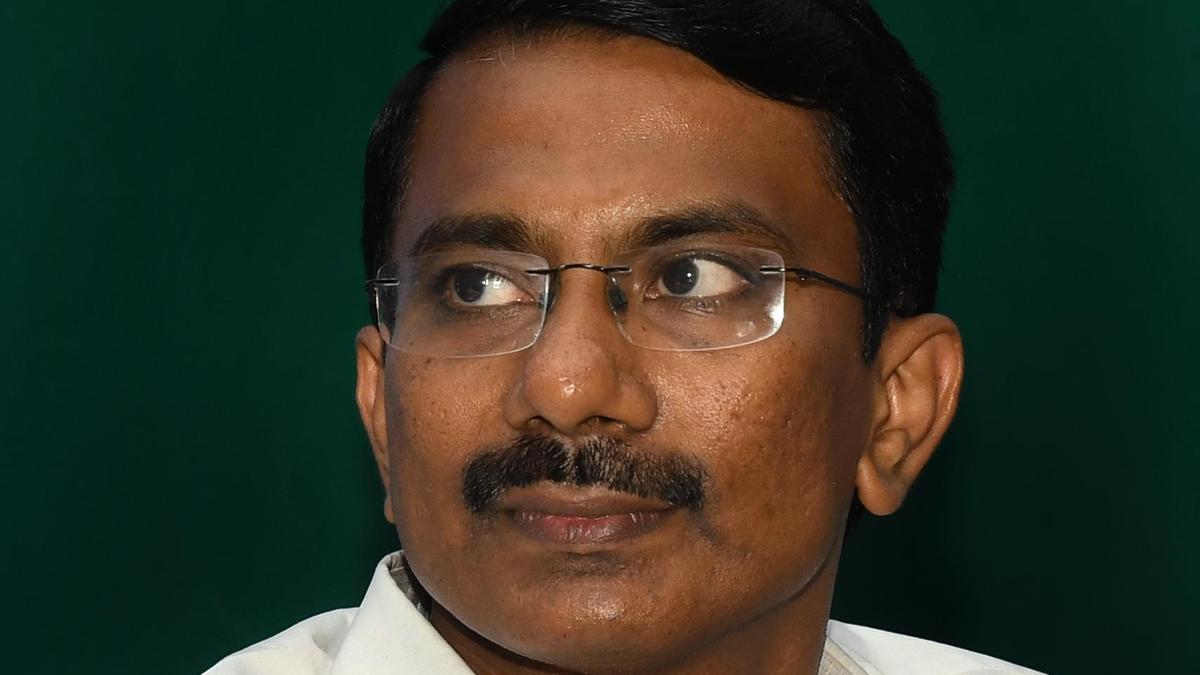
P. Umanath is a senior IAS officer who serves as a secretary to the Chief Minister. He is currently facing legal questions regarding instructions he gave to district officials.
Why did the court issue a notice to the Election Commission?
The court issued the notice to get the Commission's official stance on whether the officer's actions violated election laws, as the Commission is the main body responsible for enforcing those rules.



