
Summary
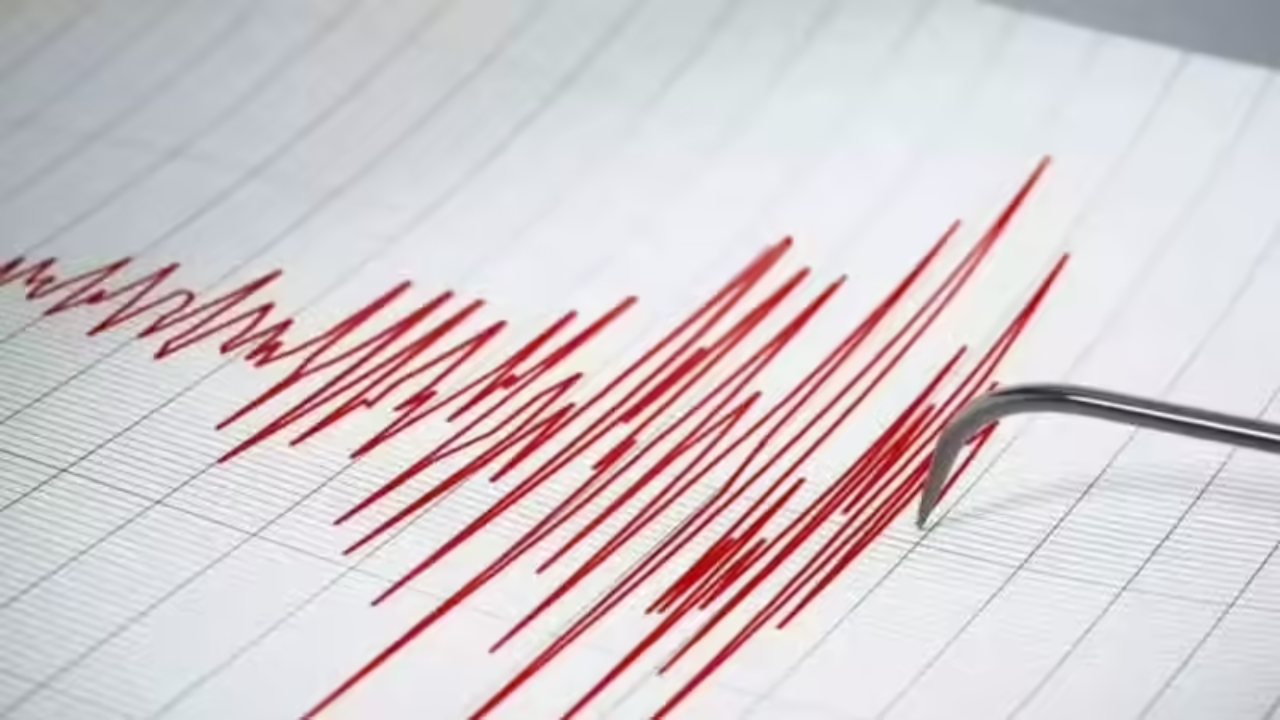
A moderate earthquake with a magnitude of 4.3 struck the Cachar district of Assam on Sunday morning. The tremor occurred at 9:21 AM local time and was felt across several parts of the state. While the shaking caused temporary panic among residents, there have been no immediate reports of injuries or significant damage to buildings. This event highlights the ongoing seismic activity in Northeast India, a region known for frequent underground movements.
Main Impact
The primary impact of this earthquake was the sudden vibration felt by people starting their Sunday morning. Because the earthquake happened at a very shallow depth, the shaking was noticeable even though the magnitude was not extremely high. Residents in Silchar and surrounding towns reported feeling their furniture shake and seeing ceiling fans sway. Fortunately, the energy released was not enough to collapse structures or cause a major disaster. The main effect has been a renewed sense of caution among the local population and authorities who monitor these natural events.
Key Details
What Happened
On the morning of April 12, 2026, the ground began to shake in the southern part of Assam. The National Center for Seismology tracked the event and confirmed that the earthquake started exactly at 09:21:58 IST. The shaking lasted for a few seconds, which is typical for a tremor of this size. Many people who were indoors rushed outside into open spaces as a safety measure. Local police and disaster management teams began checking the area shortly after the vibrations stopped to ensure everyone was safe.
Important Numbers and Facts
The earthquake was measured at a magnitude of 4.3 on the Richter scale. The starting point, or epicenter, was located at latitude 24.659°N and longitude 92.763°E in the Cachar district. One of the most important facts about this quake was its depth. It occurred only 5 kilometers below the surface of the earth. In the world of science, a depth of 5 kilometers is considered very shallow. Shallow earthquakes are often felt more strongly by people on the surface compared to deeper ones of the same strength.
Background and Context
Assam and the rest of Northeast India sit in a very active part of the world when it comes to earthquakes. This area is classified under Seismic Zone V, which is the highest risk category for earthquake activity. The reason the ground moves so often here is due to the meeting of two massive pieces of the earth's crust: the Indian plate and the Eurasian plate. These plates are constantly pushing against each other. Over time, pressure builds up, and when it is finally released, the ground shakes.
In the past, Assam has experienced much larger earthquakes that caused significant changes to the land. For example, the great earthquake of 1950 changed the flow of rivers and caused widespread destruction. Because of this history, even a smaller 4.3 magnitude tremor is taken very seriously by the government and the people living in the region. Understanding these smaller shakes helps scientists learn more about the pressure building up underground.
Public or Industry Reaction
The reaction from the public was one of quick concern followed by relief. On social media, residents shared their experiences, with many noting that the shake felt "sharp" but "short." Local businesses and shops continued to operate normally after the initial shock wore off. Government officials urged the public to remain calm and not to believe rumors that often spread after a tremor. Disaster response teams remained on standby, but as the hours passed without reports of damage, the level of alert was lowered. Experts in the construction industry often use these events as a reminder to follow strict building codes that help houses stand up against shaking.
What This Means Going Forward
Moving forward, this earthquake serves as a clear reminder that people in Assam must always be prepared. Since earthquakes cannot be predicted, the focus remains on safety and building strength. Local authorities are expected to continue their awareness programs, teaching families how to "drop, cover, and hold on" during a quake. There may also be more inspections of older buildings and bridges in Cachar to ensure they are still safe. Scientists will continue to monitor the area for any aftershocks, which are smaller shakes that sometimes follow a main earthquake. While aftershocks are common, they are usually weaker than the first tremor.
Final Take
While the 4.3 magnitude earthquake in Cachar did not cause a disaster, it is a wake-up call from nature. Living in a high-risk zone means that safety must be a part of daily life. The lack of damage this time is good news, but it should lead to better preparation for the future. Staying informed and keeping emergency kits ready are the best ways for the community to stay safe in this active part of the country.
Frequently Asked Questions
What does a 4.3 magnitude earthquake feel like?
A 4.3 magnitude earthquake is usually felt by most people indoors. It feels like a heavy truck striking a building. You might see hanging objects swing or hear windows rattle, but it rarely causes structural damage to strong buildings.
Why was the earthquake felt so clearly if it was only 4.3?
The earthquake was very shallow, occurring only 5 kilometers underground. When an earthquake is shallow, the energy does not have to travel far to reach the surface, making the shaking feel more intense to people nearby.
Is there a risk of more earthquakes in Assam soon?
Assam is in a high-risk seismic zone, so small tremors are common. While scientists cannot say exactly when the next one will happen, the region is always under watch because of the moving plates beneath the surface.



