
Summary
Saudi Arabia has officially started five new railway routes designed to move cargo across the country more efficiently. These routes connect major ports on the Arabian Gulf directly to the nation’s primary economic and industrial centers. By shifting more freight from roads to tracks, the government aims to lower shipping costs and significantly speed up delivery times. This move is a major part of the Kingdom’s plan to become a leading global hub for trade and transport.
Main Impact
The introduction of these five rail lines changes how goods move through the Middle East. The most immediate impact is the reduction in transport expenses for businesses. Moving large amounts of cargo by train is much cheaper than using hundreds of individual trucks. Additionally, this shift helps clear heavy traffic from major highways, making roads safer for everyday drivers. By creating a faster link between the sea and inland cities, Saudi Arabia is making its supply chain more reliable for both local and international companies.
Key Details
What Happened
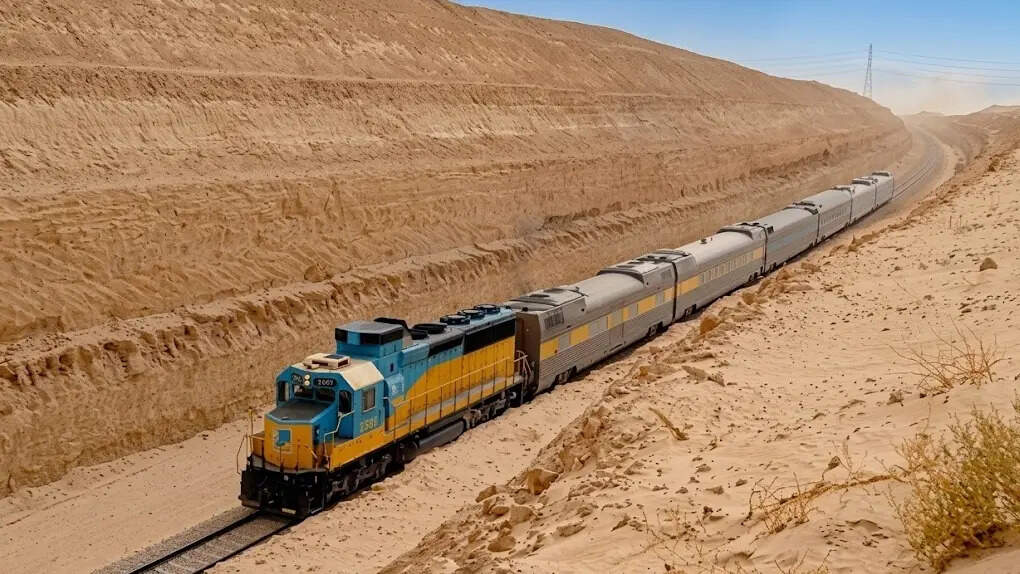
Saudi Arabia Railways (SAR) launched these five new logistics paths to better integrate the country’s transport network. These routes are specifically designed to handle heavy shipping containers and industrial materials. The trains will run between busy coastal ports and dry ports located near big cities. This system allows ships to unload their goods, which are then immediately placed on trains to be sent across the desert. This "port-to-door" approach cuts out many of the delays that usually happen when cargo sits in warehouses or waits for available truck drivers.
Important Numbers and Facts
The project focuses on five distinct paths that serve different industrial needs. By using these rail lines, the country expects to remove thousands of truck trips from the road every year. This is not just about speed; it is also about the environment. One cargo train can carry the same amount of goods as dozens of heavy-duty trucks while producing much lower carbon emissions. These efforts support the National Transport and Logistics Strategy, which seeks to increase the rail sector's contribution to the national economy by the year 2030. The government has invested billions into upgrading tracks, buying new locomotives, and building modern loading stations to ensure the system stays busy and effective.
Background and Context
For many years, Saudi Arabia relied heavily on its road network to move everything from food to construction materials. While the roads are high quality, the sheer volume of trucks created high maintenance costs and slower transit times. As part of the Vision 2030 plan, the Kingdom wants to diversify its economy so it does not depend only on oil. A big part of this plan involves using the country’s unique location. Saudi Arabia sits at a crossroads between Asia, Africa, and Europe. By building a world-class rail system, the country can offer global shipping companies a faster way to move goods across the region rather than relying solely on long sea routes around the peninsula.
Public or Industry Reaction
Leaders in the shipping and manufacturing industries have welcomed the news. Many business owners noted that high transport costs have historically been a challenge for expanding their operations. With cheaper rail options, these companies can now move products to market at a lower price, which could eventually lead to lower costs for consumers. Environmental groups have also praised the move, noting that rail transport is one of the cleanest ways to move heavy freight. Local residents in major cities are hopeful that the reduction in truck traffic will lead to fewer accidents and less noise on the highways connecting the eastern and central regions.
What This Means Going Forward
This launch is just the beginning of a much larger transformation. In the coming years, Saudi Arabia plans to expand its rail network even further, eventually linking the Red Sea coast in the west to the Gulf coast in the east. This "Landbridge" project will allow goods to cross the entire country in a fraction of the time it takes for a ship to sail around the coast. Furthermore, these five new routes will eventually connect with the wider GCC Railway, a massive project intended to link all six Gulf countries by a single train network. As technology improves, we may also see the introduction of automated systems to track cargo in real-time, making the Saudi logistics sector one of the most advanced in the world.
Final Take
The launch of these five rail routes is a practical and powerful step toward modernizing the Saudi economy. By focusing on efficiency and cost-reduction, the Kingdom is proving that it is serious about becoming a global leader in logistics. This project does more than just move boxes; it builds a foundation for future growth, cleaner air, and a more connected region. As these trains begin their regular journeys, the benefits will be felt by businesses and citizens alike, marking a new era for transport in the Middle East.
Frequently Asked Questions
How do the new rail routes save money?
Trains can carry much larger loads than trucks using less fuel per ton of cargo. This efficiency allows railway companies to charge lower rates for shipping, which reduces the overall cost for businesses moving goods from ports to cities.
Which areas are connected by these new routes?
The routes primarily link major ports on the Arabian Gulf with key economic hubs and industrial zones in the interior of the country, including the capital city of Riyadh and other manufacturing centers.
Will this help the environment?
Yes. By moving freight onto trains, the country reduces the number of diesel trucks on the road. This leads to a significant drop in carbon emissions and helps reduce the wear and tear on the national highway system.

