
Summary
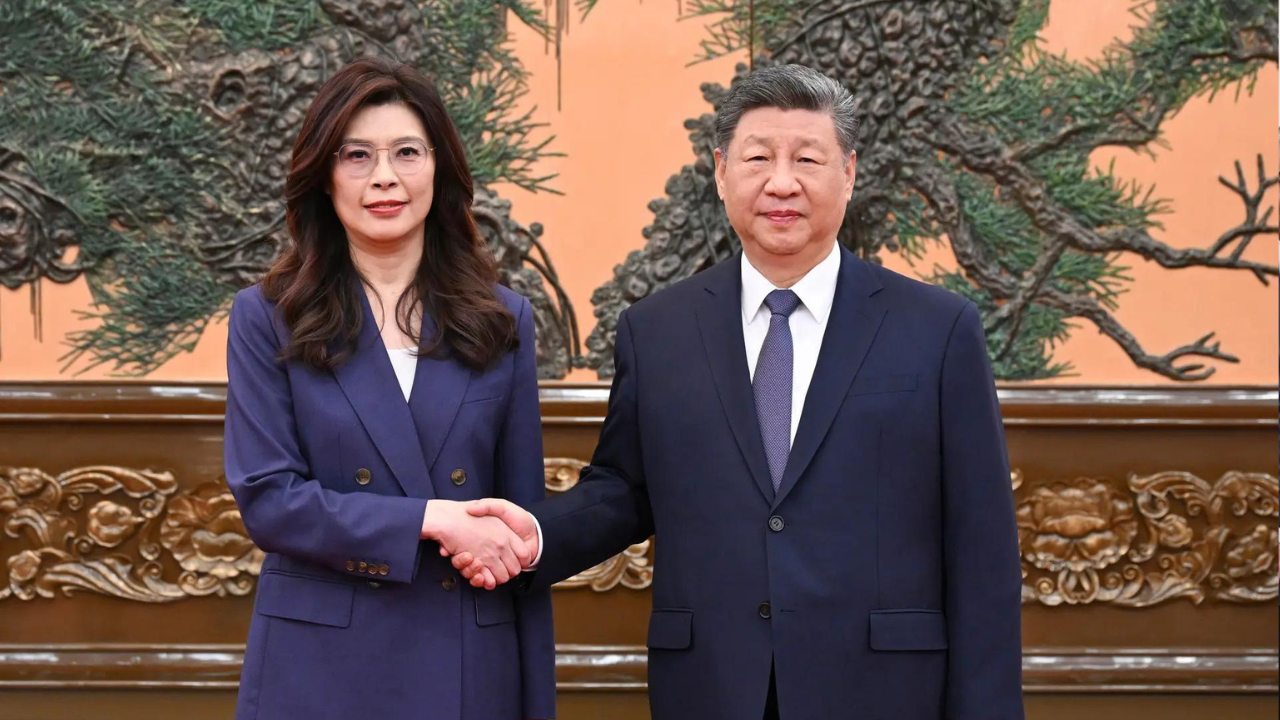
China has announced a plan to restart direct flights to more cities in Taiwan and lift bans on several trade products. This decision comes after recent meetings between Chinese officials and leaders from Taiwan’s main opposition party, the Kuomintang (KMT). By easing these restrictions, Beijing is attempting to improve its relationship with the island through economic and travel links. These moves are seen as a way to build a new communication path between the two sides during a time of political tension.
Main Impact
The most immediate impact of this decision is the reopening of travel and trade channels that have been closed or limited for a long time. For the tourism and airline industries, more direct flights mean easier travel for business people and families. On the trade side, the return of Taiwanese seafood and farm products to the Chinese market provides a much-needed boost for local producers. This shift shows that China is willing to use economic benefits to encourage better political cooperation with specific groups in Taiwan.
Key Details
What Happened
China is moving to restore several key links with Taiwan that were previously cut off. First, the Chinese government will allow more direct flights to fly between mainland cities and various locations in Taiwan. This expands the number of travel routes available to the public. Second, China is lifting the ban on aquaculture products. This means Taiwanese fishermen can once again sell their seafood, such as certain types of fish and shrimp, to buyers in mainland China. These changes happened after a series of talks where both sides discussed how to reduce friction and help businesses grow.
Important Numbers and Facts
The agreement focuses on several key areas of the economy. While the exact number of new flight routes has not been fully listed, the goal is to return to levels seen before the recent cooling of relations. The trade easing specifically targets the aquaculture sector, which represents millions of dollars in potential revenue for Taiwanese coastal communities. Additionally, Beijing and the KMT are working to create a formal "communication mechanism." This is a structured way for the two groups to talk regularly about trade, safety, and infrastructure without needing to go through the official government channels in Taipei.
Background and Context
To understand why this matters, it is important to look at the history of the region. For several years, relations between Beijing and the current government in Taiwan have been very cold. China has often used trade bans as a way to show its unhappiness with political decisions in Taiwan. For example, in the past, China stopped buying Taiwanese pineapples and certain types of fish, claiming there were safety or pest issues. Many experts believed these were actually political moves. By choosing to lift these bans now, China is signaling a "soft" approach. They are focusing on the Kuomintang party, which generally favors having more open talks with the mainland, rather than the current ruling party which takes a firmer stance on independence.
Public or Industry Reaction
The reaction to this news has been a mix of relief and caution. In the business world, airline companies and travel agencies are happy because they expect more customers. Farmers and fishermen in southern Taiwan, who were hit hard by previous trade bans, see this as a chance to recover their lost income. However, some political experts in Taiwan are worried. They believe that China is using "economic bait" to influence the public and create divisions within Taiwan’s internal politics. There is a concern that these trade links could be cut off again at any time if political disagreements return.
What This Means Going Forward
Looking ahead, this move could lead to even more cooperation in areas like infrastructure. There are already proposals being discussed for new bridges or transport links that would connect mainland China more closely with islands controlled by Taiwan. The success of these plans will depend on how the communication between Beijing and the KMT develops. If these economic steps lead to a more stable environment, we might see more trade restrictions disappear. However, the underlying political tension remains, and any sudden change in leadership or policy could easily reverse these gains.
Final Take
China is using trade and travel as tools to rebuild a bridge with Taiwan. By helping fishermen and travelers, Beijing hopes to show the benefits of a closer relationship. While this brings clear economic advantages to many people, it also serves as a reminder of how closely business and politics are linked in this part of the world. The coming months will show if these small steps lead to a lasting change or if they are just a temporary fix in a long-standing disagreement.
Frequently Asked Questions
Why did China stop these flights and trade imports before?
China often limits trade or travel when political tensions rise. In the past, they claimed that certain Taiwanese products had safety issues or pests, but many people believe these were political decisions to put pressure on the Taiwanese government.
What is aquaculture?
Aquaculture is basically farming in water. It involves raising fish, shrimp, and other seafood in controlled environments like ponds or tanks instead of catching them in the wild ocean. It is a very important industry for many people in Taiwan.
How does this affect the average person in Taiwan?
For the average person, this could mean cheaper travel options to mainland China and more job security for those working in the fishing and farming industries. It also means that certain Taiwanese products will have a much larger market to sell to, which helps the overall economy.

