
Summary
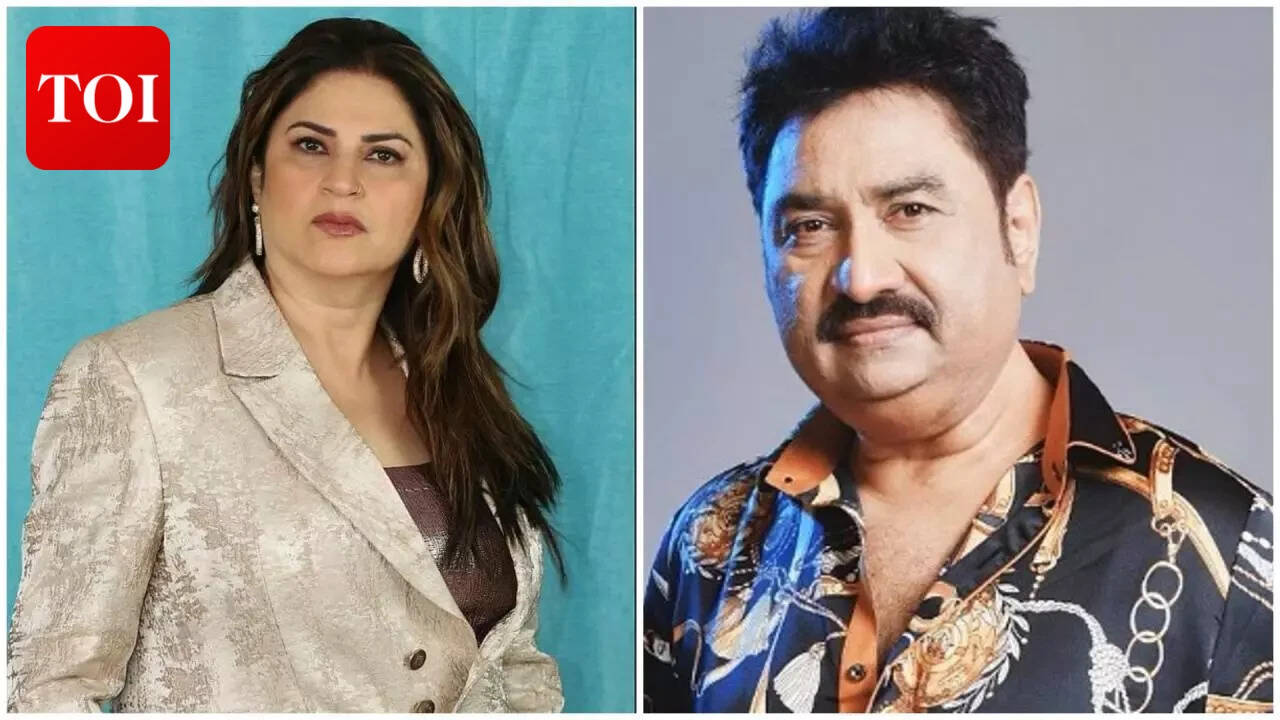
Veteran actor Kunickaa Sadanand has taken a strong stand against the misuse of Artificial Intelligence (AI) after a fake image of her began circulating online. The computer-generated photo showed her alongside the famous playback singer Kumar Sanu, creating a false impression of a real-life moment. Kunickaa used her social media platform to call out the trolls responsible for the image, warning them about the legal consequences of invading her privacy. This incident highlights the growing concerns over how easily technology can be used to create misleading content about public figures.
Main Impact
The primary impact of this event is the renewed focus on digital safety and the ethics of AI-generated content. When fake images are shared as if they are real, they can damage a person's reputation and cause unnecessary confusion among the public. Kunickaa Sadanand’s decision to speak up serves as a reminder that celebrities are increasingly vulnerable to digital harassment. Her reaction sets a precedent for other public figures to challenge the unauthorized use of their likeness, pushing for more accountability on social media platforms.
Key Details
What Happened
Recently, an image appeared on the social media platform X, formerly known as Twitter, featuring Kunickaa Sadanand and Kumar Sanu. While the photo looked convincing to some, it was actually created using AI tools. The image was shared by anonymous accounts, often referred to as trolls, who used it to stir up talk or mock the individuals involved. Kunickaa quickly noticed the post and did not ignore it. She issued a direct warning to those spreading the photo, stating that such actions are a clear violation of her personal space and privacy rights.
Important Numbers and Facts
The incident took place on X, where the actor has a significant following. While the exact number of shares the fake photo received was not disclosed, the reaction from the actor was immediate. Kunickaa Sadanand has been a part of the Indian film and television industry for decades, making her a well-known face to millions. Kumar Sanu is one of India’s most successful singers, having recorded thousands of songs. The use of two high-profile names made the fake image spread faster than a typical post, which is why the actor felt the need to step in so quickly.
Background and Context
This issue matters because AI technology is becoming very easy for anyone to use. In the past, making a fake photo required expert skills in editing software. Today, simple apps can create realistic images of people in seconds. These are often called "deepfakes" or AI-generated images. While this technology can be used for movies or fun projects, it is often used for "trolling," which means bothering or upsetting people online for no good reason.
In recent months, several other actors have faced similar problems. Fake videos and photos of famous stars have been used to spread misinformation or even to trick people into scams. Because these images look so real, many viewers do not realize they are looking at something fake. This creates a dangerous environment where the truth is hard to find, and personal privacy is often ignored by those looking for likes or followers.
Public or Industry Reaction
The reaction to Kunickaa’s statement has been mostly supportive. Many of her fans and fellow actors have praised her for being brave and speaking out. They agree that there should be stricter rules for what people can post online. On the other hand, the incident has also sparked a debate about how social media companies handle fake content. Many users feel that platforms like X should do more to automatically detect and remove AI-generated images that are meant to harass people. The film industry is also becoming more vocal about "digital rights," which would give actors more power to stop people from using their faces in AI projects without permission.
What This Means Going Forward
Going forward, we can expect to see more legal battles over AI content. As technology gets better, it will become harder to tell what is real and what is fake. This means that laws will likely change to protect people from having their images used without their consent. For the average user, this story is a lesson to be careful about what they believe and share online. It is important to check if a photo is real before passing it on to others. For celebrities, the next step will likely involve working with tech experts to find ways to "watermark" or prove that their real photos are authentic.
Final Take
Kunickaa Sadanand’s firm response to the trolls is a necessary step in the fight for digital respect. Technology should be a tool for progress, not a weapon for harassment. By standing up against the misuse of AI, she is helping to draw a line between creative freedom and the right to privacy. As we move further into a world filled with AI, the human element of respect and truth must remain the most important part of our online lives.
Frequently Asked Questions
What is an AI-generated image?
An AI-generated image is a picture created by a computer program rather than a camera. It uses data from existing photos to create a new, often realistic-looking image of a person or scene that never actually happened.
Why was Kunickaa Sadanand upset about the photo?
She was upset because the photo was fake and used her likeness without her permission. She viewed it as an invasion of her privacy and a way for trolls to spread false information about her and singer Kumar Sanu.
Can people get in trouble for making fake AI photos of celebrities?
Yes, in many places, using someone's image without permission to harass them or damage their reputation can lead to legal trouble. Many countries are currently updating their laws to specifically include punishments for creating and sharing harmful deepfakes.



