
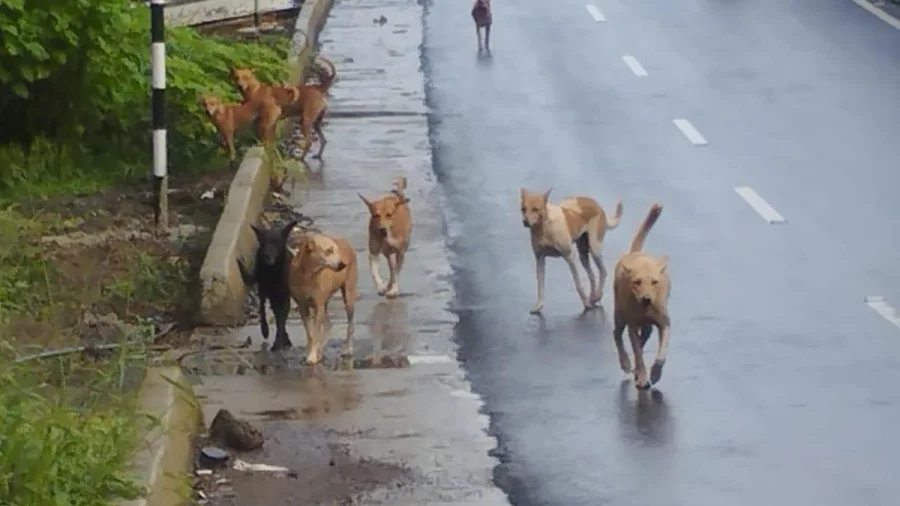
Kozhikode Corporation has been planning a network of small shelters for stray dogs across the city, but the initiative is stuck on the first and most critical step—finding land. Without plots to build on, even the most well-intentioned animal welfare blueprint remains just that: a plan on paper.
Shelter strategy hits a real estate wall
The project, conceived to manage the city’s stray dog population humanely, proposes decentralised shelters instead of one large facility. Officials say this approach would reduce stress on animals and be easier to maintain. But each location requires a suitable plot—land that is affordable, accessible, and acceptable to local residents.
Animal welfare bodies involved in discussions have repeatedly flagged land availability as the single biggest obstacle. “Finding even one site in a dense urban area is tough,” a member of a local animal welfare group told reporters. “Multiple sites makes it exponentially harder.”
Why local opposition could stall everything
Beyond availability, the Corporation faces neighbourhood resistance. Residents often oppose stray dog shelters near homes or schools, citing noise, odour, and safety fears—even when the shelters are well-run. Similar projects in other Kerala cities have faced protests that delayed construction by months.
Animal rights activists caution that this opposition, if not addressed through transparent community engagement, could derail the entire project. “Land is only half the battle,” a welfare volunteer explained. “The other half is winning trust.”
Timeline: How the plan unfolded so far
The Corporation first announced its shelter network plan in late 2024, after years of complaints about dog bites and culling demands. In early 2025, officials toured existing shelter models in neighbouring districts and prepared a preliminary list of potential municipal plots. Since then, progress has slowed as most identified sites either were too small, fell in residential zones, or were already earmarked for other uses.
Human impact: Who feels the absence of shelters
For Kozhikode’s residents, the delay means no visible change in stray dog management. Daily, people navigate streets with packs of dogs, and reported bite incidents remain common. For the animals themselves, the lack of shelters means continued exposure to road accidents, disease, and conflicts with humans. The project, if realised, would provide medical care, sterilisation, and controlled feeding—improving life for both dogs and citizens.
What the Corporation says
Corporation officials acknowledge the land challenge but say they are committed to the decentralised model. “We are exploring alternative options—including land swaps with private parties and unused Corporation-owned plots in less dense wards,” a senior official said on condition of anonymity because they were not authorised to speak publicly. No deadline has been set for completing land acquisition.
Why a decentralised model makes sense—and costs more
Animal behaviour experts note that smaller, scattered shelters reduce stress and disease spread compared to large kennels. However, they require land at multiple points—a luxury in a city where real estate is scarce and expensive. The Corporation will need to allocate a significant budget for land acquisition or leasing, which has not yet been approved by the council.
Confirmed facts vs what remains unclear
Confirmed: The project envisions small shelters at multiple locations; land availability is the primary hurdle; animal welfare bodies have warned about it; local opposition is expected. Unclear: Which specific plots are under consideration; the total budget for land; the timeline for resolving objections; whether the Corporation has authority to acquire land for this purpose under the Municipality Act.
Risks and a balanced view
Supporters say decentralised shelters are humane and sustainable. Critics point out that without proper enforcement of animal birth control and anti-littering laws, shelters alone won't reduce the stray population. There are also concerns about maintenance costs if the Corporation fails to staff them adequately. A balanced approach would couple shelter construction with intensified sterilisation drives and public awareness.
Wider trend: Urban stray dog policies across India
Several Indian cities—including Pune, Chennai, and Bengaluru—have moved toward multiple small shelters combined with sterilisation centres. Kozhikode’s struggle mirrors a national pattern: humane animal management is often held up not by lack of will, but by land and local politics. The success or failure of this project could influence how other mid-sized cities in Kerala and across the country approach the issue.
What residents and stakeholders can do now
Ward councillors can identify potential municipal or vacant plots in their areas. Residents can form animal welfare committees to discuss concerns early and propose community-managed feeding stations. Animal welfare groups should continue to press the Corporation for a transparent land search process with public input.
Future outlook
If the Corporation secures even one or two plots this year, the project could serve as a pilot. If land remains elusive, the plan may be scaled down to a single shelter or revised to a mobile vet-care model. Much depends on political will and public cooperation. Without land, the paper plan cannot become a real solution.
Our Take
The Kozhikode shelter project is a textbook example of a good policy stuck on implementation basics. Land—the most finite resource in any city—is the silent gatekeeper of humane animal management. The Corporation must treat this not as a logistical hiccup but as a governance challenge requiring cross-departmental coordination, community buy-in, and realistic budgeting. Without addressing the land question head-on, other efforts—like sterilisation drives—will continue without a permanent home for the city’s strays.
Frequently Asked Questions
Why is finding land so difficult for Kozhikode’s stray dog shelter project?
Urban land is scarce and expensive, and many available plots are already reserved for other public needs. Additionally, local residents often oppose shelters near their homes, adding social resistance to the scarcity.
What kind of shelters is Kozhikode Corporation planning?
The project envisions small, decentralised shelters at multiple locations rather than one large facility. This design is meant to reduce animal stress and ease maintenance.
Who is objecting to the shelter plan?
Animal welfare bodies have raised concerns about land availability, while local residents may oppose shelters due to noise, odour, or safety concerns—even if the shelters are well-managed.
What happens if the Corporation cannot find land?
The project may be scaled down to a single shelter, switched to mobile units, or postponed indefinitely. Without land, the decentralised shelter network cannot be built.



