
Summary
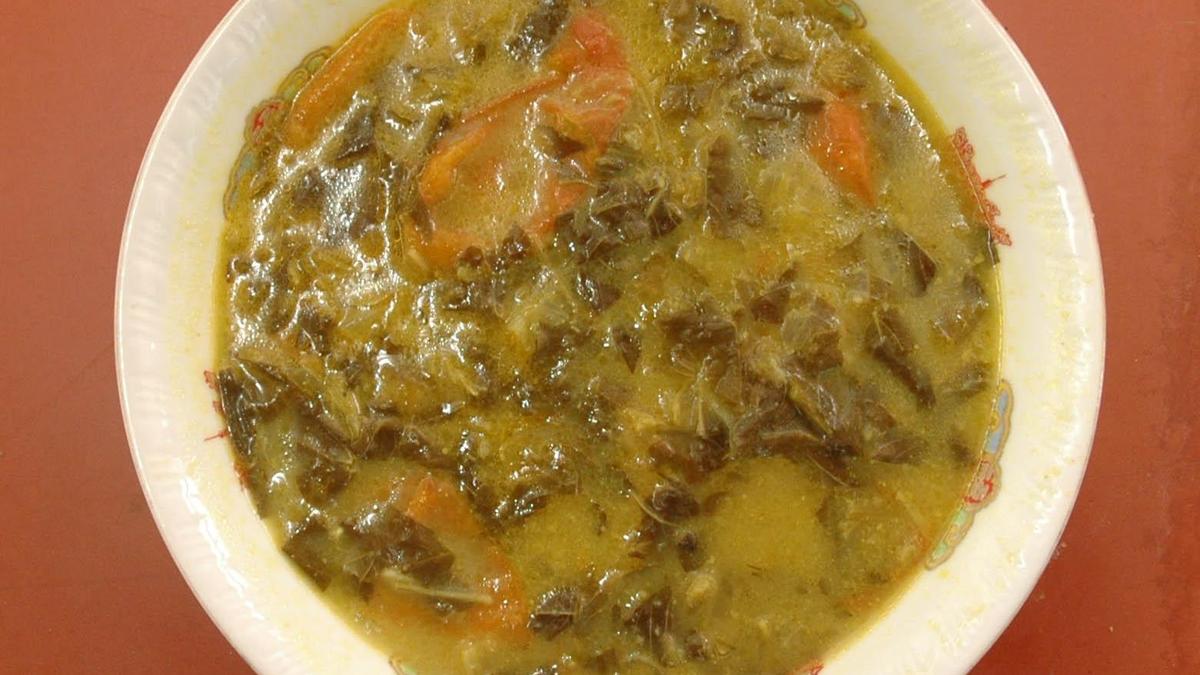
Four members of a single family in Kozhikode, Kerala, were recently admitted to a hospital following a severe case of suspected food poisoning. The health issues reportedly began after the family consumed a spinach curry that had been stored in their refrigerator. This incident has raised concerns about food safety and the risks associated with eating leftover cooked vegetables. Medical professionals are currently monitoring the patients as they recover from the sudden illness.
Main Impact
The primary impact of this event is the immediate health crisis faced by the family, who required urgent medical care. Beyond the individual family, the incident serves as a serious warning to the public about the dangers of improper food storage. It highlights how even common household meals can become dangerous if not handled correctly. Local health authorities often use such cases to remind people that refrigeration does not completely stop the growth of harmful bacteria or chemical changes in certain foods.
Key Details
What Happened
The family, residing in the Kozhikode district, prepared a traditional spinach curry for a meal. Instead of finishing the dish, they stored the leftovers in the refrigerator to eat later. After consuming the stored curry the following day, all four family members began to show signs of physical distress. They experienced symptoms common with foodborne illnesses, such as stomach pain, nausea, and vomiting. Recognizing the severity of the situation, they sought help at a local hospital where they were admitted for treatment.
Important Numbers and Facts
The incident involved four individuals, all from the same household. While the exact duration the food was kept in the fridge has not been publicly confirmed, hospital sources pointed to the spinach dish as the likely source of the toxin. In Kerala, food safety has become a major topic of discussion over the last year, with several high-profile cases of food poisoning reported across different districts. Health officials track these cases to identify if there are wider issues with food supply or if they are isolated kitchen safety errors.
Background and Context
Food poisoning occurs when people eat food contaminated with harmful bacteria, viruses, or toxins. Spinach and other leafy greens are particularly sensitive. These vegetables contain nitrates, which are generally harmless. However, when cooked spinach is left for a long time or stored improperly, bacteria can turn these nitrates into nitrites. High levels of nitrites can be harmful, especially to young children and the elderly. Additionally, if a refrigerator is not cold enough or if the food was not cooled down quickly before being put away, bacteria like Listeria or Salmonella can grow even in a cold environment.
Public or Industry Reaction
The news has caused a stir among local residents in Kozhikode, leading to many discussions on social media about kitchen hygiene. Many people are surprised that a home-cooked vegetable dish could lead to hospitalization, as most public focus is usually on meat or restaurant food. Health experts in the region are using this opportunity to educate the public. They suggest that people should be more careful with how they store "reheated" food. There is a growing call for better awareness programs that teach basic food science to families to prevent these types of accidents in the home.
What This Means Going Forward
Moving forward, this incident will likely lead to more cautious food habits for many families in the area. It is a reminder that the refrigerator is not a "magic box" that keeps food safe forever. People are encouraged to check their fridge temperatures regularly to ensure they stay below 5 degrees Celsius. Health officials also recommend that cooked leafy greens should ideally be eaten fresh. If they must be stored, they should be cooled quickly and reheated only once at a very high temperature to kill any potential bacteria. This case may also prompt local health departments to release new guidelines on domestic food safety.
Final Take
The hospitalization of this family is a sad reminder that food safety starts in the home kitchen. While we often worry about the quality of food in shops and restaurants, how we handle our own leftovers is just as important. Simple steps, like not keeping cooked vegetables for too long and ensuring proper cooling, can prevent a simple meal from turning into a medical emergency. Staying informed about how different foods react to storage is the best way to keep our families safe and healthy.
Frequently Asked Questions
Is it safe to eat leftover spinach?
Yes, it is generally safe if you cool it down quickly and store it in a cold refrigerator. However, it is best to eat it within 24 hours and avoid reheating it multiple times, as this can change the chemical balance of the vegetable.
What are the common signs of food poisoning?
The most common signs include feeling sick to your stomach, vomiting, diarrhea, and stomach cramps. Some people may also experience a fever or a headache shortly after eating contaminated food.
How can I prevent food poisoning at home?
Always wash your hands before cooking, keep raw and cooked foods separate, and make sure your refrigerator is set to the correct cold temperature. If food looks or smells strange, it is always safer to throw it away than to risk eating it.



