
Summary
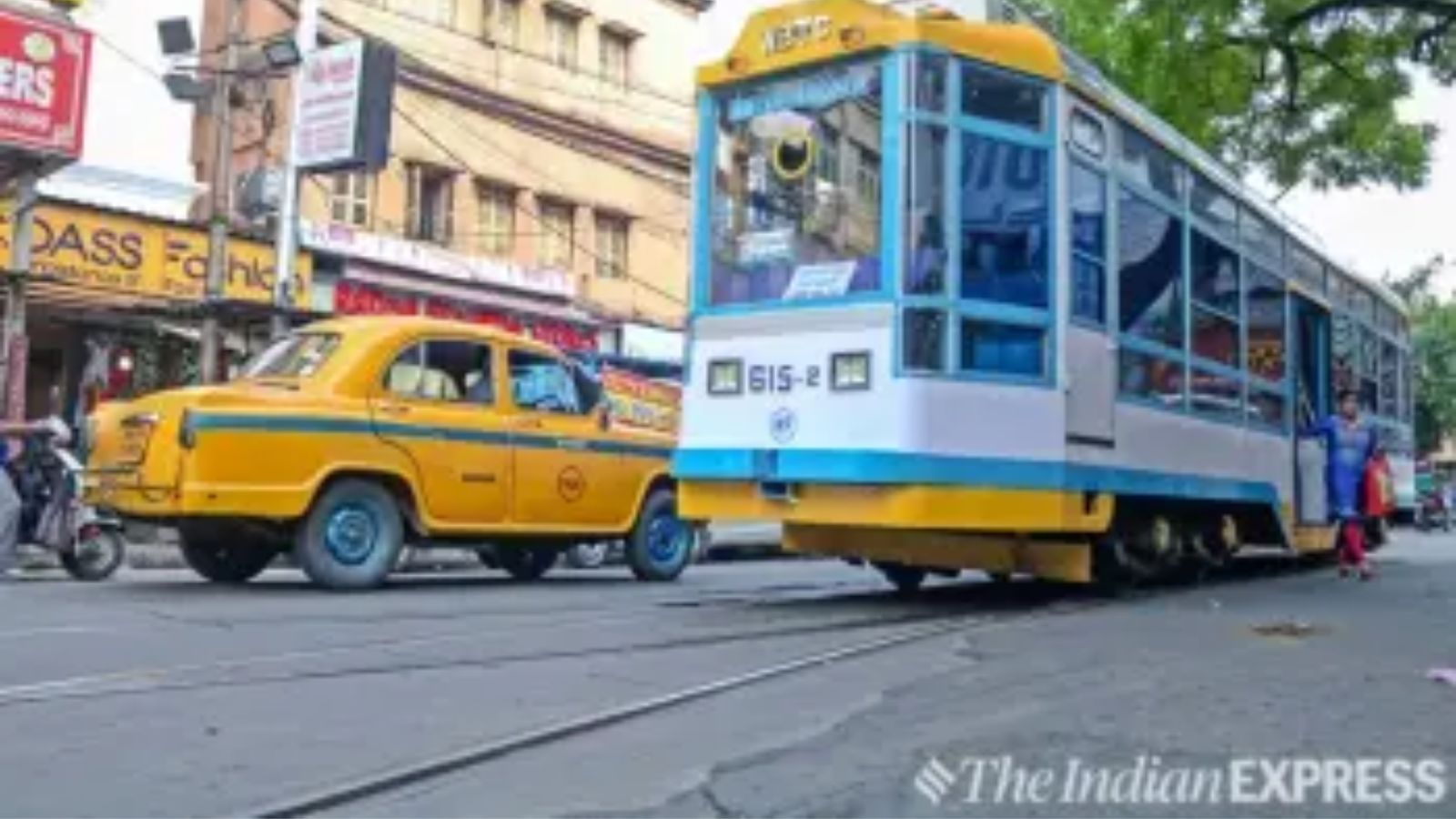
Kolkata’s famous heritage trams, which have been a symbol of the city for over a century, are set to be revived and expanded beyond the city limits. The West Bengal government has announced plans to introduce tram services in new areas, including the suburbs and nearby towns. This move aims to preserve the city’s cultural identity while offering a cleaner and more sustainable mode of public transport. The revival is part of a larger effort to modernize the tram system and make it relevant for future generations.
Main Impact
The decision to revive and expand Kolkata’s tram network marks a major shift in the city’s transport policy. For years, trams were seen as slow and outdated, with many routes being shut down. Now, the government is investing in new tracks, modern coaches, and better infrastructure. The plan is not just to keep the trams running in Kolkata but to introduce them in areas like Salt Lake, Rajarhat, and even parts of Howrah. This could change how people travel in and around the city, offering a greener alternative to buses and cars.
Key Details
What Happened
The West Bengal Transport Department has announced a detailed plan to revive the tram system. The project includes laying new tracks in suburban areas, buying new low-floor trams, and upgrading existing routes. The government has also said it will work with heritage experts to preserve the old trams while introducing modern ones. The first phase of the expansion is expected to start within the next year.
Important Numbers and Facts
Kolkata’s tram network is the oldest in Asia, running since 1873. Currently, only about 30 trams operate on a few routes, down from over 300 in the 1960s. The new plan aims to increase the fleet to 100 trams in the next five years. The government has set aside ₹500 crore for the first phase of the project. New routes will cover around 50 kilometers of track in areas like New Town, Salt Lake, and along the Eastern Metropolitan Bypass.
Background and Context
Trams have been a part of Kolkata’s identity for more than 150 years. They were once the main form of public transport in the city. But over time, they became slower due to traffic and were seen as a problem by many. Several routes were closed, and the tram system shrank. However, in recent years, there has been a growing interest in preserving heritage and promoting eco-friendly transport. Trams run on electricity and produce no direct emissions, making them a clean option. Other cities around the world, like Melbourne and Lisbon, have successfully kept their trams as both a tourist attraction and a working transport system.
Public or Industry Reaction
The announcement has been welcomed by heritage groups and environmental activists. Many people see it as a way to keep Kolkata’s unique character alive. Local residents in areas where new tracks will be laid have mixed feelings. Some worry about traffic disruption during construction, while others are excited about having a new transport option. Transport experts have praised the move but say the success will depend on how well the trams are integrated with other forms of public transport like the metro and buses.
What This Means Going Forward
The revival of trams in Kolkata is not just about nostalgia. It is a practical step toward reducing pollution and traffic congestion. If the expansion works well, it could set an example for other Indian cities to bring back or introduce tram systems. However, challenges remain. The government will need to ensure that the new tracks do not add to road congestion and that the trams run on time. There is also the question of cost, as maintaining a tram network is expensive. But with proper planning, Kolkata’s trams could once again become a key part of the city’s transport system.
Final Take
Kolkata’s decision to revive and expand its tram network is a bold and forward-looking move. It shows that old ideas can be made new again with the right investment and planning. The trams are more than just a way to get around—they are a living piece of history. If the government follows through on its promises, the city could have a modern, clean, and iconic transport system that honors its past while looking to the future.
Frequently Asked Questions
Why are trams being revived in Kolkata?
Trams are being revived to preserve the city’s heritage and provide a cleaner, eco-friendly public transport option. The government wants to reduce pollution and traffic while keeping a historic part of Kolkata alive.
Where will the new tram routes go?
The new routes will cover areas like Salt Lake, Rajarhat, New Town, and parts of Howrah. The government plans to lay around 50 kilometers of new track in the first phase.
Will the old trams be kept or replaced?
Both. The government plans to preserve some of the old heritage trams for tourism and history. At the same time, new modern low-floor trams will be added to make the service more comfortable and efficient.



