
Summary
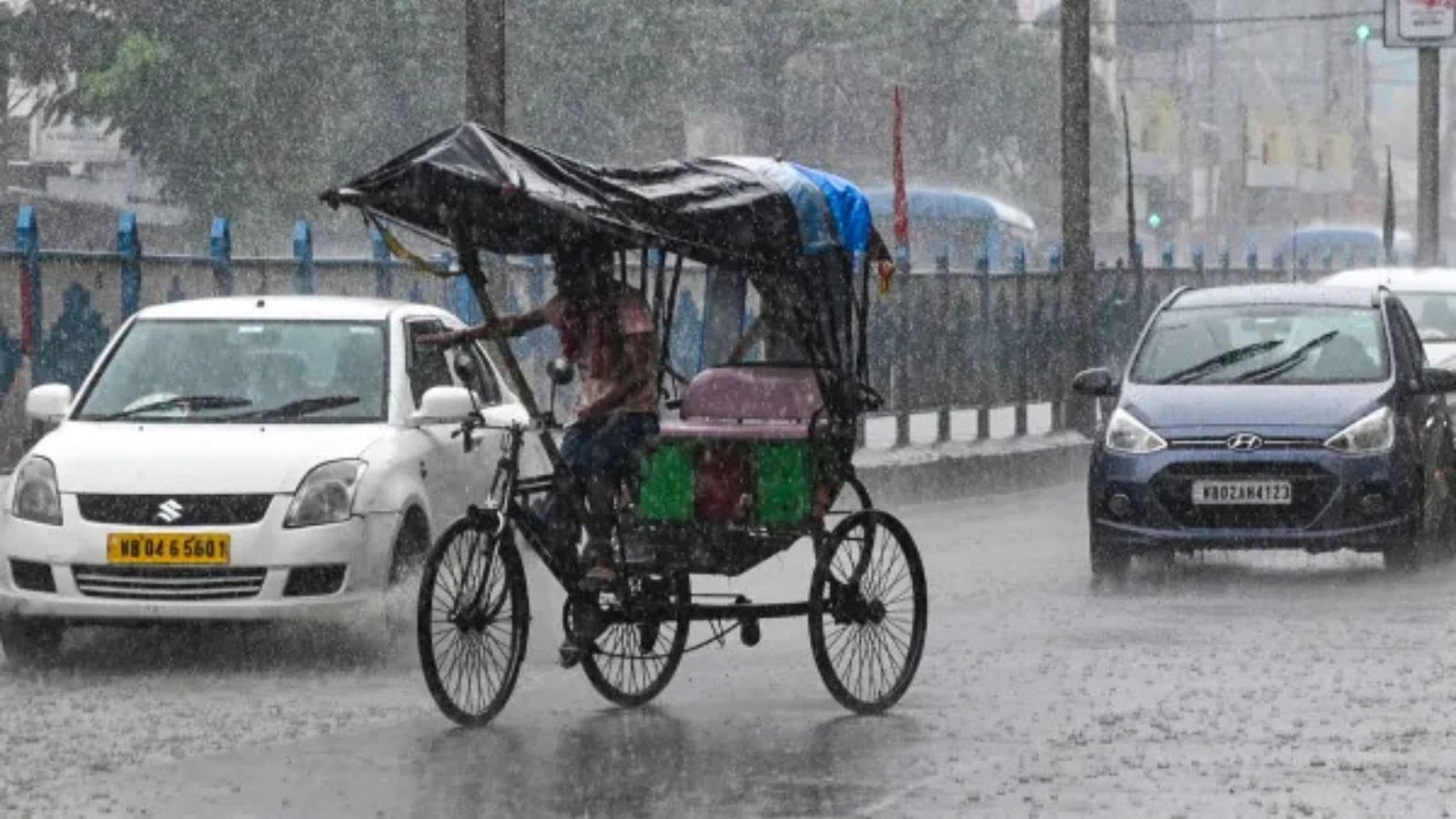
Kolkata and several parts of South Bengal are preparing for a break from the intense summer heat. The regional weather office has predicted that Kalbaishakhi storms, commonly known as Nor'westers, will bring rain and cooler winds to the city until April 9. These seasonal storms are expected to lower the daily temperature and provide relief to residents who have been dealing with high humidity. This change in weather is caused by moisture coming in from the Bay of Bengal meeting the hot air over the land.
Main Impact
The most immediate impact of these storms will be a noticeable drop in the mercury levels across West Bengal. For the past week, Kolkata has seen temperatures rising steadily, making outdoor activities difficult during the day. The arrival of the Kalbaishakhi will bring sudden evening showers and strong winds, which will cool the ground and the air. While this brings comfort, the heavy winds and lightning also carry risks for those traveling or working outdoors during the storm hours.
Key Details
What Happened
The Alipore Meteorological Department issued a fresh update stating that a weather system is forming over the region. This system is a result of a low-pressure trough combined with high moisture levels. As the land heats up during the day, it creates the perfect conditions for these violent but short-lived storms to form in the late afternoon or evening. The weather office has advised people to stay indoors when they see dark clouds forming, as these storms often come with intense lightning and sudden gusts of wind.
Important Numbers and Facts
The forecast remains in effect until April 9, 2026. During this period, wind speeds are expected to range between 40 and 60 kilometers per hour during the peak of the storms. Temperatures, which were hovering around 37 to 39 degrees Celsius, are expected to drop by 3 to 5 degrees following the rainfall. The districts most likely to see the strongest impact include Kolkata, Howrah, Hooghly, and the North and South 24 Parganas. Some areas in North Bengal may also see increased rainfall during this window.
Background and Context
In Bengal, the Kalbaishakhi is a well-known weather event that happens every year during the spring and summer months. The name comes from the month of "Baishakh" in the Bengali calendar. These storms are vital for the local environment because they break the long periods of dry heat that can damage crops and cause health issues for people. Scientifically, these are convective storms. They happen when the hot air near the ground rises quickly and meets cooler air and moisture from the sea. This creates tall, dark clouds that produce heavy rain, hail, and thunder.
Public or Industry Reaction
Residents of Kolkata have expressed a sense of relief on social media, as the early April heat was becoming hard to manage. Many people look forward to the evening breeze that follows a Nor'wester. However, the transport sector is on alert. Local train services and flight operations can sometimes face short delays if the wind speeds become too high or visibility drops. Farmers in the surrounding rural areas have a mixed reaction; while the rain is good for the soil, they worry that strong winds or hail could damage standing crops like mangoes or rice that are nearly ready for harvest.
What This Means Going Forward
After April 9, the weather office suggests that the frequency of these storms might decrease, leading to a return of the dry summer heat. This week-long window is a temporary cooling period. City authorities are using this time to check drainage systems to ensure that sudden heavy rain does not cause waterlogging in low-lying areas. People are encouraged to keep track of live weather updates on their phones, especially before planning evening commutes. It is also a reminder for residents to secure loose items on balconies or rooftops that could be blown away by high winds.
Final Take
The predicted Kalbaishakhi storms offer a much-needed pause from the early summer heat in Kolkata. While the rain will make the city much more comfortable for a few days, it is important to stay safe during the actual storm events. The cooling effect will be a welcome change for everyone, but the return of higher temperatures later in the month remains a likely reality as the peak of summer approaches.
Frequently Asked Questions
What is a Kalbaishakhi storm?
It is a local thunderstorm that occurs in the Gangetic West Bengal region during the summer. It brings heavy rain, lightning, and strong winds, usually in the late afternoon.
How long will the rain last in Kolkata?
According to the current weather forecast, the rain and storm activity are expected to continue periodically until April 9.
Is it safe to travel during these storms?
It is best to avoid traveling during the peak of the storm, as high winds can cause trees to fall and lightning can be dangerous. It is safer to wait until the storm passes, which usually takes about an hour.



