
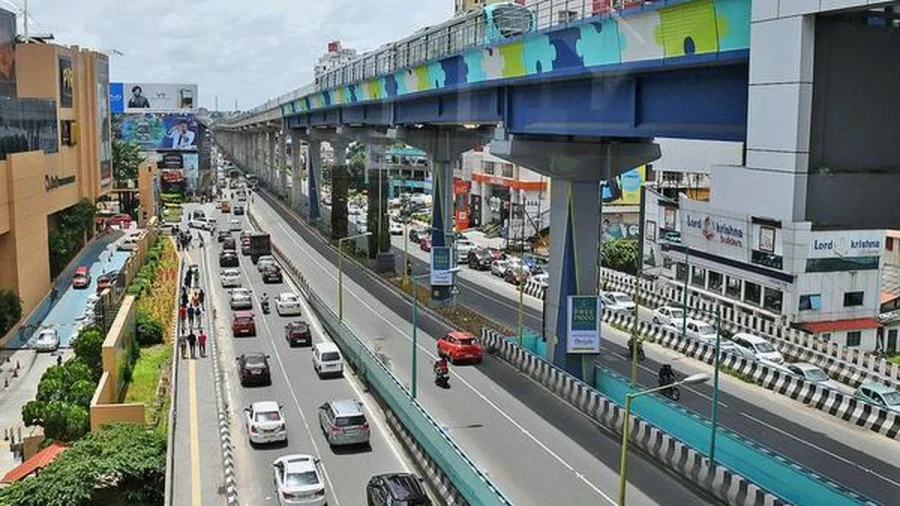
Kochi's skyline, roads and neighbourhoods could look very different in the years ahead — but first, the Kerala government must say yes. The Kochi Corporation has formally written to the state seeking approval for changes to the city master plan, a move that follows public petitions and scrutiny by the special committee.
The letter that could reshape how Kochi grows
According to the original story, the Master Plan Special Committee drove the move. The committee examined petitions from the public before recommending changes to the city's development blueprint.
What exactly has been proposed — which zones, roads or building rules could be altered — has not been disclosed in the available reporting. What is clear is that the civic body has taken the first formal step toward revision.
Why a master plan change touches every Kochi resident
A master plan is not a paperwork exercise. It decides where homes can be built, where commercial activity is allowed, how wide roads must be, and which areas stay green or reserved for public use.
Any change to it affects property values, rent, commute times and the basic character of neighbourhoods. For residents, this letter is not distant bureaucracy — it is about the city they will live in a decade from now.
How the city reached this point
The available reporting indicates that public petitions were the starting point. These petitions moved the special committee to act, eventually leading to the Corporation's communication with the state government.
The exact timeline of the committee's meetings and the nature of the petitions remain unspecified in the original story. What is known is that this has been a committee-led process rather than a sudden administrative decision.
The human impact: who stands to gain, who may worry
Property owners often welcome master plan changes that increase building potential or land value. Residents, on the other hand, may worry about congestion, loss of open spaces and unplanned construction.
The absence of publicly available details means residents cannot yet assess whether the proposed changes favour development or restraint. That uncertainty itself is a concern for neighbourhood groups across the city.
What happens next: awaiting the state's response
The Kerala government now holds the decision. If it approves the proposal, the Corporation would likely move toward formalising the amendments, which may include public notification and an opportunity for objections.
If the state seeks more clarity or rejects the proposal, the process could return to the committee stage. At this point, official word from the government is still awaited.
Confirmed facts vs what remains unclear
Confirmed: The Kochi Corporation has written to the Kerala government. The move follows public petitions. The Master Plan Special Committee is behind the initiative.
Unclear: The specific changes proposed, the number and content of the public petitions, and the Kerala government's stance. These details have not been released in the original reporting and should not be speculated upon.
Balanced view: hope and caution in equal measure
Supporters of master plan revisions argue that city plans grow outdated quickly — new roads, population shifts and economic activity demand periodic updates. A fresh plan, they say, can unblock stalled projects and improve liveability.
Critics warn that frequent changes create uncertainty for residents and developers alike. Without transparent public consultation, they argue, master plan amendments can favour vested interests over the common good.
A wider pattern: Kerala's cities revisiting old blueprints
Kochi's move fits a broader conversation across Kerala's urban centres, where older master plans are being tested against rapid urbanisation, climate risks and changing mobility patterns.
Cities across India have found that rigid plans created years ago struggle to accommodate current realities. Kochi's attempt to revisit its plan is part of that larger, ongoing adjustment.
What residents should watch for next
Residents should monitor official Corporation announcements and the Kerala government's response. Once the proposed changes are made public, citizens typically get a window to file objections.
Ward-level councillors and residents' associations are the most practical channels for raising concerns. Staying informed early matters more than reacting after final approval.
Future outlook: what could happen in the coming months
A favourable response from the state could trigger a formal amendment process, including publication of draft changes and a public feedback stage. A request for clarification could delay the timeline.
Either way, the Corporation has signalled its intent. How the Kerala government responds will determine whether Kochi's master plan moves into a new chapter — or goes back to the drawing board.
Our Take
This story matters because it is about how a city of millions decides its own future. The Corporation's letter is a small administrative step with large consequences for land, housing and daily life in Kochi.
The responsible next move is transparency. Making the proposed changes public early, with clear reasoning and genuine room for public input, will determine whether this revision is seen as progress or imposition.
Frequently Asked Questions
What is Kochi's master plan?
The master plan of Kochi is the city's official development blueprint that governs land use, building regulations, road networks, housing zones and public amenities. It acts as the legal framework for how the city grows and changes over time.
Why has the Kochi Corporation written to the Kerala government?
The Corporation has formally requested state approval for proposed changes to the master plan. The move was initiated by the Master Plan Special Committee after it reviewed petitions filed by the public.
What changes could be made to the Kochi master plan?
The specific changes have not been disclosed in available reporting. The nature of the petitions and the committee's recommendations will become clearer only if and when the state government or the Corporation releases further details.
How can the public participate in master plan revisions?
In normal procedure, once proposed changes are published, the public gets an opportunity to file objections and suggestions. Residents can also raise concerns through ward councillors and residents' associations before final approval.



