
Summary
A 35-year-old woman from Kerala, who worked as an IT professional, has saved several lives through organ donation. After doctors declared her brain dead, her family made the brave decision to donate her vital organs. Six of her organs, including her heart, liver, and kidneys, were successfully removed to be given to patients in urgent need. This selfless act has provided a new lease on life for a 14-year-old girl and several other individuals across the state.
Main Impact
The primary impact of this donation is the immediate survival of multiple patients who were on critical waiting lists. Organ failure is a major health issue, and finding a matching donor is often a long and difficult process. By donating six organs, this one individual has significantly changed the lives of at least six families. The most notable part of this story is the heart transplant, which was performed on a young girl in Malappuram who had been waiting for a chance to live a normal life.
Key Details
What Happened
The donor was a young woman working in the information technology sector in Kerala. Following a medical emergency, she was admitted to the hospital where her condition worsened. Despite the best efforts of the medical team, she was eventually declared brain dead. Brain death occurs when the brain totally stops functioning, even though the heart may still be beating with the help of machines. Once the family was informed, they agreed to donate her organs to help others.
Important Numbers and Facts
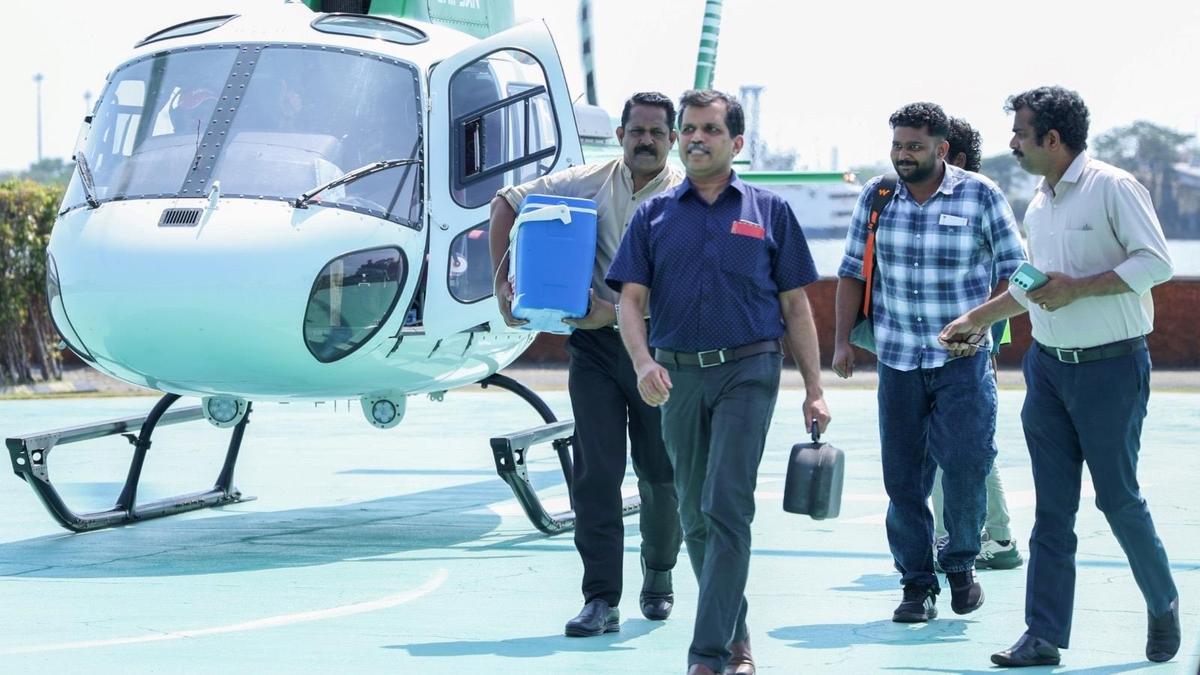
The medical procedure involved a large team of surgeons and nurses. A total of six organs were harvested from the donor. These included the heart, the liver, and both kidneys. In many cases, the corneas are also donated to help people regain their sight. The heart was sent specifically to a 14-year-old girl in Malappuram. Timing is the most important factor in these surgeries, as organs like the heart must be transplanted within a few hours of being removed from the donor.
Background and Context
Organ donation in India is managed through strict legal and medical rules to ensure everything is done fairly. In Kerala, the government has a system called Mrithasanjeevani that helps coordinate these donations. When a person is declared brain dead, the hospital contacts this network to find matching patients on the waiting list. This system ensures that the organs go to the people who need them the most based on how sick they are and how long they have been waiting.
The concept of a "Green Corridor" is often used in these situations. This is a special traffic route cleared by the police so that an ambulance carrying a donated organ can reach the destination hospital as fast as possible without getting stuck in traffic. This speed is necessary because organs can only survive outside the body for a very short time.
Public or Industry Reaction
The local community and medical professionals have expressed deep respect for the woman’s family. Making a decision to donate organs during a time of deep personal loss is seen as an act of great courage. Health officials have noted that stories like this help encourage more people to sign up for organ donation. Many people are still hesitant about donation due to a lack of information, but seeing a young life saved by a heart transplant often changes public opinion for the better.
What This Means Going Forward
This event highlights the ongoing need for more organ donors. While one person can save many lives, there are still thousands of people waiting for transplants. Going forward, there will likely be more efforts to educate the public about the difference between a coma and brain death. When people understand that brain death is permanent, they are often more willing to consider donation. The success of the transplant for the 14-year-old girl will also be monitored closely by doctors to ensure her body accepts the new heart.
Final Take
The story of this 35-year-old IT professional is a powerful reminder of how one person can leave a lasting legacy. While her death is a tragedy for her family and friends, her final contribution has given hope to many others. It shows the strength of the human spirit and the incredible capabilities of modern medicine when a community comes together to support life.
Frequently Asked Questions
What organs can be donated after brain death?
When a person is declared brain dead, they can often donate their heart, lungs, liver, kidneys, pancreas, and intestines. They can also donate tissues like corneas, skin, and bone.
Who received the heart in this specific case?
The heart was donated to a 14-year-old girl living in Malappuram, Kerala, who was suffering from a serious heart condition.
How does the organ donation process work in Kerala?
The process is coordinated by a state-run network that matches donors with patients on an official waiting list. This ensures the process is transparent, legal, and based on medical need.



