
Summary
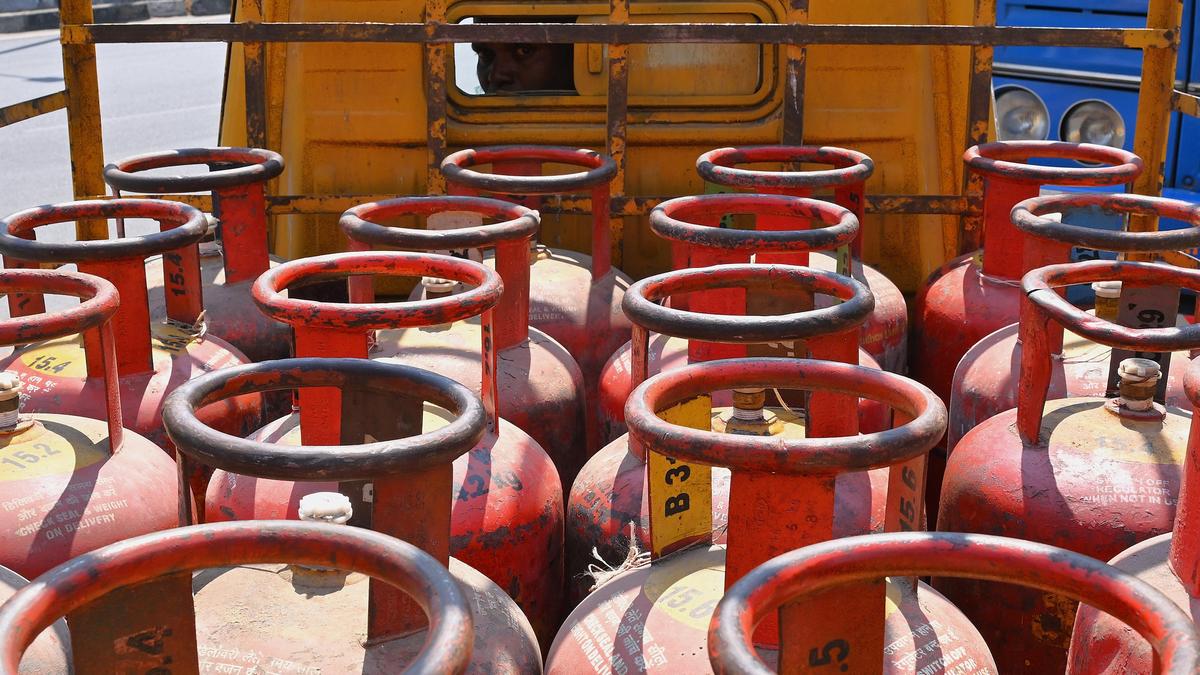
The Kerala government has officially upgraded its Liquefied Petroleum Gas (LPG) monitoring cell into a full-scale, 24/7 statewide war room. This move is designed to oversee the supply and distribution of cooking gas across every district in the state. By running this system around the clock, the government aims to prevent shortages and ensure that every household receives its gas cylinders without unnecessary delays. This initiative marks a significant step in using real-time data to manage essential home supplies.
Main Impact
The primary impact of this expansion is the creation of a more reliable supply chain for millions of consumers. In the past, cooking gas distribution could be hit by sudden delays due to transport issues, strikes, or stock shortages at bottling plants. With a permanent war room in place, the state can now spot these problems the moment they happen. This proactive approach means that if one area faces a shortage, the government can quickly coordinate with oil companies to move supplies from other regions, ensuring that no family is left without fuel for cooking.
Key Details
What Happened
The Kerala Civil Supplies Department has transformed its existing LPG monitoring unit into a high-tech control center that operates every hour of every day. Previously, monitoring was often done during standard working hours or increased only during times of crisis. Now, the system is a permanent fixture. The war room staff will stay in constant contact with oil marketing companies, gas agency owners, and transport contractors. They track the movement of trucks from bottling plants to local distributors and finally to the consumer's doorstep.
Important Numbers and Facts
The system covers all 14 districts of Kerala, focusing on both urban centers and remote hilly areas where delivery is often difficult. By moving to a 24/7 model, the government can monitor the thousands of loads that move across the state during the night. The war room will also keep a close eye on the "backlog" numbers—the number of days a customer has to wait after booking a cylinder. The goal is to keep this waiting period to a minimum, ideally ensuring delivery within 24 to 48 hours of booking.
Background and Context
Cooking gas is a basic necessity for almost every home in Kerala. For years, the distribution system has faced challenges during monsoon seasons or festive periods when demand spikes. Sometimes, artificial shortages are created by hoarding, or logistical blocks happen at the major bottling plants. In the past, the government would only step in when complaints reached a high level. By establishing a "war room," the state is shifting from a reactive style of management to a preventive one. This concept of a war room was successfully used during the pandemic to manage oxygen and medical supplies, and the government is now applying that same logic to household energy.
Public or Industry Reaction
Consumer rights groups have welcomed the move, noting that it brings more transparency to the process. Many residents have expressed relief, as they often worry about gas refills during holidays. On the industry side, gas agencies and oil companies are expected to cooperate closely with the new system. While it puts more pressure on distributors to be efficient, it also helps them by identifying bottlenecks in the supply chain that are outside their control, such as delays at the main storage hubs. Some industry experts suggest that this level of government oversight will reduce the chances of black-marketing and unfair pricing at the local level.
What This Means Going Forward
Looking ahead, this 24/7 monitoring system could serve as a model for other essential goods. If successful, the Kerala government might expand this "war room" strategy to monitor the distribution of food grains or even water during the summer months. For the average citizen, it means a more digital and accountable way of receiving services. The government also plans to use the data collected by this system to predict future demand patterns. This will allow them to tell oil companies exactly how much stock is needed months in advance, further reducing the risk of a total supply failure.
Final Take
The expansion of the LPG war room shows a commitment to using modern management tools for public welfare. By keeping a constant eye on the movement of cooking gas, the state is protecting consumers from the stress of unpredictable shortages. It is a practical solution that focuses on the everyday needs of the people, ensuring that the simple act of cooking a meal remains uninterrupted by logistical failures.
Frequently Asked Questions
What is an LPG war room?
It is a specialized control center where government officials monitor the supply, stock levels, and delivery of cooking gas cylinders to ensure there are no shortages in the state.
Why is it now operating 24/7?
Operating around the clock allows the government to track transport trucks that move at night and respond immediately to any supply chain breaks, regardless of the time.
How does this help the average consumer?
It helps ensure that when you book a gas cylinder, it arrives on time. It also prevents local agencies from claiming they have no stock when supplies are actually available.



