
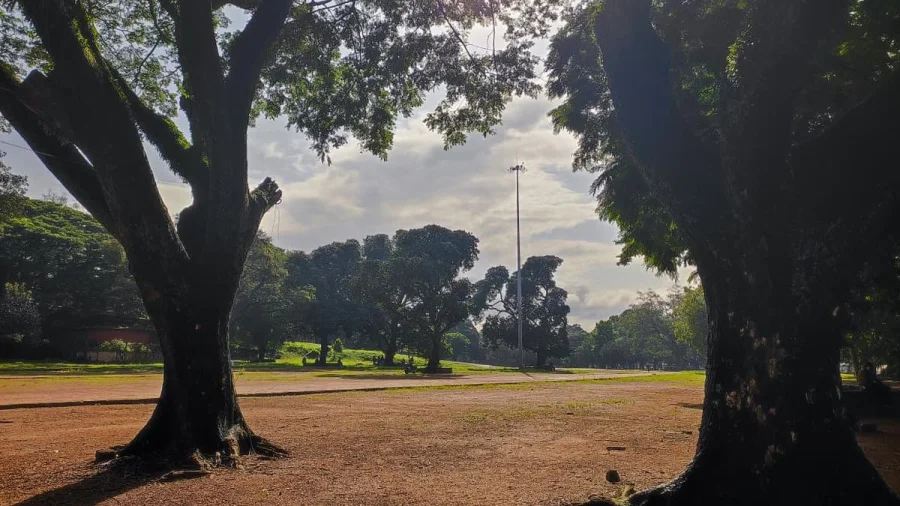
For decades, Thekkinkadu Maidan in Thrissur has been more than just a patch of open ground. It has been Kerala’s living room — a space where political rallies, cultural festivals, and public protests have unfolded, shaping the state’s democratic fabric. Now, a High Court order restricting gatherings there has sparked an unusual coalition of voices, all urging the state to defend this iconic public space.
What the High Court order says about Thekkinkadu Maidan
The Kerala High Court’s recent ruling places restrictions on public gatherings at Thekkinkadu Maidan, citing the need to protect the sanctity of the adjacent Vadakkunnathan Temple, a centuries-old Shiva temple of immense religious significance. The court’s decision has effectively put the maidan’s status as a public forum into question, raising concerns about the balance between religious reverence and democratic rights.
Why this ruling unites Kerala’s political and civil voices
In a state known for its political diversity and frequent disagreements, the response to this order has been strikingly unified. Political parties across the spectrum — from the ruling Left to the opposition Congress and BJP — have joined hands with writers, artists, and civil society groups. They argue that restricting access to Thekkinkadu Maidan sets a dangerous precedent for public spaces across Kerala, where assembly and protest are deeply embedded in the state’s political culture.
The historical significance of Thekkinkadu Maidan as a public space
Thekkinkadu Maidan is not just any ground. It surrounds the Vadakkunnathan Temple and has been a site for the famous Thrissur Pooram festival, political rallies, and public meetings for generations. It is a symbol of Thrissur’s identity — a place where the sacred and the secular have coexisted. The maidan’s role as a democratic forum is as old as the state itself, making the High Court order a matter of cultural and political importance.
Who is affected by the High Court order
The ruling directly impacts political parties that regularly hold rallies here, cultural organizations that host events, and ordinary citizens who see the maidan as their right to assemble. For Thrissur’s residents, the maidan is a daily part of life — a place for morning walks, evening gatherings, and community events. The order threatens to turn this public space into a restricted zone, altering the city’s social fabric.
Official response and calls for Supreme Court appeal
Political leaders, writers, and civil society groups have collectively urged the Kerala government to file an appeal in the Supreme Court. They argue that the High Court order, while respecting the temple’s sanctity, fails to account for the maidan’s historical and democratic importance. The state government’s response is now being closely watched, as it will signal whether Kerala is willing to defend its public spaces at the highest judicial level.
Balancing religious sanctity and democratic assembly
The core of this controversy lies in a delicate balance. The Vadakkunnathan Temple is a protected monument and a revered religious site. The court’s order seeks to ensure its sanctity is not disturbed by large gatherings. However, critics argue that the maidan and the temple have coexisted for centuries without conflict. The challenge is to find a legal and practical framework that respects both the temple’s religious significance and the public’s democratic rights.
Confirmed facts vs what remains unclear
What is confirmed: The Kerala High Court has issued an order restricting public gatherings at Thekkinkadu Maidan. Political parties, writers, and civil society groups have urged the state to appeal in the Supreme Court. What remains unclear: The exact scope of the restrictions, the timeline for any appeal, and whether the state government will comply with the demand for a Supreme Court challenge. Speculation about the ruling’s long-term impact on other public spaces in Kerala is still unverified.
Wider trend: The shrinking of public spaces in India
The Thekkinkadu Maidan case is part of a broader national conversation about the erosion of public spaces in Indian cities. From Delhi’s Ramlila Maidan to Mumbai’s Azad Maidan, courts and authorities have increasingly imposed restrictions on gatherings, citing security, religious sensitivity, or administrative convenience. This trend raises fundamental questions about the future of democratic assembly in India, where public spaces have historically been arenas for political expression and social change.
Practical guidance for Thrissur residents and activists
For those concerned about the future of Thekkinkadu Maidan, the immediate step is to follow the legal process. Support the call for a Supreme Court appeal by engaging with local political representatives and civil society groups. Document the maidan’s historical and cultural significance through photographs, videos, and written accounts. Participate in peaceful, lawful advocacy to ensure the space remains accessible for future generations.
Future outlook: What could happen next
The state government’s decision on a Supreme Court appeal will be the next major milestone. If the appeal is filed, the Supreme Court could either uphold the High Court order, modify it, or set it aside. A prolonged legal battle could keep the maidan’s status uncertain for months or years. Alternatively, the government could negotiate a compromise — allowing limited gatherings with safeguards for the temple’s sanctity. The outcome will set a precedent for similar cases across India.
Our Take
The Thekkinkadu Maidan controversy is not just about one ground in Thrissur. It is about the soul of Kerala’s democratic tradition. The rare unity among political parties and civil society shows that the maidan is more than a physical space — it is a symbol of the people’s right to assemble, speak, and protest. While the temple’s sanctity must be respected, the solution cannot be to shut down public life. A balanced approach, possibly through time-bound permissions or designated zones, could preserve both the sacred and the secular. The state government’s willingness to take this to the Supreme Court will be a test of its commitment to democratic values.
Frequently Asked Questions
What did the Kerala High Court order say about Thekkinkadu Maidan?
The Kerala High Court imposed restrictions on public gatherings at Thekkinkadu Maidan in Thrissur, citing the need to protect the sanctity of the adjacent Vadakkunnathan Temple. The order limits the use of the maidan for political rallies, protests, and large public events.
Why are political parties and civil society opposing the order?
They argue that the order threatens democratic assembly rights and sets a dangerous precedent for public spaces across Kerala. Thekkinkadu Maidan has historically been a site for political and cultural gatherings, and restricting access is seen as an attack on the state’s democratic fabric.
What is the state government’s response so far?
Political parties, writers, and civil society groups have urged the Kerala government to file an appeal in the Supreme Court. The government’s official response is awaited, but the demand reflects widespread concern about the ruling’s implications.
How does this affect the Vadakkunnathan Temple?
The court’s order aims to protect the temple’s sanctity by reducing noise and disturbance from large gatherings. However, the temple and the maidan have coexisted for centuries without major conflict, and many believe a balanced solution is possible without completely restricting public access.



