
Summary
Kerala is currently facing a period of extreme heat, leading the state government to take urgent action. Health Minister Veena George has announced the opening of specialized heatstroke clinics across the state to treat people affected by the rising temperatures. The public is being strongly advised to stay indoors and avoid direct sunlight during the hottest parts of the day. These measures come as weather experts report dangerously high ultraviolet (UV) radiation levels across the region.
Main Impact
The primary impact of this heatwave is a significant shift in how the state manages public health during the summer months. By opening dedicated heatstroke clinics, the government is acknowledging that extreme heat is now a recurring medical emergency. This move ensures that hospitals are better prepared to handle cases of heat exhaustion and sunstroke without overstretching general emergency rooms. For the average person, this means daily routines must change, as outdoor activities during midday are now considered a serious health risk.
Key Details
What Happened
The Kerala Health Department has officially issued a heat alert following a steady rise in daily temperatures. To manage the situation, the government has set up cooling centers and medical units specifically designed to lower body temperatures quickly. Health Minister Veena George emphasized that the risk is not just from the heat itself, but also from high UV levels that can cause skin damage and severe dehydration. Medical staff have been trained to identify the early signs of heat-related illnesses to provide faster care.
Important Numbers and Facts
The most critical time for the public to stay indoors is between 11:00 am and 3:00 pm. During these four hours, the sun is at its strongest, and the risk of heatstroke is at its peak. Weather reports show that UV levels have reached levels that can cause harm within a short period of exposure. The state has instructed all districts to ensure that their primary health centers and taluk hospitals have enough fluids, medicines, and cooling equipment to treat patients immediately.
Background and Context
Kerala is known for its tropical climate, but the intensity of the heat in recent years has become a major concern. Usually, the state experiences high humidity, which makes the heat feel even more intense than the actual temperature suggests. When the body cannot cool itself through sweating, heatstroke occurs. This can lead to serious brain or organ damage if not treated right away. The current alert is part of a broader trend where southern India is seeing longer and more frequent heatwaves, forcing governments to treat heat as a natural disaster similar to floods or storms.
Public or Industry Reaction
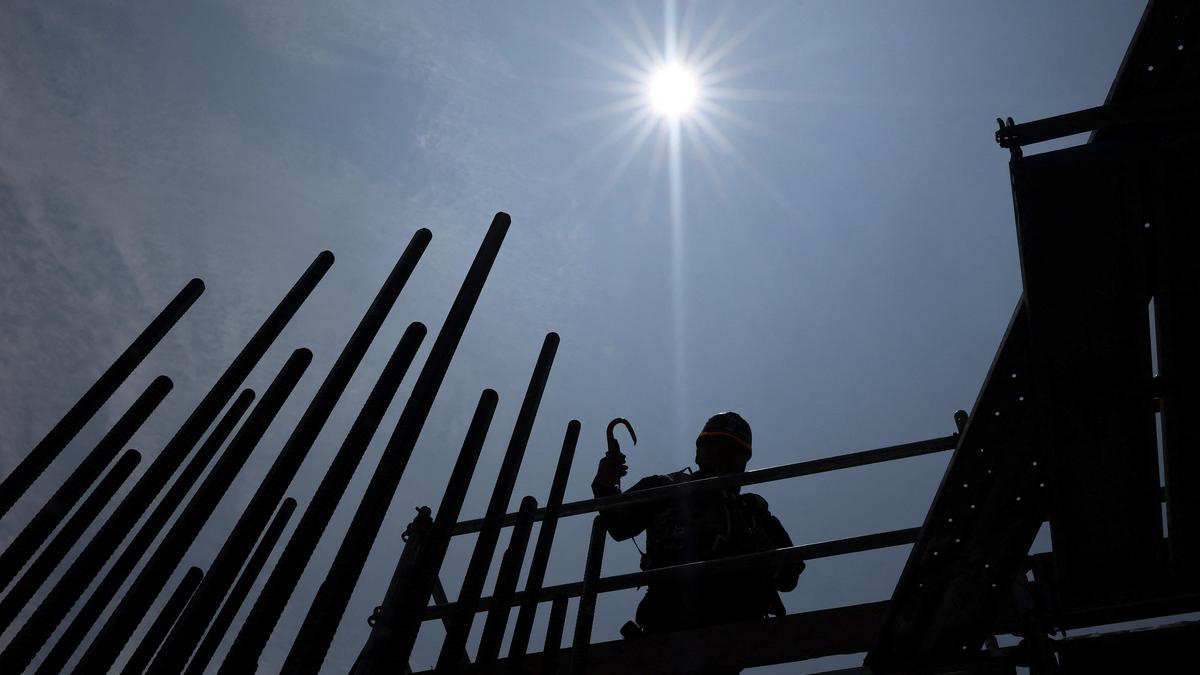
The reaction from the public has been one of caution and concern. Labor unions and worker groups are asking for changes to work schedules, especially for those who work in construction or agriculture. Many people are calling for "heat breaks" to ensure that laborers are not forced to work under the direct sun during the restricted hours. Schools and educational institutions are also being asked to limit outdoor sports and assemblies. On social media, residents are sharing tips on staying hydrated and checking on elderly neighbors who are more vulnerable to the heat.
What This Means Going Forward
Moving forward, Kerala will likely need to integrate heat management into its long-term urban planning. This includes creating more green spaces and ensuring that public buildings have proper ventilation. The opening of heatstroke clinics might become a standard practice every summer. There is also a growing need for better public warning systems that can send alerts directly to mobile phones when UV levels or temperatures cross a safe limit. People will need to become more aware of the symptoms of heat exhaustion, such as heavy sweating, rapid pulse, and dizziness, to seek help before it turns into a life-threatening heatstroke.
Final Take
The current heat situation in Kerala is a clear reminder that weather patterns are changing. While the government is taking the right steps by opening clinics and issuing warnings, personal safety remains the most important factor. Following the advice to stay indoors during peak hours and staying hydrated are simple but effective ways to stay safe. As the state deals with these rising temperatures, cooperation between the health department and the public will be key to preventing any loss of life during this hot season.
Frequently Asked Questions
What are the symptoms of heatstroke?
Common signs include a very high body temperature, red or dry skin, a fast heartbeat, headache, dizziness, and feeling confused or sick. If someone stops sweating despite the heat, it is a major warning sign.
Why is the 11 am to 3 pm window so important?
This is the time when the sun is directly overhead. The heat is most intense, and the ultraviolet (UV) radiation levels are at their highest, which increases the risk of skin burns and heatstroke.
How can I stay safe if I must go outside?
If you cannot stay indoors, try to stay in the shade as much as possible. Wear light-colored, loose cotton clothes and a wide hat. Drink plenty of water even if you do not feel thirsty, and avoid sugary or caffeinated drinks.



