
Summary
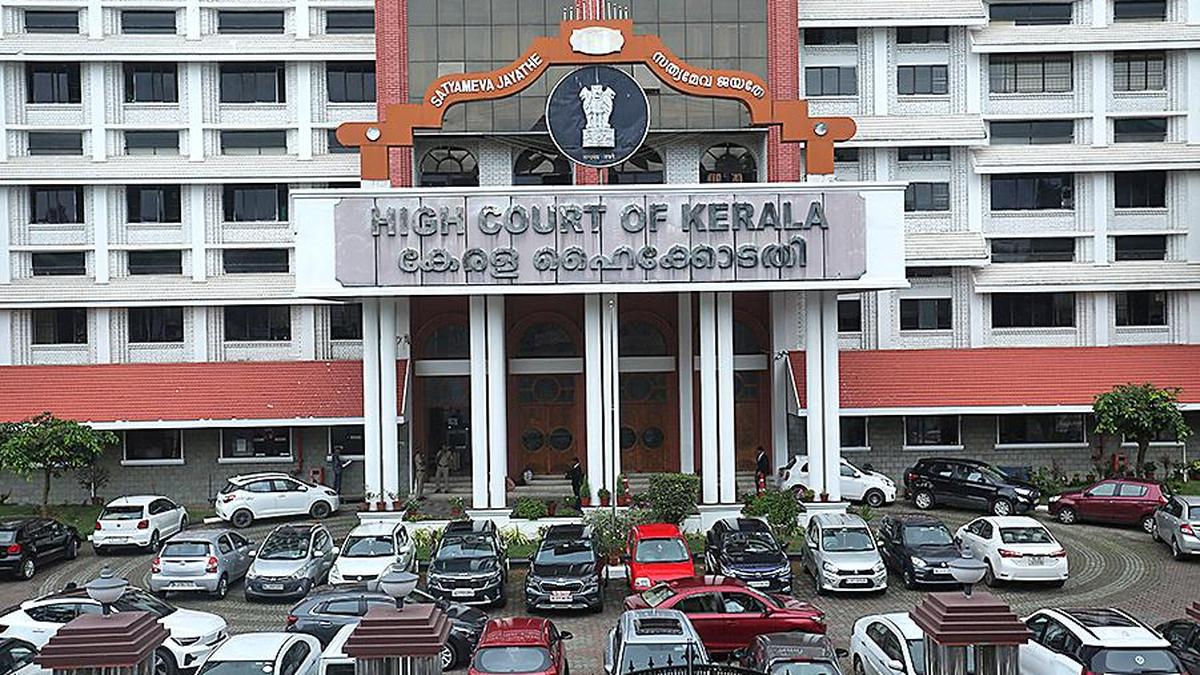
The Kerala High Court has taken a strong stand against corruption by canceling a government order that blocked a major investigation. The case involves a massive scam worth ₹600 crore related to the import of raw cashew nuts. For years, there have been claims of illegal activities within the Kerala Cashew Board. By removing the government’s block, the court has cleared the way for the Central Bureau of Investigation (CBI) to fully look into the matter. This decision is a significant move toward holding high-ranking officials accountable for the loss of public money.
Main Impact
The most immediate effect of this ruling is the removal of a legal wall that was protecting potential wrongdoers. For a long time, the state government had denied permission for the CBI to start its probe. Now that the court has stepped in, the federal agency has the power to examine records and question those involved. Additionally, the court has summoned a top government official, the Principal Secretary of the Industries Department, to appear in person. This shows that the court is serious about why its previous directions were not followed, putting pressure on the state administration to be more transparent.
Key Details
What Happened
The case centers on the Kerala Cashew Board and its dealings over a nine-year period. It is alleged that during the purchase of raw cashew nuts from foreign countries, rules were broken to favor certain sellers. This resulted in a loss of roughly ₹600 crore to the state. While the state government tried to stop a federal probe, the High Court decided that the seriousness of the allegations required an independent investigation by the CBI. The court found that the government's refusal to grant permission was not justified.
Important Numbers and Facts
The timeline of the alleged corruption spans from 2006 to 2015. During these years, the state-run board was responsible for buying large amounts of raw materials to support the local cashew industry. The financial scale of the scam is estimated at ₹600 crore, which is a huge amount of taxpayer money. The legal battle reached a turning point when a contempt plea was filed. A contempt plea is a legal action taken when someone fails to obey a court order. In this case, the court felt the government was intentionally slowing down the justice process.
Background and Context
The cashew industry is a vital part of Kerala’s economy. Thousands of workers, many of whom are women, depend on cashew processing factories for their daily wages. Because Kerala does not grow enough cashews to meet the demand of its factories, the state must import raw nuts from other countries, mostly in Africa. The Kerala Cashew Board was created to manage these imports fairly and ensure the factories stayed open. However, when money meant for these imports is stolen or misused through bribes and inflated prices, it hurts the workers and the state's budget. This scam has been a topic of political debate in Kerala for a long time, with many people calling for a deep look into how the money was spent.
Public or Industry Reaction
The court's decision has been welcomed by those who have been fighting for transparency in state-run businesses. Many workers' unions and local leaders believe that a CBI probe is the only way to find the truth, as they felt a local investigation might be influenced by politics. There is a general feeling of relief that the case is finally moving forward after years of delays. On the other hand, the state government now faces tough questions about why it tried to block the investigation in the first place. Industry experts suggest that cleaning up the Cashew Board is essential to saving the struggling cashew sector in the state.
What This Means Going Forward
In the coming weeks, the CBI is expected to take over all files related to the cashew imports from 2006 to 2015. This could lead to the questioning of former ministers and high-level officers who were in charge during that time. The appearance of the Principal Secretary in court will also be a key moment, as the official will have to explain the government's actions. If the CBI finds enough evidence, we could see formal charges and arrests. This case will likely serve as a warning to other state boards that they cannot avoid independent checks if there are signs of financial wrongdoing.
Final Take
This ruling by the Kerala High Court is a victory for the rule of law. It sends a clear message that the government cannot use its power to shield people from a fair investigation. By allowing the CBI to step in, the court is ensuring that the truth behind the ₹600 crore scam will eventually come out. For the people of Kerala, especially those working in the cashew industry, this is a step toward getting justice for the massive loss of public funds.
Frequently Asked Questions
What is the Kerala cashew scam about?
It is an alleged corruption case involving the import of raw cashew nuts by the Kerala Cashew Board between 2006 and 2015, resulting in a loss of ₹600 crore.
Why did the High Court cancel the government order?
The court found that the government was wrongly blocking a CBI investigation into the scam. The court believes an independent probe is necessary to find the truth.
Who has been summoned to court?
The Principal Secretary of the Industries Department has been ordered to appear in person because of a contempt plea regarding the delay in starting the investigation.



