
Summary
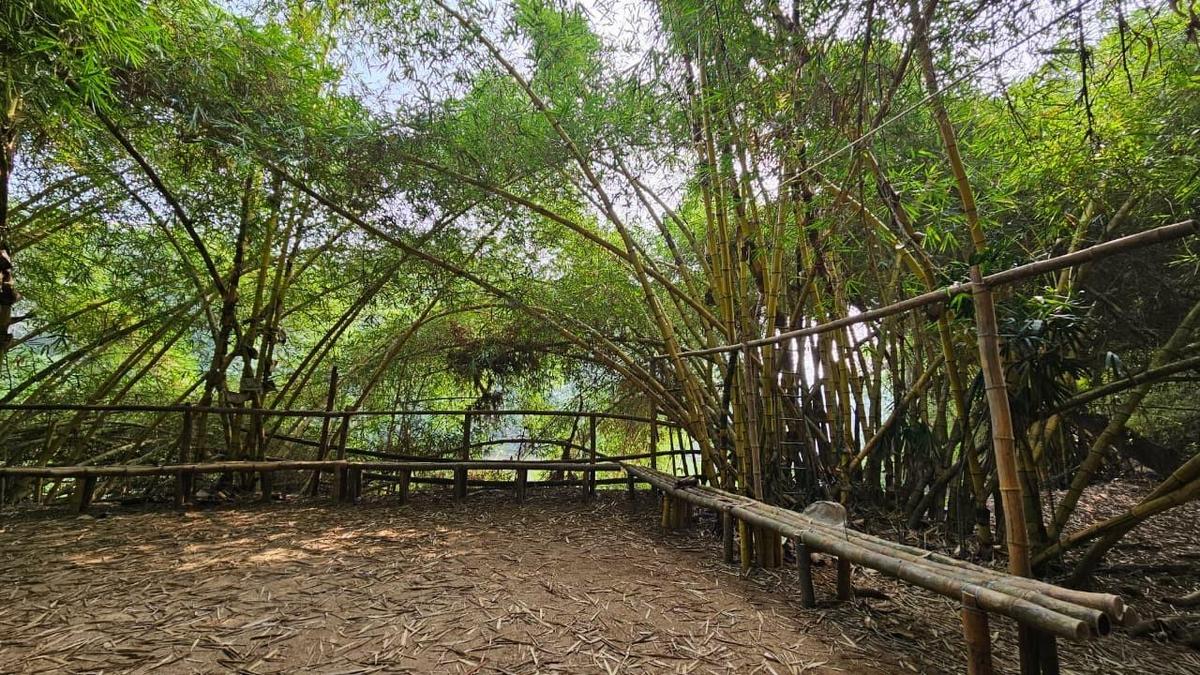
Damodaran Mukkam, a resident of Kozhikode in Kerala, has successfully created a large bamboo forest on the banks of the Iruvazhanji river. A former professional gardener, Damodaran used his knowledge of plants to transform a bare stretch of land into a thick green space. His work helps protect the riverbank from washing away during heavy rains and provides a home for many types of wildlife. This project shows how one person can take action to protect the environment and help their local community.
Main Impact
The most important result of Damodaran’s work is the protection of the riverbank. In Kerala, heavy rains often cause rivers to overflow, which leads to soil erosion. When soil washes away, it can destroy nearby land and homes. The bamboo forest acts as a natural wall. The roots of the bamboo plants are very strong and grow deep into the ground, holding the soil together. This prevents the river from eating away at the land. Additionally, the forest has lowered the temperature in the local area, making it feel cooler and more pleasant for everyone living nearby.
Key Details
What Happened
Damodaran Mukkam started this project several years ago because he was worried about the health of the Iruvazhanji river. He noticed that the banks were becoming weak and that the water was slowly taking over the land. Using his own money and time, he began planting bamboo saplings along the edge of the water. He chose bamboo because it grows very fast and does not need a lot of special care once it starts growing. Over time, these small plants grew into tall, thick poles that now form a dense canopy over the riverbank.
Important Numbers and Facts
The forest now covers a long stretch of the riverbank in the Mukkam area. Damodaran has planted hundreds of individual bamboo stalks. He focused on specific types of bamboo that are known for having very thick root systems. Unlike some other trees that can take decades to grow, the bamboo reached a significant height in just a few years. This quick growth was vital for stopping the erosion before the next big monsoon season arrived. The area has now become a spot where birds, squirrels, and various insects thrive, increasing the local biodiversity.
Background and Context
The state of Kerala is known for its many rivers and heavy rainfall. However, in recent years, climate change has made the rains more unpredictable and violent. Flooding has become a major problem for people living near the water. Traditional walls made of stone or concrete are expensive to build and can sometimes break under the pressure of the water. Using plants like bamboo is a natural and cheap way to solve this problem. Damodaran’s background as a gardener gave him the skills to know which plants would survive in the wet soil near the river. He understood that nature often has the best solutions for environmental problems.
Public or Industry Reaction
The local community in Mukkam has reacted very positively to the bamboo forest. Many people now see Damodaran as a local hero for his selfless work. Environmental groups have also taken notice, pointing to his forest as a perfect example of how to manage riverbanks without using heavy machinery or expensive construction. Visitors often come to the site to enjoy the shade and the quiet atmosphere. His work has inspired other people in the region to think about how they can plant trees or bamboo on their own land to help the environment.
What This Means Going Forward
The success of this bamboo forest could lead to similar projects across India. As more cities and villages face the risks of flooding and heatwaves, natural solutions like this are becoming more popular. Governments and local councils may look at Damodaran’s model to protect other rivers. The next step for this project is to ensure the forest is maintained and protected from being cut down. It also serves as an educational tool for schools, showing students that they do not need a lot of money to make a positive change in the world.
Final Take
Damodaran Mukkam has proven that passion and hard work can change the face of the earth. By planting a simple bamboo forest, he has saved a riverbank and created a cool, green space for future generations. His story is a reminder that protecting nature starts with a single person deciding to plant a tree. It is a practical and beautiful answer to the growing problems of soil loss and rising temperatures.
Frequently Asked Questions
Why did Damodaran choose bamboo instead of other trees?
Bamboo was chosen because its roots grow in a dense mat that is excellent at holding soil together. It also grows much faster than most hardwood trees, providing protection in a shorter amount of time.
Does the bamboo forest require a lot of maintenance?
Once bamboo is established, it is very hardy and mostly takes care of itself. Damodaran monitored the plants in the beginning, but now the forest grows naturally with very little help needed.
Can this method be used on any riverbank?
Yes, planting bamboo is a common way to stop erosion in many parts of the world. However, it is important to choose the right type of bamboo for the local climate and soil to ensure it does not become an invasive problem.



