
Summary
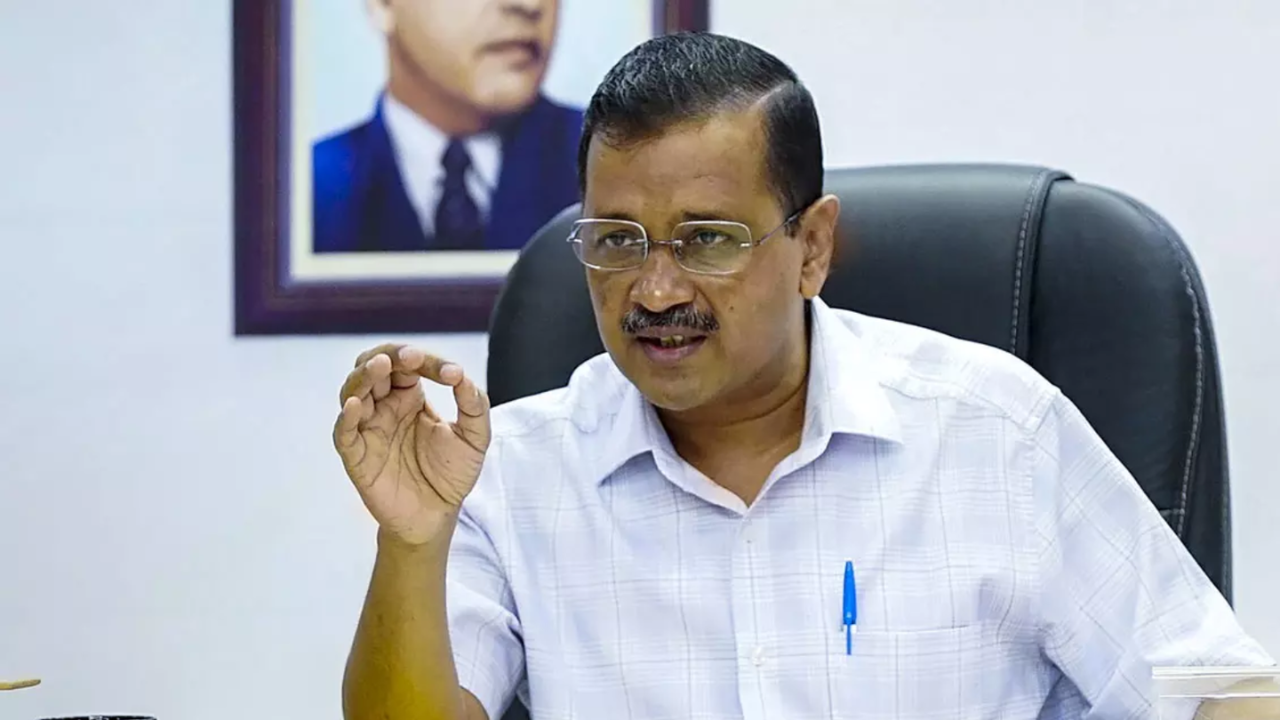
Arvind Kejriwal, the leader of the Aam Aadmi Party (AAP), has publicly challenged Prime Minister Narendra Modi over the frequent raids conducted on his party members. Kejriwal is demanding that the central government release specific details regarding how much "black money" or illegal wealth has been found during these investigations. He claims that despite hundreds of searches by federal agencies, no evidence of corruption has been presented to the public. This move marks a significant escalation in the ongoing political battle between the Delhi state government and the central administration.
Main Impact
The primary impact of this development is the growing heat in the political relationship between the AAP and the Bharatiya Janata Party (BJP). By asking for a public accounting of recovered funds, Kejriwal is trying to shift the narrative from "corruption investigations" to "political harassment." This strategy aims to gain public sympathy and portray the central agencies as tools used for political gain. For the average citizen, this back-and-forth creates a sense of uncertainty about the true nature of the legal cases involving top Delhi officials.
Key Details
What Happened
The tension broke out following a series of raids by the Enforcement Directorate (ED) and the Central Bureau of Investigation (CBI) targeting several high-ranking AAP leaders. Arvind Kejriwal held a press conference where he directly addressed the Prime Minister. He pointed out that while the government often talks about fighting corruption, it has failed to show any actual cash or assets seized from his colleagues. He argued that if the raids were truly about finding stolen money, the government should be able to tell the nation exactly how much has been recovered so far.
Important Numbers and Facts
According to AAP leaders, central agencies have conducted over 500 raids in connection with various cases, including the controversial Delhi liquor policy. Kejriwal noted that despite these hundreds of searches and the involvement of many officers, the agencies have not reported finding large sums of hidden cash. He mentioned that even after months of custody for some leaders, the "trail of money" that the agencies talk about remains invisible to the public. The AAP claims that these actions are costing the taxpayers a lot of money without producing any results.
Background and Context
To understand this situation, one must look at the Delhi excise policy case. A few years ago, the Delhi government changed how liquor was sold in the city to increase revenue and stop the "liquor mafia." However, the central government and the Lieutenant Governor of Delhi alleged that the policy was designed to give unfair advantages to certain private business owners in exchange for bribes. This led to a massive investigation. Several top leaders, including former Deputy Chief Minister Manish Sisodia and MP Sanjay Singh, were arrested. The AAP has consistently denied these charges, calling them a "fake case" created to stop their work in education and healthcare.
Public or Industry Reaction
The reaction to Kejriwal’s demand has been split along party lines. Supporters of the AAP believe that the raids are a way to distract the public from other national issues. They see Kejriwal as a brave leader standing up to a powerful central government. On the other side, BJP spokespersons have dismissed Kejriwal's comments. They argue that the law is simply taking its course and that the courts, not the Prime Minister, decide on the validity of the raids. Legal experts have noted that while the agencies do not always show their evidence to the public immediately, they are required to present it in court during the trial process.
What This Means Going Forward
Looking ahead, this conflict is likely to get even more intense as elections approach. Kejriwal’s demand for transparency puts pressure on the central agencies to justify their long-running investigations. If the agencies cannot show significant findings soon, the public might start to believe the AAP's claims of unfair treatment. However, if the agencies do find and present evidence of financial wrongdoing, it could be a major blow to the AAP’s reputation. The legal battles in the courts will be the final place where these questions are answered, but the political battle will continue to play out in the media and on the streets.
Final Take
The demand for a report on recovered black money is a clever political move that forces the government to defend its actions. While the legal process is slow and complicated, the public wants clear answers. Whether these raids are about genuine justice or political strategy remains the biggest question in Indian politics today. Transparency from the investigative agencies would go a long way in clearing the air and ensuring that the fight against corruption is seen as fair and unbiased.
Frequently Asked Questions
Why is Arvind Kejriwal asking about black money?
He wants the government to prove that the raids on his party members are actually finding illegal wealth, rather than just being used to scare or distract his political team.
What is the main case against the AAP leaders?
Most of the raids are related to the Delhi liquor policy, where the central government alleges that bribes were taken to give licenses to certain companies.
What happens if no money is found during these raids?
If no evidence or money is found, it becomes harder for the government to justify keeping leaders in jail, and it strengthens the AAP's argument that the cases are politically motivated.



