
Summary
The Archaeological Survey of India (ASI) has officially given the green light for new archaeological digs across Tamil Nadu. This permission allows the state’s archaeology department to start work at Keeladi and seven other important historical locations. The decision was made on March 13, 2026, following a detailed review by a panel of experts. These excavations are expected to reveal more secrets about ancient life and the early history of the region.
Main Impact
This approval is a major step for historical research in South India. By allowing work to continue at Keeladi and start at other sites, the government is helping to piece together a clearer picture of the Sangam Era. These digs often find old tools, pottery, and buildings that show how people lived thousands of years ago. The findings could provide more proof of a highly developed urban society that existed along the riverbanks in ancient times.
Key Details
What Happened
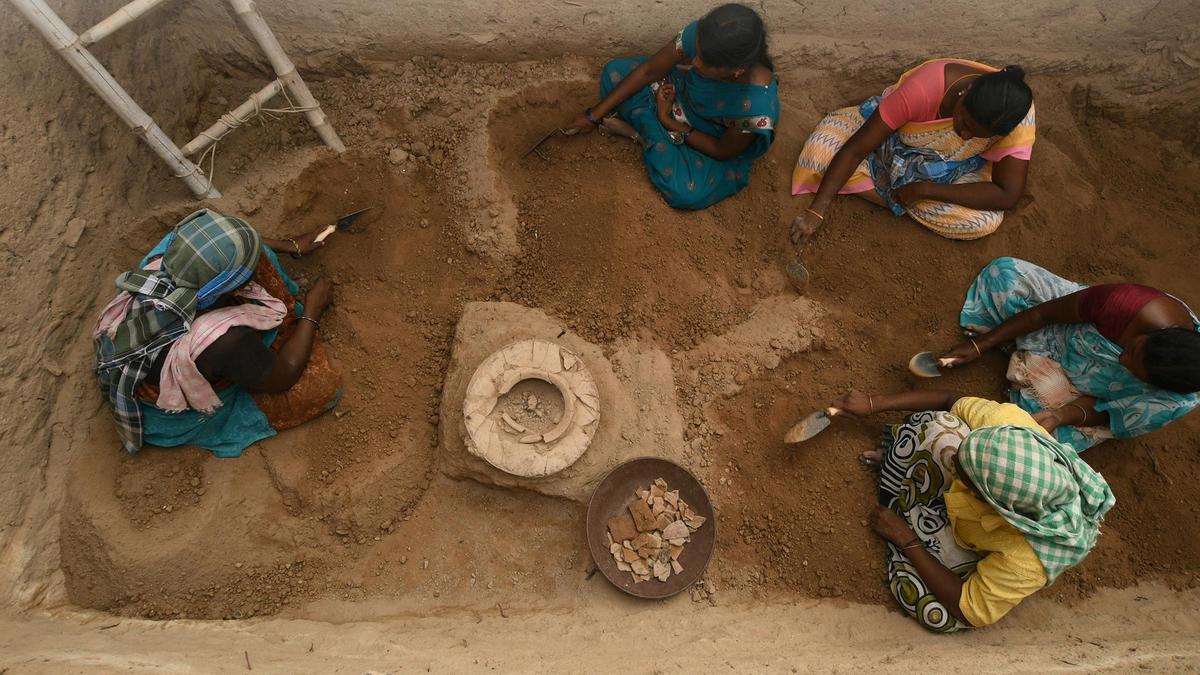
The Tamil Nadu State Department of Archaeology sent a proposal to the central government asking for permission to dig at several spots. After looking at the plans, an expert committee from the ASI recommended that the work should go ahead. On March 13, the formal approval was granted. This means teams of researchers and workers can now move to these sites to begin the careful process of uncovering items buried deep underground.
Important Numbers and Facts
A total of eight sites have been approved for this round of digging. The most famous among them is Keeladi, which has already seen several stages of work over the past few years. The approval comes at a vital time, as it allows the teams to prepare before the weather changes. Each site was chosen because previous surveys showed they might hold valuable historical items. The experts on the committee checked the scientific methods the state planned to use before saying yes.
Background and Context
Archaeology is the study of human history through the things people left behind. In Tamil Nadu, this work has become very popular because of the discoveries in Keeladi. A few years ago, researchers found evidence of a busy city that existed over 2,500 years ago. They found brick walls, drainage systems, and jewelry. This was important because it showed that the people living there were very advanced for their time.
The ASI is the main group in India that looks after old buildings and controls where people can dig for history. Because these sites are national treasures, the state government must get permission from the central government before starting any big project. This ensures that the history is handled carefully and that everything found is recorded properly.
Public or Industry Reaction
Historians and teachers have welcomed the news with great interest. Many believe that the new sites will hold even more clues about how ancient trade worked. People in Tamil Nadu are also very proud of these discoveries, as they show the long and rich history of their ancestors. There is a lot of support for building more museums to show the public what is found during these digs. Local communities near the sites are also hopeful that the work will bring more visitors and attention to their areas.
What This Means Going Forward
Now that the permission is granted, the state department will start setting up camps at the eight sites. They will use special tools to dig slowly so they do not break any fragile items like clay pots or glass beads. The work will likely take several months. Once items are found, they will be cleaned and studied in labs to find out exactly how old they are. This data will then be shared with the world through official reports. If the findings are as big as previous ones, it could lead to even more sites being opened in the future.
Final Take
The decision to allow these excavations ensures that the search for knowledge about the past does not stop. By looking into the earth at Keeladi and the other seven sites, researchers are helping everyone understand the roots of modern society. This project is not just about finding old objects; it is about telling the story of the people who lived, worked, and built communities in this region long ago.
Frequently Asked Questions
What is Keeladi famous for?
Keeladi is a famous historical site in Tamil Nadu where researchers found an ancient urban civilization. It proved that people lived in well-planned cities in South India much earlier than many people thought.
Who gave the permission for the new digs?
The Archaeological Survey of India (ASI) gave the permission. They are the central authority that manages and protects India's historical sites and monuments.
How many sites will be excavated this time?
The government has given permission to dig at eight different sites across the state, including the well-known site at Keeladi.



