
Summary
Kashmir is experiencing a sudden return of winter weather as fresh snow falls in the mountains and steady rain hits the valleys. This change has caused temperatures to drop sharply across the region, making the air much colder than usual for the middle of March. The weather shift is caused by a new weather system moving through the area, which is currently affecting travel, farming, and daily life for local residents.
Main Impact
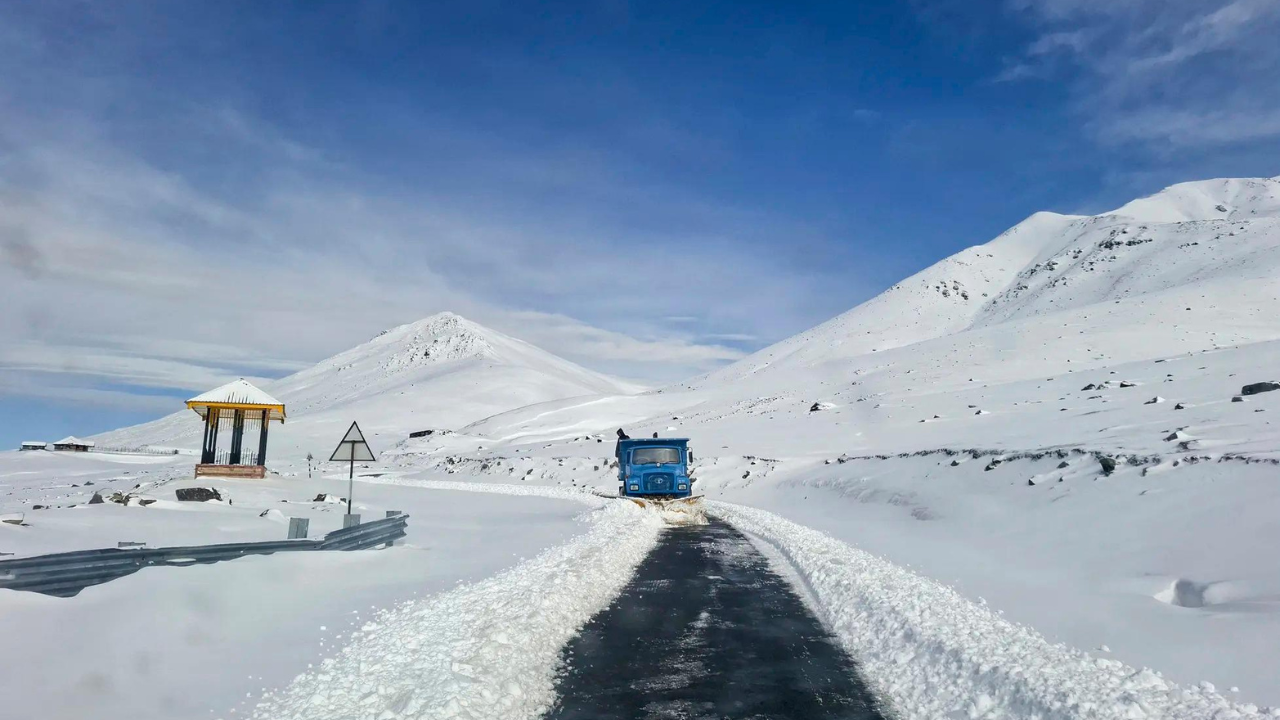
The most immediate effect of this weather is the significant drop in daily temperatures. After a few weeks of milder spring weather, residents have had to bring out their heavy coats and heating tools once again. In the higher mountain areas, the snow is thick enough to make roads slippery and difficult to navigate. In the lower valley areas, persistent rain has made the ground muddy and the air very damp. This cooling effect is felt most in Srinagar, where the recent warmth has been replaced by cold winds and grey skies.
The return of the cold has also increased the demand for heating. As the chill sets in, more people are using electricity and wood to keep their homes warm. In rural areas, many people have returned to using the traditional Kangri, a small pot filled with hot coals, to stay warm. The rain has also slowed down local trade, as many outdoor market vendors have had to close their stalls to stay dry and protect their goods.
Key Details
What Happened
A weather system known as a Western Disturbance has moved over Jammu and Kashmir. This type of system brings moisture from the Mediterranean Sea, which turns into snow or rain when it hits the cold air of the Himalayas. Starting early this week, heavy clouds covered the sky and the weather changed rapidly. Famous tourist spots like Gulmarg and Sonamarg received several inches of fresh snow, turning the green hills white again. Meanwhile, the city of Srinagar and nearby towns saw heavy rainfall throughout the day.
Important Numbers and Facts
The temperature in many parts of Kashmir has fallen by nearly 10 degrees Celsius compared to last week. In high-altitude areas, temperatures have dipped below the freezing point during the night. The Jammu-Srinagar National Highway, which is the main road connecting the valley to the rest of the country, has faced several temporary closures due to the risk of landslides caused by the rain. Local weather experts say that this wet spell might continue for another 48 to 72 hours before the clouds begin to clear.
Background and Context
Weather patterns in Kashmir are very important for the economy of the entire region. The snow that falls in the mountains during these months acts as a natural water storage system. When this snow melts in the summer, it fills the rivers that farmers use to grow their crops. However, when snow or heavy rain comes this late in the season, it can be a problem for fruit growers. Kashmir is famous for its apples and cherries. If the trees have already started to grow flowers, a sudden cold snap or heavy snow can damage the blossoms and reduce the amount of fruit the farmers can harvest later in the year.
Public or Industry Reaction
People living in the region have had mixed reactions to the return of the cold. For those working in the tourism industry, the snow is often seen as a positive development. It keeps the ski resorts active for a longer time and draws in visitors who want to see the snow. However, for local residents, the rain and cold make daily chores much harder. Shopkeepers in the main towns say that fewer people are coming out to shop because of the wet conditions. Farmers are particularly worried and are watching their orchards closely to see if the frost will hurt their young crops.
What This Means Going Forward
Over the next few days, travelers are advised to be very careful. The roads in the mountains can be very dangerous, and there is a constant risk of rocks falling from the hills when it rains heavily. The local government has asked people to check the road status with traffic police before starting any long journeys. Once this weather system passes, the temperatures are expected to rise slowly. This might be the last major cold spell before the true spring weather takes over the valley for the rest of the season.
Final Take
This return of winter weather is a reminder of how quickly conditions can change in a mountain region. While the cold and rain bring some short-term problems for travel and farming, the moisture is vital for the environment. The fresh snow on the mountain peaks ensures that the rivers will keep flowing through the hot summer months ahead, providing water for everyone in the valley.
Frequently Asked Questions
Why is it snowing in Kashmir in March?
It is snowing because a weather system called a Western Disturbance is moving through the region. This system brings moisture and cold air, which creates snow in high areas and rain in the valleys.
Is it safe to travel on the Jammu-Srinagar highway right now?
Travel can be risky during heavy rain because of landslides and slippery roads. It is important to check the latest official traffic updates before you decide to travel on this route.
Will this cold weather last for a long time?
Weather experts believe this specific spell will last for a few days. After the current weather system moves away, the sun is expected to come out and temperatures will start to rise again.



