
Summary
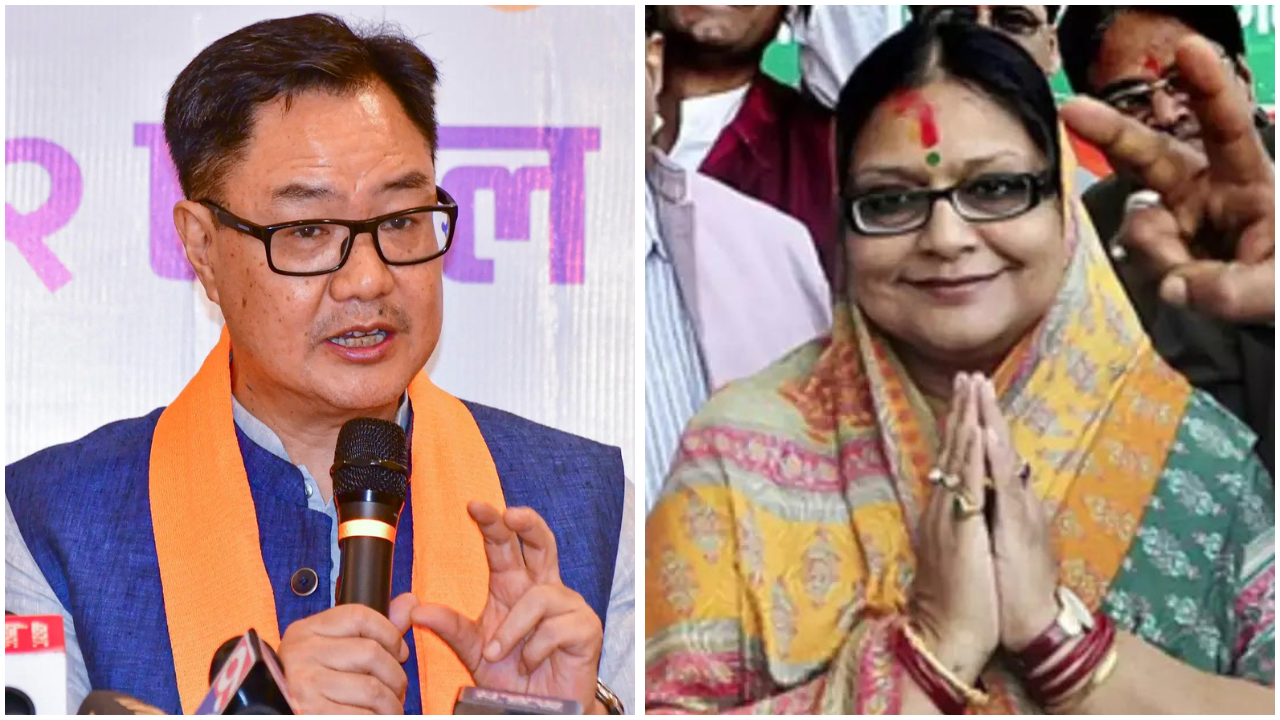
The Indian government has officially recognized Kakoli Ghosh as the chief whip of the Nationalist Congress Party (NCPI) in the Lok Sabha. This move comes as Parliamentary Affairs Minister Kiren Rijiju invited the rebel faction of the Trinamool Congress (TMC) to an all-party meeting. The decision marks a significant shift in parliamentary dynamics and highlights ongoing political realignments ahead of key legislative sessions.
Main Impact
The recognition of Kakoli Ghosh as NCPI chief whip gives her party more authority in floor management and parliamentary proceedings. It also signals the government's acknowledgment of the NCPI's role in the current political landscape. At the same time, the invitation to the rebel TMC bloc suggests the government is trying to build broader consensus on important bills and discussions. This could affect how opposition parties coordinate their strategies in the coming days.
Key Details
What Happened
Kakoli Ghosh, a leader from the Nationalist Congress Party (NCPI), has been officially named the chief whip of her party in the Lok Sabha. The appointment was confirmed by the Lok Sabha Secretariat. Meanwhile, Minister Kiren Rijiju extended an invitation to the rebel faction of the Trinamool Congress (TMC) to attend an all-party meeting. This meeting is expected to discuss legislative business and other parliamentary matters.
Important Numbers and Facts
The NCPI is a smaller party in the Lok Sabha, but its recognition as a separate entity with a chief whip gives it more influence in voting and debates. The rebel TMC bloc consists of members who left the main TMC party. The all-party meeting is scheduled to take place ahead of the upcoming Parliament session. The exact date of the meeting has not been announced yet.
Background and Context
Political parties in India often have internal splits and factions. When a faction breaks away, the government and the Lok Sabha Speaker decide which group to recognize as the official party. This recognition affects how many seats the group gets in committees and who can act as the party's whip. The NCPI was formed after a split in the original Nationalist Congress Party. Similarly, the rebel TMC bloc emerged after disagreements within the Trinamool Congress. These developments are part of the normal political process in India's multi-party system.
Public or Industry Reaction
Political analysts say the government's move to recognize Kakoli Ghosh as chief whip strengthens the NCPI's position. Some opposition leaders have criticized the decision, saying it favors smaller parties that support the government. The rebel TMC bloc has welcomed the invitation to the all-party meeting, calling it a step toward dialogue. The main TMC party has not commented officially on the invitation to its rebel members.
What This Means Going Forward
The recognition of Kakoli Ghosh as NCPI chief whip could lead to more cooperation between the NCPI and the ruling coalition. It may also encourage other smaller parties to seek similar recognition. The invitation to the rebel TMC bloc might reduce tensions within the TMC and could lead to more discussions between the government and opposition groups. However, it could also deepen divisions within the TMC if the rebel faction gains more legitimacy. Overall, these moves show the government is working to manage parliamentary numbers and build support for its legislative agenda.
Final Take
The recognition of Kakoli Ghosh as NCPI chief whip and the invitation to the rebel TMC bloc are clear signs of the government's strategy to consolidate support in Parliament. These decisions reflect the ongoing political realignments that often happen before major sessions. How these changes affect the balance of power in the Lok Sabha will become clearer once the Parliament session begins.
Frequently Asked Questions
What is a chief whip in Parliament?
A chief whip is a senior member of a political party in Parliament. Their job is to make sure party members are present for voting and follow the party's instructions on important matters. The chief whip also helps manage the party's schedule and strategy in the House.
Why did the government invite the rebel TMC bloc?
The government invited the rebel TMC bloc to an all-party meeting to include all groups in discussions about legislative business. This move is seen as an effort to build broader consensus and reduce opposition to government bills. It also gives the rebel faction more visibility and recognition.
What does this mean for the Trinamool Congress party?
The invitation to the rebel TMC bloc could create more internal tension within the main TMC party. It may also encourage more members to leave the main party if they feel the rebel faction is gaining influence. However, it could also push the main TMC to negotiate with the government to keep its members united.



