
Summary
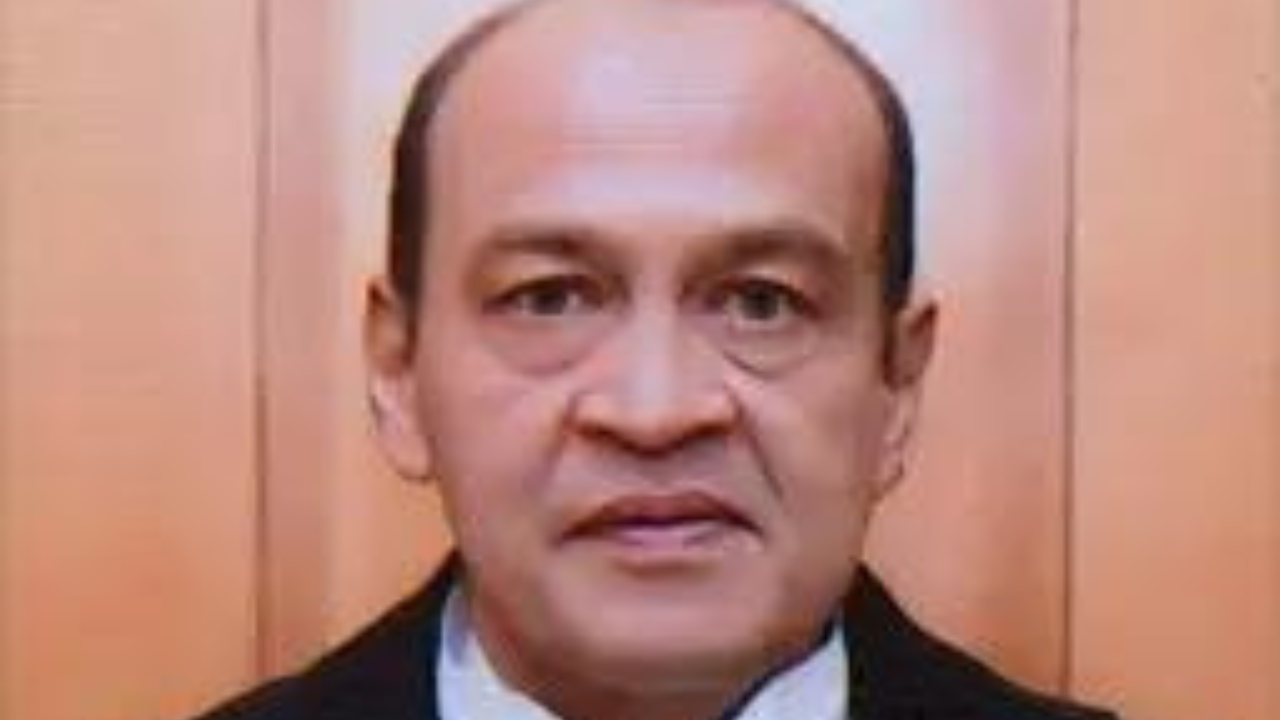
Justice Yashwant Varma has officially resigned from his position as a judge. This decision comes while he was facing a serious legal process known as impeachment, which is used to remove high-ranking officials from office. The trouble began when a large amount of cash was discovered at his home after a fire broke out. This discovery led to an investigation by the Supreme Court and a move by Parliament to take action against him.
Main Impact
The resignation of a high court judge under these circumstances is a major event for the legal system. It shows that the rules for holding powerful officials accountable are being put to use. When a judge is linked to unexplained money, it can make the public lose trust in the courts. By stepping down now, the judge has ended his career while the government was still deciding his future. This case highlights the importance of honesty and transparency for those who sit on the bench.
Key Details
What Happened
The situation started with an unexpected accident. A fire occurred at the residence of Justice Yashwant Varma. While authorities were dealing with the fire and checking the property, they found a significant amount of cash that had not been reported or explained. Because judges are expected to follow strict financial rules, this discovery caused immediate concern. The Supreme Court of India set up an inquiry to look into where the money came from and if any laws were broken.
Important Numbers and Facts
The investigation moved from a simple inquiry to a formal parliamentary process. In India, removing a judge is very difficult and requires a special vote in Parliament. This is called impeachment. Justice Varma did not wait for the final vote to happen. Instead, he chose to submit his resignation. Before leaving, he had argued that the way the investigation was handled was not right. He claimed that the inquiry process went against the rules set out in the Constitution.
Background and Context
To understand why this is such a big deal, it helps to know how the court system works. Judges in the High Court and Supreme Court have a lot of power. To make sure they stay independent, the law makes it very hard for the government to fire them. They can usually only be removed if they are found guilty of "misbehavior" or if they are unable to do their job.
The process involves a committee of other judges and legal experts who look at the evidence. If they find that the judge did something wrong, the matter goes to the leaders of the country in Parliament. Because this process is so long and public, most judges who face impeachment choose to resign before the final decision is made. This stops the public trial in Parliament but does not always end the legal questions about their actions.
Public or Industry Reaction
The legal community has had mixed reactions to this news. Many lawyers believe that the resignation was the only way to protect the image of the court. They feel that having a judge face a public trial for hidden cash would hurt the reputation of all judges. On the other hand, some people feel that a resignation allows a person to avoid a full public accounting of what they did. There is a strong feeling among the public that anyone in a high position should be able to explain their wealth clearly.
What This Means Going Forward
Now that Justice Varma has resigned, the impeachment process in Parliament will likely stop. This is because he is no longer a sitting judge, so there is no office to remove him from. However, this does not mean he is completely free from trouble. Other government agencies, such as those that handle taxes and financial crimes, may still look into the cash that was found.
This case might also lead to calls for better ways to check the finances of judges. Some experts suggest that there should be more regular checks to make sure everything is being done correctly. The goal is to make sure that the people who judge others are following the law themselves. In the coming months, we may see more discussions about how to make the judiciary more open and accountable to the people.
Final Take
The exit of Justice Yashwant Varma is a reminder that no position of power is permanent. When the integrity of a judge is questioned, the entire legal system feels the pressure. While the resignation ends his time on the court, the questions raised by the cash discovery remain a serious matter for the law to solve. Keeping the courts clean and honest is the only way to ensure that justice is served fairly for everyone.
Frequently Asked Questions
What is judicial impeachment?
It is a formal process used by Parliament to remove a judge from office for doing something wrong or for being unable to perform their duties. It is a very rare and serious step.
Why did the judge resign before the process ended?
Usually, a judge resigns to avoid the public shame of a trial in Parliament and to end the official removal process. Once a judge resigns, they are no longer in office, so the impeachment usually stops.
Can a judge still face trial after resigning?
Yes. While impeachment only removes them from their job, they can still face regular criminal or civil court cases if they are suspected of breaking specific laws, such as tax laws or bribery rules.



