
Summary
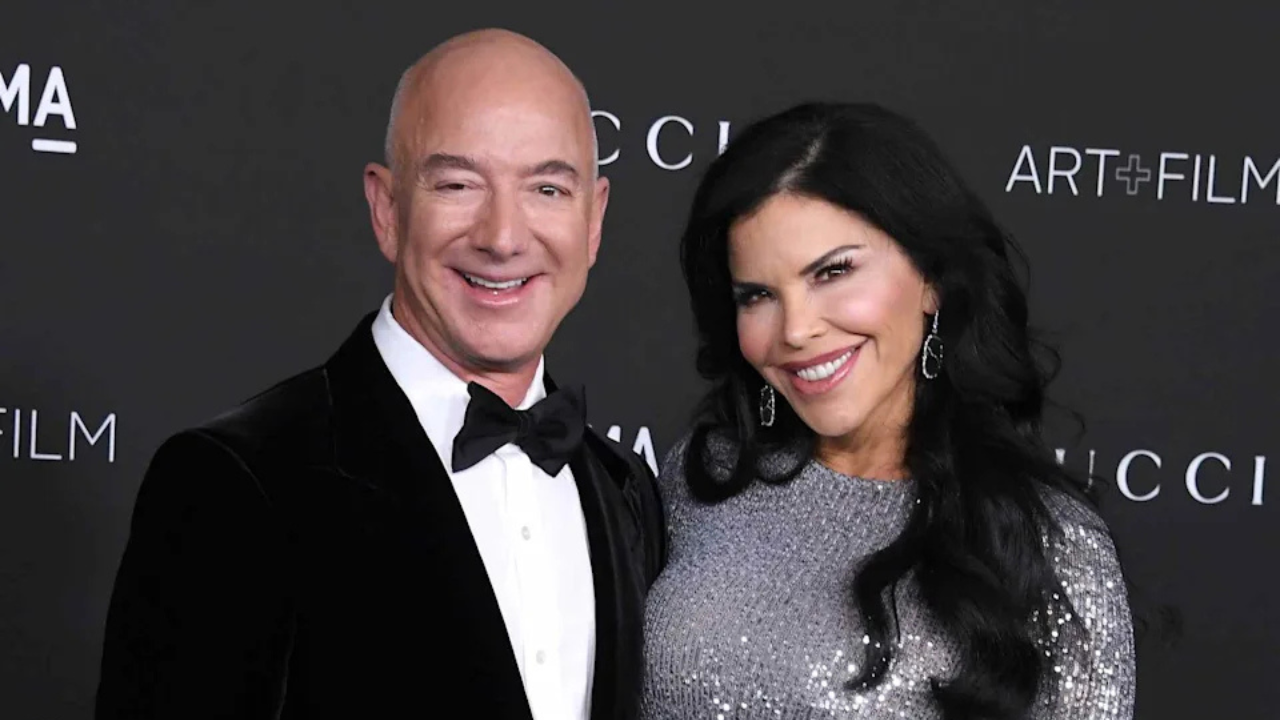
Jeff Bezos and Lauren Sanchez have announced a $34 million donation to help create new types of clothing materials that do not use plastic. This money is being given through the Bezos Earth Fund to support scientists and companies working on sustainable fabrics. The goal is to reduce the massive amount of plastic pollution caused by the global fashion industry. While this is a large investment, experts say that changing how the world makes clothes will still be a very difficult task.
Main Impact
The primary goal of this $34 million gift is to change the way the fashion industry operates. Currently, more than half of all clothes made globally contain plastic, such as polyester, nylon, and acrylic. These materials are cheap to produce but are very harmful to the environment. By funding the development of plastic-free alternatives, Bezos and Sanchez hope to lower the carbon footprint of the clothing world and stop millions of tons of plastic from ending up in the ocean.
Key Details
What Happened
The Bezos Earth Fund is putting millions of dollars into research for "next-generation" textiles. Textiles are simply the fabrics and materials used to make everything from t-shirts to high-end coats. The fund will support organizations that are looking for ways to make these materials out of natural sources like plants, minerals, or even lab-grown cells. This move is part of a larger plan by the fund to address the biggest causes of climate change.
Important Numbers and Facts
The $34 million donation is a specific part of Jeff Bezos’s larger $10 billion commitment to environmental causes. To understand why this matters, it is helpful to look at the data. The fashion industry is responsible for about 10% of all global carbon emissions. Furthermore, every time someone washes a synthetic shirt, thousands of tiny plastic bits called microplastics wash away into the water system. This donation aims to find materials that do not shed these harmful particles.
Background and Context
For many years, fashion has relied on oil-based products. Polyester is essentially a type of plastic made from petroleum. It is popular because it is stretchy, strong, and very inexpensive. However, because it is plastic, it does not break down naturally. When clothes are thrown away, they sit in landfills for hundreds of years. Even while we wear them, they contribute to pollution.
The Bezos Earth Fund was created to find modern solutions to these old problems. By focusing on fashion, the fund is targeting a sector that many people use every day but rarely think of as a source of pollution. Sustainable fashion has existed for a while, but it is often too expensive for the average person. This new funding is meant to help make green fabrics cheaper and easier to produce on a large scale.
Public or Industry Reaction
The reaction to this news has been a mix of praise and caution. Many environmental groups are happy to see such a large amount of money going toward material science. They believe that without big investments, we will never find a real replacement for polyester. Innovation in this field is slow and expensive, so private donations are often necessary to get projects started.
On the other hand, some critics point to the irony of the situation. Jeff Bezos built his wealth through Amazon, a company that delivers millions of packages every day and has a massive environmental impact. Some activists argue that while donating $34 million is good, it is more important for large companies like Amazon to reduce their own waste and carbon output. There is also concern about "greenwashing," which is when a person or company tries to look environmentally friendly without making deep, systemic changes to their business.
What This Means Going Forward
The next step for this project is the research and development phase. Scientists will use the money to test new fibers in labs to see if they are strong enough for everyday wear. The biggest challenge will be "scaling up." This means taking a successful experiment from a small lab and figuring out how to make enough of it to supply global clothing brands. If these new materials can be made at a low cost, we might see major clothing labels switching away from plastic-based fabrics within the next decade.
Final Take
This $34 million investment is a clear sign that the fashion industry is under pressure to change. While plastic-free fabrics are still in the early stages of development, having the financial backing of one of the world's wealthiest individuals could speed up the process. However, technology alone will not solve the problem. For the fashion industry to truly become sustainable, both companies and consumers will need to rethink how clothes are made, sold, and used.
Frequently Asked Questions
Why is plastic used in clothes?
Plastic materials like polyester are used because they are cheap, durable, and do not wrinkle easily. They help clothes keep their shape and last a long time, but they are bad for the environment because they do not biodegrade.
What are microplastics?
Microplastics are tiny pieces of plastic, often smaller than a grain of sand. When we wash clothes made of synthetic fabrics, these tiny fibers break off and enter our rivers and oceans, where they can harm fish and other wildlife.
Will these new fabrics make clothes more expensive?
Initially, new technology is often more expensive. However, the goal of the $34 million donation is to help researchers find ways to produce these sustainable materials more efficiently, which should eventually make them affordable for everyone.

