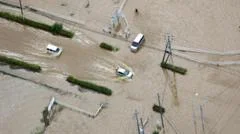
Four people are dead, more than 20,000 homes have lost power, and roughly 7,000 travellers are stuck at Tokyo's Narita airport. The trigger: rainfall so intense that officials and media have described it as "unprecedented" — a word rarely used lightly in a country that has learnt to live with seasonal downpours.
What the "unprecedented" rains have already broken
The storm's immediate toll is clear from the first reports. Four people have died. Electricity supplies to over 20,000 households were cut off as the downpour lashed parts of the country.
At Narita airport, one of Japan's main international gateways, around 7,000 people found themselves stranded — many unable to reach flights or ground transport as weather conditions shut down normal operations.
Why this storm cuts deeper than a usual downpour
Japan's infrastructure is built to absorb typhoons and seasonal rain. Delays, cancellations and even regional flooding are handled every year without severe disruption.
The use of the word "unprecedented" changes that picture. It suggests rainfall beyond what historical weather data — and existing flood defences — were designed for. That is why a single storm could simultaneously overwhelm the power grid and paralyse a major international airport.
Who is bearing the brunt of the disruption
The human cost is layered. Four families have lost loved ones. Thousands of households are sitting in darkness. And 7,000 travellers — including likely foreign visitors, transit passengers and returning residents — are stuck inside a terminal, uncertain when they can move.
For stranded travellers, the practical problems are immediate: missed connections, limited information, crowded waiting areas. For residents, the bigger worry is how long the power outage will last and whether the rain will return.
What remains unconfirmed at this stage
This report is based only on the headline confirmation and the specific details provided in the original story. No official casualty figures, government statements, or full damage assessments have yet been independently verified.
What is confirmed: four deaths, over 20,000 households without power, and roughly 7,000 people stranded at Narita. What remains unclear: where exactly the deaths occurred, the identity of the victims, how long the airport disruption will last, and whether evacuation orders have been issued.
How travellers and residents can respond
Travellers booked through Narita should check real-time flight status through official airline and airport channels rather than relying on social media speculation. Anyone with flexible tickets should ask about rebooking waivers — airlines typically offer these during severe weather events but do not always publicise them widely.
Residents in affected areas should conserve phone battery, keep emergency supplies handy, and follow only official weather and utility updates. Power restoration timelines in extreme flood events are often longer than initially estimated.
When will Japan recover and what could change
Full recovery — restoring power, reopening transport links, and clearing flood damage — typically takes days rather than hours after events described as unprecedented. The affected regions will first need the rain to stop, then an assessment of the damage, and only then a realistic restoration timeline.
The bigger question is whether this storm becomes a new reference point. Each time weather is described as "unprecedented", it quietly rewrites the baseline for what Japan's infrastructure must withstand. The next flood will be compared to this one, not the ones before it.
Our Take
The number "four dead" is the headline, but "unprecedented" is the real story. Japan is among the world's most weather-resilient nations, and when its systems are overwhelmed, it signals pressure on infrastructure that most other countries could not handle.
The 7,000 stranded at Narita are the visible face of a larger disruption — the 20,000 homes without power are the quieter part. As more details emerge, the focus will rightly move from the number of casualties to what this storm says about the reliability of systems built for a climate that no longer exists.
Frequently Asked Questions
How many people died in the Japan rains?
At least four people have died as a result of the "unprecedented" rainfall, according to the confirmed details of the original report.
Is Narita airport still operating after the storm?
Around 7,000 people have been stranded at Tokyo's Narita airport. Flight disruptions are ongoing, and no clear restoration timeline had been confirmed at the time of this report.
How many homes lost power due to the Japan rains?
More than 20,000 households are reported to have lost electricity as the storm hit the affected regions.
What does "unprecedented" rain mean in the Japan context?
It indicates rainfall beyond what historical weather records and local infrastructure were designed to handle, making severe flooding and mass disruption more likely despite Japan's strong disaster preparedness.