
Summary
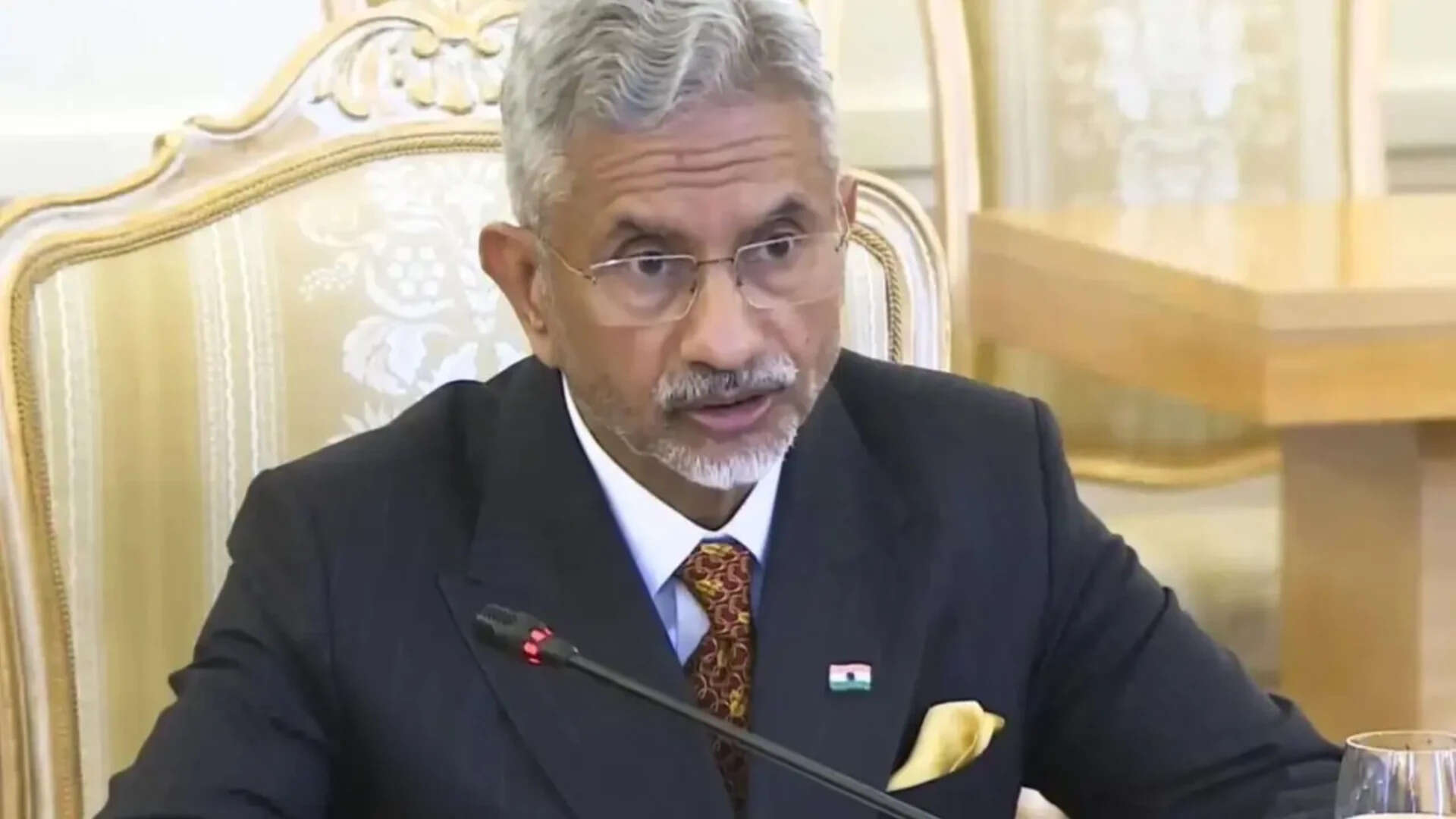
India’s External Affairs Minister, S. Jaishankar, has taken a firm stand against the increasing number of attacks on merchant ships. He described these incidents as completely unacceptable and a major threat to international trade. These attacks, occurring in vital sea routes, have forced India to increase its naval presence to protect commercial interests. The government is working closely with global partners to ensure that the oceans remain safe for the movement of goods and people.
Main Impact
The primary impact of these maritime attacks is the disruption of global supply chains. When cargo ships are targeted, it creates a sense of fear among shipping companies, leading many to change their routes. This change often results in longer travel times and much higher fuel costs. For a country like India, which relies heavily on sea routes for energy and trade, these disruptions can lead to higher prices for everyday goods. Furthermore, the instability in these waters forces the Indian Navy to spend more resources on patrolling and rescue missions.
Key Details
What Happened
In recent months, several commercial vessels have been targeted by drones and missiles in the Red Sea and the Gulf of Aden. These ships carry everything from oil and gas to food and electronics. Minister Jaishankar pointed out that such actions do not just hurt one country but affect the entire world economy. India has responded by sending several warships to the region to act as a deterrent and to provide immediate help to ships in distress. The Minister emphasized that the safety of the seas is a shared responsibility that requires a collective global effort.
Important Numbers and Facts
The Red Sea is one of the busiest shipping lanes in the world, with thousands of ships passing through it every year. It is estimated that about 12% of global trade moves through this area. Since the attacks began, insurance rates for ships traveling through these zones have gone up significantly. India has deployed at least ten warships in the North and Central Arabian Sea to monitor the situation. These vessels are equipped with advanced technology to detect and stop potential threats before they reach their targets.
Background and Context
The safety of merchant shipping is vital because most of the world's trade happens over water. The Red Sea connects the Indian Ocean to the Mediterranean Sea through the Suez Canal. If this path is blocked or becomes too dangerous, ships have to go all the way around the southern tip of Africa. This adds thousands of miles to the journey and weeks to the delivery time. India has a long coastline and a large merchant fleet, making it very sensitive to any trouble at sea. By speaking out, India is signaling that it will not stay quiet while its economic interests are put at risk.
Public or Industry Reaction
The shipping industry has welcomed India’s proactive approach. Trade groups have expressed relief that the Indian Navy is providing a visible presence in dangerous waters. International leaders have also held discussions with Indian officials to coordinate security efforts. While some countries have formed specific task forces, India has maintained its own independent operations while sharing information with friendly nations. There is a general consensus among experts that without strong military protection, the cost of shipping could become too high for many businesses to handle.
What This Means Going Forward
Looking ahead, the situation remains tense. India is likely to keep its naval ships stationed in the Arabian Sea for the foreseeable future. There will also be more diplomatic talks with countries in the Middle East to find a long-term solution to the violence. The goal is to create a secure environment where ships can pass without the fear of being hit by missiles or drones. If the attacks continue, we might see even more military cooperation between major trading nations. For consumers, this means that the price of imported goods will depend heavily on how quickly peace can be restored to these sea lanes.
Final Take
The safety of the seas is not just a military issue; it is an economic necessity. Minister Jaishankar’s strong words reflect India’s growing role as a guardian of trade in the Indian Ocean region. By taking a clear stand against these attacks, India is protecting its own growth and helping to stabilize the global market. Ensuring that merchant ships can travel freely is essential for a world that relies on the constant flow of trade.
Frequently Asked Questions
Why are merchant ships being attacked?
Ships are being targeted due to regional conflicts and political tensions. Groups use these attacks to put pressure on the international community and disrupt the economies of their opponents.
How is India protecting its ships?
India has deployed several naval warships, including destroyers and frigates, to patrol the Arabian Sea. These ships provide security and are ready to respond to any emergency calls from merchant vessels.
Will these attacks make goods more expensive?
Yes, if ships have to take longer routes or pay higher insurance fees, the extra costs are often passed on to the customers. This can lead to an increase in the price of fuel, food, and other imported items.



