Summary
India’s External Affairs Minister, S. Jaishankar, recently held three separate discussions with the Iranian Foreign Minister. The primary goal of these talks was to ensure the safety of Indian ships and protect the country’s energy interests. As tensions rise in the Middle East, India is working hard to make sure its oil supplies remain steady and its sailors stay safe. These high-level meetings show how important the region is for India's economic stability.
Main Impact
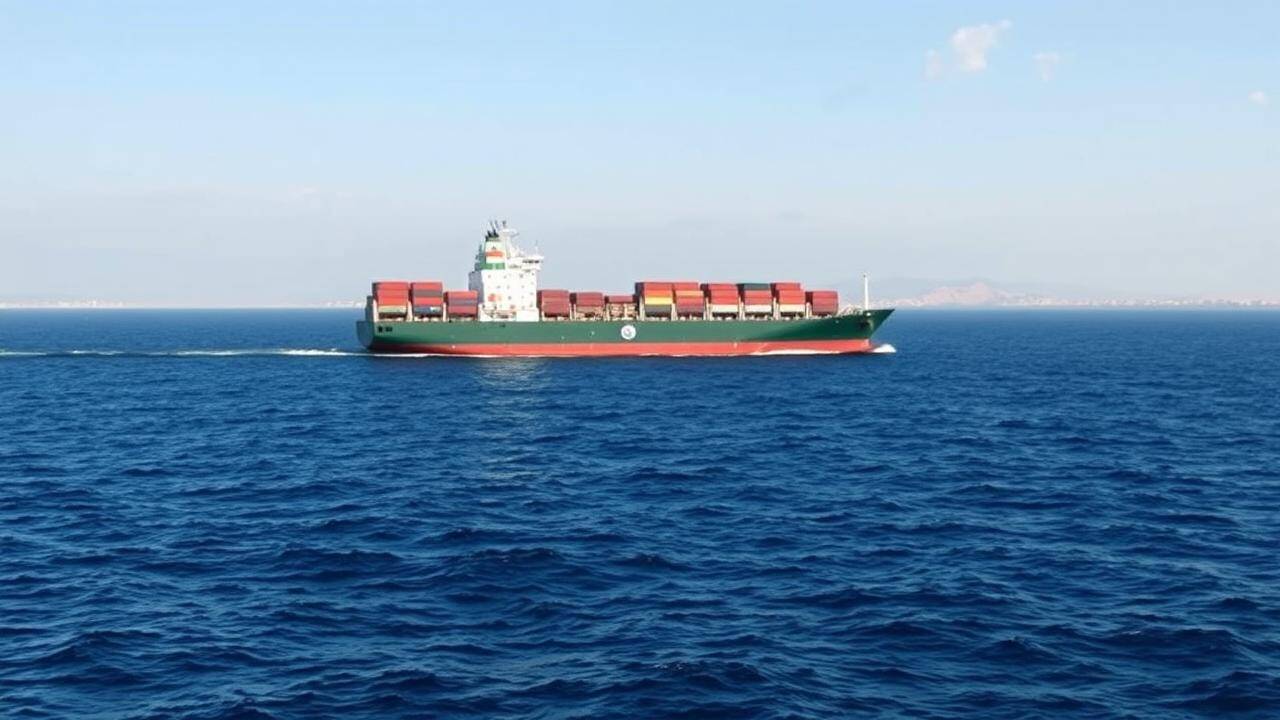
The most significant outcome of these talks is the assurance from Iran regarding the safe passage of Indian vessels. Iran has promised that ships flying the Indian flag will be able to move through the Strait of Hormuz without interference. This is a major relief for the Indian shipping industry and the energy sector. Without this safety guarantee, insurance costs for ships would skyrocket, and the delivery of essential goods could be delayed, leading to higher prices for consumers in India.
Key Details
What Happened
The Ministry of External Affairs confirmed that S. Jaishankar reached out to his Iranian counterpart three times in a short period. These conversations were not just routine checks but were focused on the growing risks in the Middle East. The two leaders discussed the security of maritime trade routes that connect India to the rest of the world. India expressed its concerns about the potential for conflict to disrupt the flow of trade and energy.
Important Numbers and Facts
The Strait of Hormuz is one of the most important sea lanes in the world. About 20% to 30% of the world’s total oil consumption passes through this narrow waterway every day. For India, the stakes are even higher, as a large portion of its crude oil and liquefied natural gas (LNG) imports come through this route. India imports more than 80% of its oil needs, making energy security a top priority for the government. Any blockage or threat in this area could lead to a massive spike in fuel prices across the country.
Background and Context
To understand why these talks matter, one must look at the current state of the Middle East. There have been several incidents involving ships being seized or attacked in regional waters. These events often happen because of political disagreements between major powers in the area. India maintains a neutral but firm stance, focusing on its own national interests. By talking directly to Iran, India is using diplomacy to prevent its trade from becoming a casualty of regional disputes. India and Iran have a long history of cooperation, including projects like the Chabahar Port, which helps India trade with Central Asia.
Public or Industry Reaction
The shipping and energy industries have welcomed these diplomatic efforts. Experts in international trade believe that direct communication is the best way to avoid misunderstandings at sea. Indian oil companies are also relieved, as they rely on a predictable schedule for tankers arriving at Indian ports. While there is still some worry about the general stability of the region, the news of Iran’s assurance has brought a sense of calm to the markets. Business leaders hope that these talks will lead to a long-term agreement that keeps trade routes open regardless of political tensions.
What This Means Going Forward
Moving forward, India will likely continue to keep a close eye on the Middle East. The government may increase its naval presence in the region to provide extra security for its merchant ships. We can also expect more frequent diplomatic meetings between India and other regional players like the UAE, Saudi Arabia, and Qatar. The goal is to create a network of support that ensures no single conflict can shut down India’s energy supply. If the situation stays stable, it will help India maintain its economic growth and keep inflation under control.
Final Take
India is taking a proactive approach to protect its economy by engaging in direct diplomacy with Iran. By securing a promise for safe passage through the Strait of Hormuz, the government is shielding its citizens from potential energy shortages and price hikes. These three phone calls represent a vital step in keeping India’s trade moving during uncertain times. It shows that in a world of rising tensions, clear communication remains the most effective tool for national security.
Frequently Asked Questions
Why is the Strait of Hormuz so important for India?
The Strait of Hormuz is a narrow sea passage where a huge amount of the world's oil travels. Since India buys most of its oil from the Middle East, this route is the main "highway" for the energy that powers Indian cars, factories, and homes.
What did Iran promise India during these talks?
Iran assured India that ships flying the Indian flag would have safe passage through the region. This means India's trade vessels should not face the risk of being stopped or attacked while moving through these waters.
How do these talks affect the average person in India?
When shipping routes are safe, oil prices stay more stable. If these routes were blocked, the cost of petrol and diesel would likely go up, which would make food and other goods more expensive for everyone.