
Summary
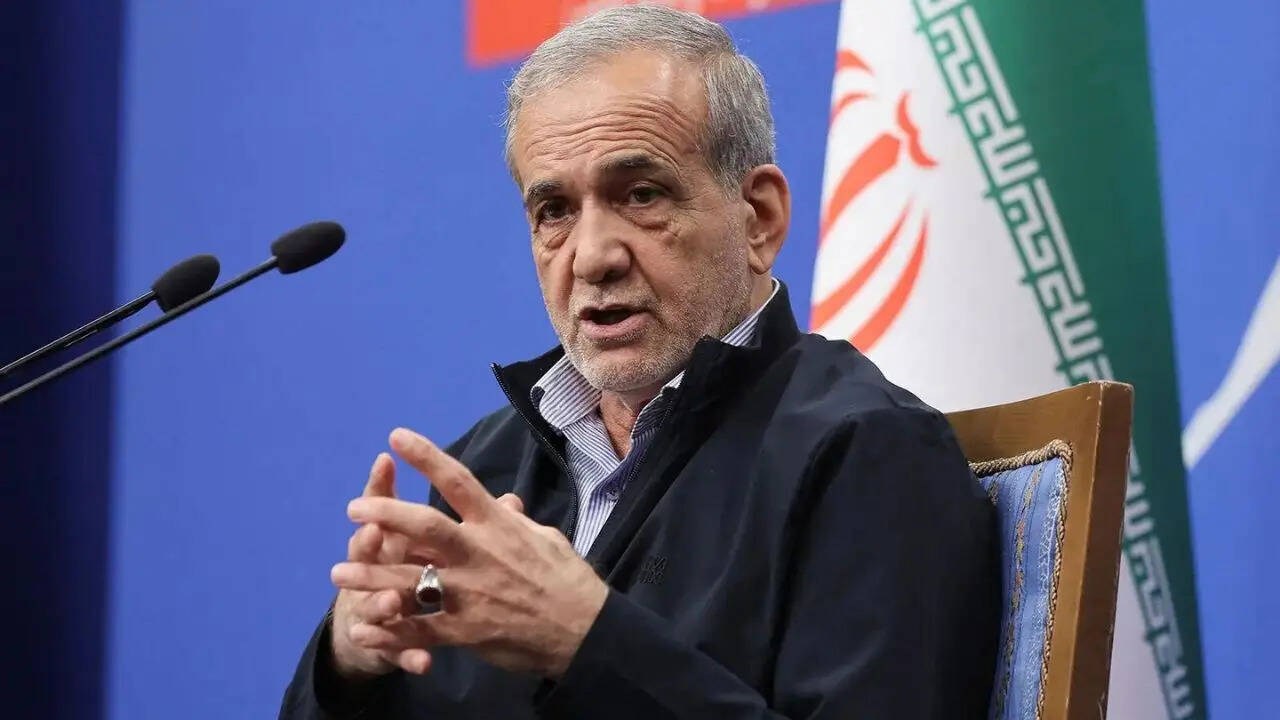
Iranian President Masoud Pezeshkian has issued a strong warning to Israel following reports of military movements in Lebanon. The Iranian leader stated that Israel’s recent actions are a direct violation of the current truce agreement meant to keep peace in the region. He used the phrase "hands remain on the trigger" to show that Iran and its allies are ready to fight if the situation does not improve. This warning comes at a time when many hoped the ceasefire would lead to long-term stability in the Middle East.
Main Impact
The primary impact of this statement is an immediate increase in regional tension. When a leader mentions that their military is ready to fire, it signals that diplomatic efforts are failing. This warning could lead to a rise in military readiness across the border between Israel and Lebanon. For the people living in these areas, the fear of a full-scale war has returned. Additionally, global markets often react to such news, as instability in this part of the world can lead to higher oil prices and changes in international trade routes.
Key Details
What Happened
President Pezeshkian spoke to the media and government officials about the situation in Lebanon. He claimed that Israeli forces have moved into areas they were supposed to stay out of according to the truce deal. According to the Iranian government, these incursions are not just small mistakes but a planned effort to weaken the ceasefire. Iran views itself as a protector of Lebanese interests, particularly through its support of groups like Hezbollah. By making this public statement, Pezeshkian is telling the world that Iran will not sit quietly if Israel continues its military operations in Lebanese territory.
Important Numbers and Facts
The truce deal in question was designed to stop the heavy fighting that has plagued the border for months. While specific troop numbers are often kept secret, reports suggest that several Israeli units have been active near the "Blue Line," which is the unofficial border between the two countries. Iran has pointed out that any movement across this line is a breach of international law. The Iranian President emphasized that their "readiness" is at 100 percent, suggesting that their military forces are on high alert. This rhetoric is meant to act as a deterrent, hoping to stop Israel from moving further into Lebanon.
Background and Context
To understand why this matters, it is important to look at the history between these nations. Israel and Lebanon have been in a state of conflict for many years. Israel often carries out military actions to stop groups that it considers a threat to its safety. On the other side, Iran provides money, weapons, and political support to these groups. The truce was a fragile attempt by international leaders to prevent a massive war that could pull in other countries like the United States or Iran directly. When one side accuses the other of breaking the rules, the entire agreement risks falling apart. In simple terms, the truce is like a thin piece of glass, and these recent military moves are like cracks forming in that glass.
Public or Industry Reaction
The international community has reacted with deep concern. Leaders from the United Nations have called for both sides to show restraint and return to the terms of the agreement. Many peace activists in the region are worried that the progress made over the last few months is being erased. In the business world, shipping companies and airlines are watching the situation closely. If the conflict grows, travel and transport through the region will become much more dangerous and expensive. Most experts agree that neither side truly wants a total war, but the aggressive language used by leaders makes it harder to find a peaceful way out.
What This Means Going Forward
In the coming days, we can expect to see more diplomatic meetings. Countries that helped broker the truce, such as the United States and France, will likely try to talk to both Israeli and Iranian officials. The goal will be to clarify the border rules and stop any further military movement. However, if Israel continues its operations and Iran follows through on its "trigger" warning, the region could see a new wave of violence. The next few weeks are critical. If the truce can be saved, there is still a chance for peace. If not, the military forces on both sides may move from warnings to actual combat.
Final Take
The situation between Iran, Israel, and Lebanon is at a dangerous turning point. President Pezeshkian’s words show that the trust between these nations is gone. While a truce exists on paper, the reality on the ground is much more violent and uncertain. The world is now waiting to see if these warnings lead to a new conflict or if diplomacy can win the day.
Frequently Asked Questions
What did the Iranian President mean by "hands on the trigger"?
This is a common military metaphor. It means that the military is fully prepared and ready to attack or defend at a moment's notice. It is a way of saying that they are not just watching the situation, but are ready to fight if they feel it is necessary.
Why is the truce in Lebanon so important?
The truce is important because it prevents a local conflict from turning into a much larger war. Without the truce, fighting could spread across the Middle East, causing a humanitarian crisis and affecting the global economy, especially through energy costs.
What is the "Blue Line" mentioned in the conflict?
The Blue Line is a border map created by the United Nations. It serves as the temporary boundary between Israel and Lebanon. It is used to determine if one country has illegally entered the territory of the other.

