Summary
Tensions between the United States, Israel, and Iran have reached a dangerous new level as a key deadline approaches. President Donald Trump warned that the U.S. has the power to destroy an entire country in a single night, specifically targeting Iran if it does not meet his demands. The conflict centers on the closure of the Strait of Hormuz, a vital path for the world's energy supply. With the ultimatum set to expire on Tuesday night, the risk of a major military escalation is higher than ever.
Main Impact
The primary impact of this situation is the immediate threat of a large-scale war in the Middle East. President Trump’s words suggest that the U.S. military is prepared to launch massive strikes within hours if Iran does not reopen the Strait of Hormuz. This standoff has already caused energy prices to fluctuate and has put the global economy on edge. If the waterway remains closed, the flow of oil and gas to many nations will be cut off, leading to a potential global energy crisis.
Key Details
What Happened
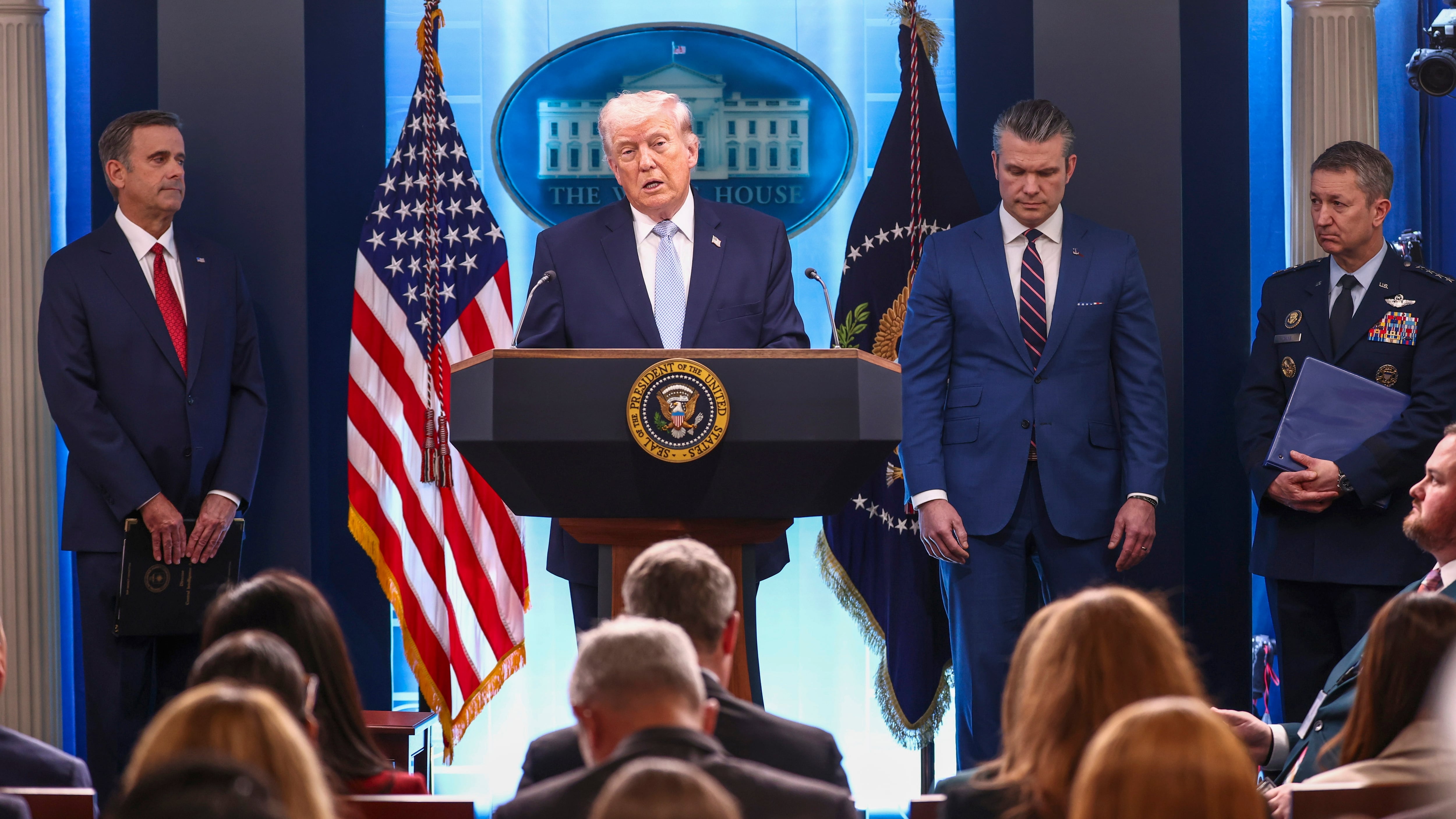
President Trump spoke openly about the possibility of a devastating attack on Iran. He stated that the U.S. could finish a military campaign in just one night and hinted that this could happen as early as tomorrow. This warning comes as the U.S. demands that Iran stop blocking the Strait of Hormuz. At the same time, Israel has increased its military actions against Iranian interests. Israeli Prime Minister Benjamin Netanyahu confirmed that his forces killed two high-ranking Iranian officials in recent strikes. These leaders were key figures in Iran’s military and intelligence operations.
Important Numbers and Facts
The deadline for Iran to comply with U.S. demands is Tuesday night, April 7, 2026. The two officials killed were Majid Khadami, the head of intelligence for the Revolutionary Guard, and Ajer Bakri, a commander in the Quds Force. Additionally, the Israeli military targeted the South Pars petrochemical complex. This site is part of the largest natural gas field in the world, which Iran shares with Qatar. The destruction of infrastructure at this site represents a major blow to Iran’s economy and its ability to process energy resources.
Background and Context
The Strait of Hormuz is a narrow stretch of water that connects the Persian Gulf with the Gulf of Oman. It is the most important oil transit point in the world. About one-fifth of the world's total oil consumption passes through this area every day. When Iran closes or threatens this waterway, it affects the entire world's energy market. The current conflict began to worsen after a U.S. fighter jet was shot down over Iranian territory. President Trump has expressed extreme anger over the leak of this information to the public, even threatening to jail the journalist responsible for the report.
Public or Industry Reaction
The international community is watching the situation with deep concern. Pakistan attempted to act as a peacemaker by offering a proposal to end the fighting. This plan was delivered to both Washington and Tehran early Monday morning. However, Iranian leaders have rejected the idea of a temporary truce. They stated they will not reopen the Strait of Hormuz just for a short break in the fighting. Meanwhile, Israeli leaders have praised their military's success in removing top Iranian commanders, signaling that they will continue their campaign regardless of diplomatic efforts.
What This Means Going Forward
The next 24 hours are critical for global security. If Iran does not back down and reopen the shipping lanes, the U.S. may follow through on its threat of a massive air campaign. This would likely lead to a wider war involving multiple countries in the region. For everyday people, this could mean a sharp increase in the price of gasoline and heating. For the shipping industry, it means finding longer and more expensive routes to move goods. The world is now waiting to see if last-minute talks can prevent a full-scale military clash.
Final Take
The situation has moved past simple political talk and into the territory of direct military action. With high-level leaders being killed and major energy sites under fire, the chance for a peaceful solution is shrinking. The world is now facing a moment where a single night of military action could change the map of the Middle East and the stability of the global economy for years to come.
Frequently Asked Questions
Why is the Strait of Hormuz so important?
It is the main path for oil and gas coming out of the Middle East. If it is closed, a large portion of the world's energy supply cannot reach international markets, causing prices to rise everywhere.
Who were the Iranian officials killed by Israel?
The two officials were Majid Khadami, a top intelligence leader, and Ajer Bakri, a commander of the Quds Force, which handles Iran's military operations outside of its own borders.
What is the deadline for the U.S. ultimatum?
The deadline is Tuesday night, April 7. President Trump has stated that military action could begin immediately after this time if Iran does not meet his requirements.