
Summary
Recent high-level talks between Iran and the United States in Islamabad, Pakistan, have ended without a formal agreement. Tehran has publicly criticized Washington, claiming the U.S. side failed to keep its previous promises and made unfair demands during the meetings. These discussions were intended to address long-standing issues, including nuclear activities and the safety of international shipping routes. The lack of progress suggests that tensions between the two nations will continue to affect global security and energy markets.
Main Impact
The failure of these talks has immediate effects on international diplomacy and economic stability. Because no deal was reached, the uncertainty surrounding the Strait of Hormuz remains a major concern for the global oil trade. Investors and world leaders often watch these meetings closely to see if regional tensions will ease. When talks fail, it often leads to higher risks of military friction and unpredictable changes in energy prices. This outcome also shows how difficult it is for the two countries to build trust after years of disagreement.
Key Details
What Happened
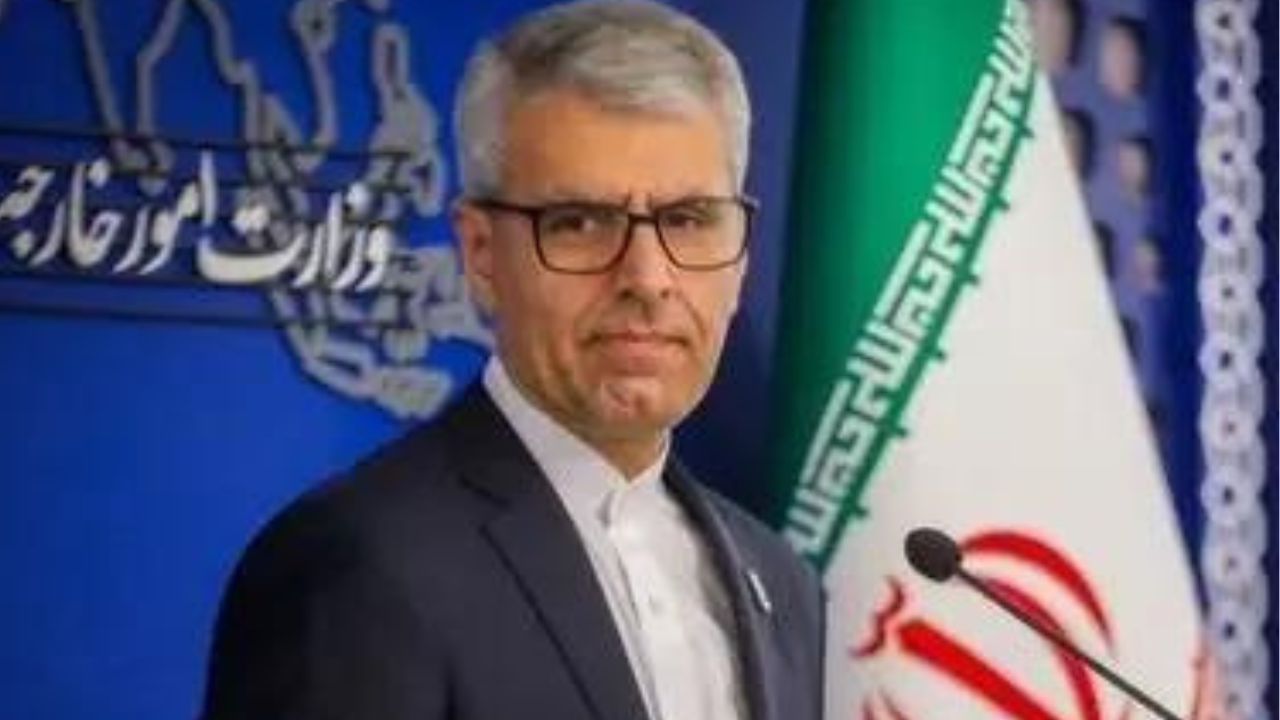
Diplomats from Iran and the United States met in the Pakistani capital to find a way to resolve their biggest arguments. Pakistan acted as a neutral middleman to help the two sides communicate. However, the meetings did not go as planned. Iranian officials stated that the U.S. government went back on its word regarding earlier agreements. They also claimed that the American negotiators asked for too many concessions without offering enough in return. Because of these disagreements, the talks stopped before any official documents could be signed.
Important Numbers and Facts
The discussions focused heavily on the Strait of Hormuz, a narrow waterway where nearly 20% of the world's total oil supply passes every day. Any conflict in this area can cause gas prices to rise globally. Another major topic was Iran's nuclear program, which has been a point of international debate for over twenty years. While specific new dates for future meetings were not set, Iran thanked Pakistan for hosting the event, showing that they still value the role of mediators in this process.
Background and Context
To understand why these talks are so important, it is helpful to look at the history between the two countries. For a long time, the U.S. and Iran have disagreed over how Iran uses nuclear technology. In 2015, a major deal was signed to limit Iran's nuclear work in exchange for lifting economic sanctions. However, the U.S. left that deal in 2018, which led to new rounds of tension. Since then, both sides have struggled to find a new way to work together.
The location of the talks is also significant. Pakistan shares a border with Iran and has a complex relationship with the United States. By hosting these talks in Islamabad, Pakistan is trying to show it can be a peacemaker in the region. This role is vital because a conflict between Iran and the U.S. would likely cause problems for all neighboring countries.
Public or Industry Reaction
Global markets have reacted with caution to the news of the failed talks. Oil industry experts warn that continued tension in the Middle East makes shipping more expensive and dangerous. Diplomatic groups have expressed disappointment, as many hoped this meeting would lead to a breakthrough. Some political analysts believe that the "excessive demands" mentioned by Iran might refer to new restrictions on their military or missile programs, which the U.S. sees as a threat but Iran sees as necessary for its defense.
What This Means Going Forward
Even though this specific meeting did not result in a deal, the door for future talks is not completely closed. Iran has indicated that it is still willing to negotiate if the conditions are fair. The next steps will likely involve more behind-the-scenes work by mediators like Pakistan or European nations. The U.S. will have to decide if it wants to change its demands to keep the conversation going. In the meantime, the world will be watching for any signs of increased military presence in the Persian Gulf, which often happens when diplomacy fails.
Final Take
The breakdown of the Islamabad talks shows that deep-seated anger and a lack of trust still define the relationship between Iran and the United States. While both sides seem to want to avoid a full-scale war, they are not yet ready to make the big compromises needed for a lasting peace. For now, the world remains in a state of waiting to see if the next round of diplomacy can succeed where this one failed.
Frequently Asked Questions
Why did the talks in Islamabad fail?
The talks failed because Iran accused the United States of breaking previous promises and making demands that were too high. The two sides could not agree on key issues like nuclear rules and shipping safety.
What is the Strait of Hormuz?
It is a very important waterway for the global economy. A large portion of the world's oil is shipped through this narrow passage, making it a major focus of international security talks.
Will there be more meetings between the U.S. and Iran?
While no specific date is set, Iran has suggested they are open to more talks in the future. They also thanked Pakistan for helping with the current negotiations, which suggests they still want a diplomatic solution.

