Summary
Students in Iran have launched a new wave of anti-government protests, marking the first major demonstrations since a violent crackdown last month. These gatherings are being held to honor the thousands of people who were killed during the previous nationwide unrest. By returning to the streets, the students are showing that the government's use of force has not ended the call for change. This movement highlights a growing tension between the country's youth and the ruling authorities.
Main Impact
The return of student protesters is a major challenge to the government's control. After the deadly events of last month, many observers thought the fear of violence would keep people away from public demonstrations. However, these new protests prove that the desire for reform is still very strong among young people. The impact is felt most in the country's education centers, where the atmosphere has shifted from mourning to active resistance. This development suggests that the government's strategy of using force to stop dissent may have failed to provide long-term stability.
Key Details
What Happened
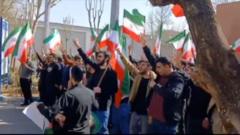
The protests began on university campuses across several major cities. Students gathered in large groups, often holding photos of those who died in the previous month’s crackdown. They held vigils and chanted slogans that called for more freedom and better leadership. In many cases, students refused to attend classes, turning their schools into sites of peaceful protest. Despite the heavy presence of security forces outside campus gates, the students continued their demonstrations throughout the day.
Important Numbers and Facts
Reports indicate that thousands of people were killed during the mass protests that took place just one month ago. This high death toll has become a central point of anger for the current student movement. While exact numbers are hard to verify due to government restrictions, human rights groups suggest that the scale of the previous crackdown was one of the most severe in recent years. The current protests involve students from at least ten major universities, showing that the movement is not limited to just one area.
Background and Context
To understand why these protests are happening, it is important to look at the history of student activism in Iran. For decades, universities have been the center of political debate and social change. Students often lead the way when the public feels that the government is not listening to their needs. The events of last month were triggered by deep-seated issues like economic problems and a lack of personal freedoms. When the government responded with force, it created a sense of shared pain among the population. These new protests are a direct result of that pain and the feeling that the lives lost must not be forgotten.
Public or Industry Reaction
The reaction to the new protests has been mixed but intense. Many citizens have expressed support for the students on social media, even though the internet is often slowed down or blocked by the state. Families of those who were killed in the previous month have also voiced their gratitude to the students for keeping the memory of their loved ones alive. On the other hand, government officials have warned that any illegal gatherings will be met with a firm response. State-run media has largely ignored the protests or described them as being fueled by outside influences. International human rights organizations are watching the situation closely, calling for the government to respect the right to peaceful assembly.
What This Means Going Forward
The coming weeks will be a critical time for both the protesters and the government. If the student protests continue to grow, they could encourage other parts of society, such as factory workers or shop owners, to join in. This would put even more pressure on the authorities. However, there is also a high risk of another crackdown. If the government feels its power is truly threatened, it may use even more force to clear the streets. The international community may also play a role by putting more pressure on the government to stop the violence. For now, the situation remains very tense, with both sides refusing to back down.
Final Take
The bravery shown by these students is a clear sign that the issues facing the country cannot be solved by force alone. By standing up to honor those who were lost, the younger generation is demanding a different future. Whether this leads to real change or more conflict, it is clear that the voice of the youth remains a powerful force in the nation's path forward.
Frequently Asked Questions
Why are the students protesting now?
The students are protesting to honor the thousands of people killed in a government crackdown last month and to demand political and social reforms.
How has the government responded to these new protests?
The government has increased security around universities and warned that any illegal gatherings will be dealt with strictly, though a full-scale crackdown on this specific wave has not yet been reported.
What happened during the protests last month?
Last month, nationwide protests were met with a violent response from security forces, resulting in the deaths of thousands of people and many more arrests.