Summary
Israel and the United States have launched a major joint military operation against Iran’s most important energy site. The attack targeted the South Pars gas field, which is the largest natural gas reserve in the world. This move has caused a sharp rise in tension across the Middle East, leading to immediate threats from Iranian leaders. Iran’s president has warned that these actions will lead to dangerous and unpredictable results for everyone involved.
Main Impact
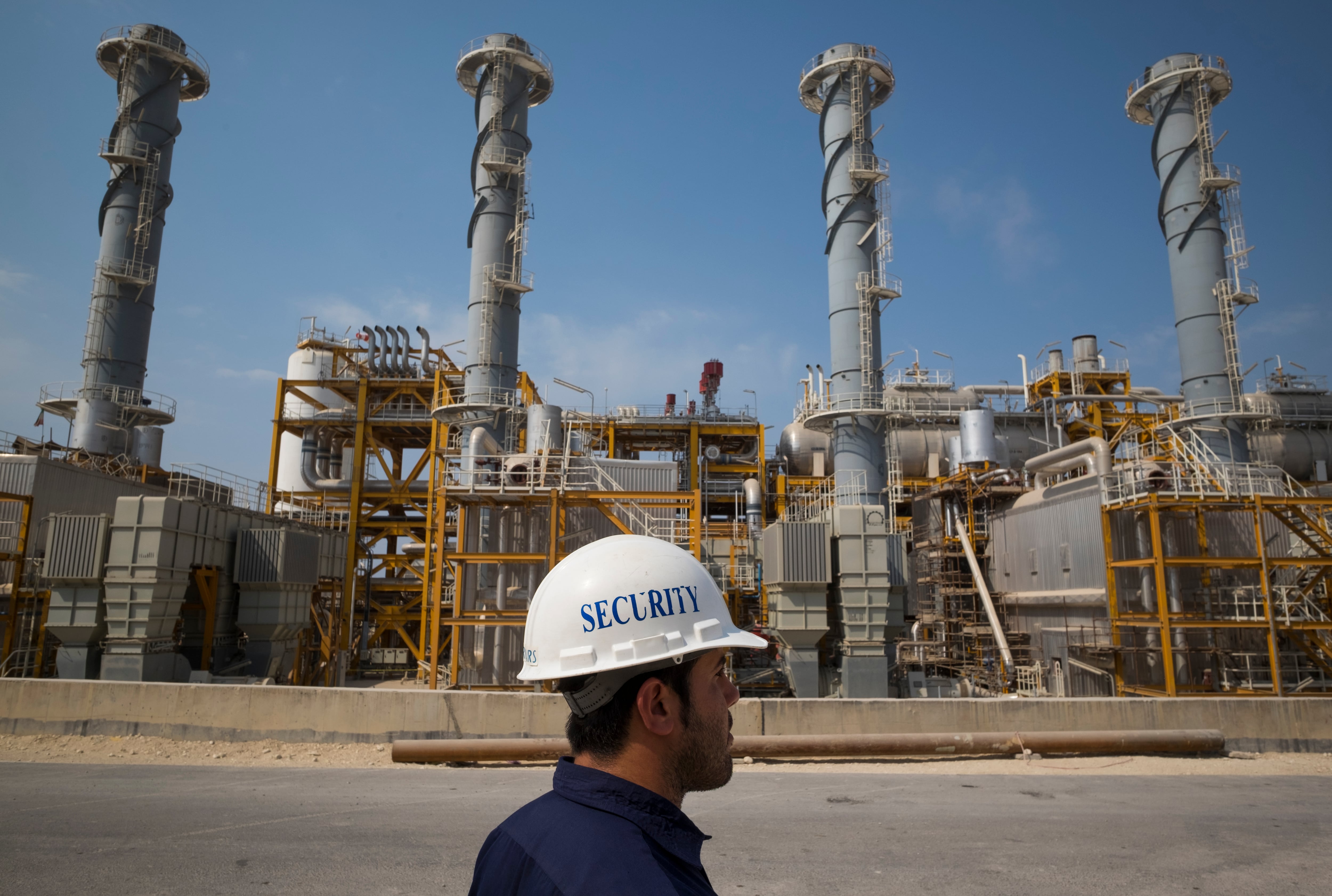
The most significant impact of this attack is the direct hit on Iran’s economy and energy supply. By striking the South Pars field, the U.S. and Israel have targeted the primary source of Iran’s wealth and power. This is not just a military strike; it is an attempt to disable the country’s ability to produce and sell energy. Beyond the economic damage, the loss of high-ranking government officials has left the Iranian leadership in a state of shock and anger.
Key Details
What Happened
On Wednesday, a coordinated air strike hit the South Pars gas field in the Persian Gulf. At the same time, Israeli forces carried out several targeted attacks in other areas. One of these strikes killed the Iranian Intelligence Minister, Esmail Jatib. This follows a series of other high-profile killings earlier in the week. In response to these events, Iran fired a large number of missiles toward the city of Tel Aviv in Israel, resulting in at least two deaths.
The conflict also spread heavily into Lebanon. The Israeli military bombed several bridges that connect the southern part of Lebanon to the rest of the country. These strikes aim to cut off travel and supply lines. Earlier that morning, bombs hit the center of Beirut, the capital of Lebanon, killing at least ten people and causing widespread damage to buildings.
Important Numbers and Facts
- South Pars: The world’s largest gas field, now a primary target of the military campaign.
- Casualties in Lebanon: At least 10 people were killed in the latest strikes on Beirut.
- Casualties in Israel: 2 people died following the Iranian missile response in Tel Aviv.
- Key Figures Killed: Intelligence Minister Esmail Jatib, security leader Ali Larijani, and Basij militia chief Gholamreza Soleimani.
- Date of Escalation: The most intense fighting and the gas field strike occurred on March 18, 2026.
Background and Context
The relationship between Iran and Israel has been bad for many years, but it has recently turned into a direct war. Usually, these countries fight through other groups. However, in the last few days, they have started attacking each other directly. The United States has now joined Israel in these strikes, showing a major change in how the U.S. is handling the situation.
The South Pars gas field is shared between Iran and Qatar. It is vital for the global energy market. Any damage to this area can cause gas prices to go up all over the world. Iran relies on this field for almost all of its domestic energy and its exports. Attacking it is seen as a "red line" that has now been crossed.
Public or Industry Reaction
Iranian President Masoud Pezeshkian spoke out quickly after the attacks. He used social media to tell the world that the U.S. and Israel would not benefit from these strikes. He warned that the consequences would be "uncontrollable," suggesting that Iran might launch even larger attacks in the coming days. Many people in the region are now afraid that a full-scale war will break out, involving more countries and causing more deaths.
Global energy experts are also worried. They fear that if the fighting continues near the Persian Gulf, the flow of oil and gas to other countries will stop. This could lead to a global economic crisis if prices stay high for a long time.
What This Means Going Forward
The situation is very unstable. The next steps depend on how Iran chooses to respond to the loss of its Intelligence Minister and its gas facilities. If Iran continues to fire missiles at Israeli cities, Israel is likely to strike even more targets inside Iran. This cycle of payback makes it very hard for diplomats to find a way to stop the fighting.
In Lebanon, the destruction of bridges will make life very difficult for civilians. It will be harder for food, water, and medicine to reach the people who need them. The international community is watching closely to see if the United Nations or other countries can step in to negotiate a peace deal before the violence spreads further.
Final Take
The direct attack on Iran's energy heart marks a new and dangerous chapter in this conflict. With top leaders being killed and vital resources being destroyed, the chance for a simple solution is fading. The world must now prepare for the economic and political fallout of a much larger war in the Middle East.
Frequently Asked Questions
Why is the South Pars gas field so important?
It is the largest gas field in the world. It provides the majority of Iran's energy and is their main source of money from exports. Damage to this field hurts Iran's economy and can raise global energy prices.
Who were the Iranian leaders killed in the recent strikes?
The most recent leader killed was Intelligence Minister Esmail Jatib. Earlier in the week, security figure Ali Larijani and Basij militia leader Gholamreza Soleimani were also killed in Israeli attacks.
How is Lebanon involved in this conflict?
Israel is bombing targets in Lebanon, including bridges and the capital city of Beirut, to stop groups that support Iran. This has led to many civilian deaths and has cut off travel between different parts of the country.