Summary
Iran fired on a commercial cargo ship near the Strait of Hormuz on Wednesday, creating new tension in the region. This attack happened only hours after U.S. President Donald Trump announced he would extend a ceasefire to allow for peace negotiations. While the U.S. wants to talk, it is keeping a naval blockade in place, which has angered Iranian leaders. This event makes the current peace efforts look very weak and uncertain.
Main Impact
The immediate impact of this shooting is a rise in fear for global shipping. The Strait of Hormuz is one of the most important water paths in the world. Many ships carrying oil and goods pass through this area every day. When a ship is fired upon, it tells the world that the water is not safe. This often leads to higher insurance costs for shipping companies and can cause the price of oil to go up for everyone.
Beyond the economy, this attack hurts the chances for peace. It is very hard for two countries to negotiate a deal when weapons are still being used. The attack shows that even though there is a "ceasefire" on paper, the situation on the water is still very violent. It puts pressure on the U.S. government to decide if they should continue talking or return to a full military response.
Key Details
What Happened
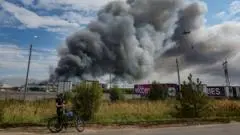
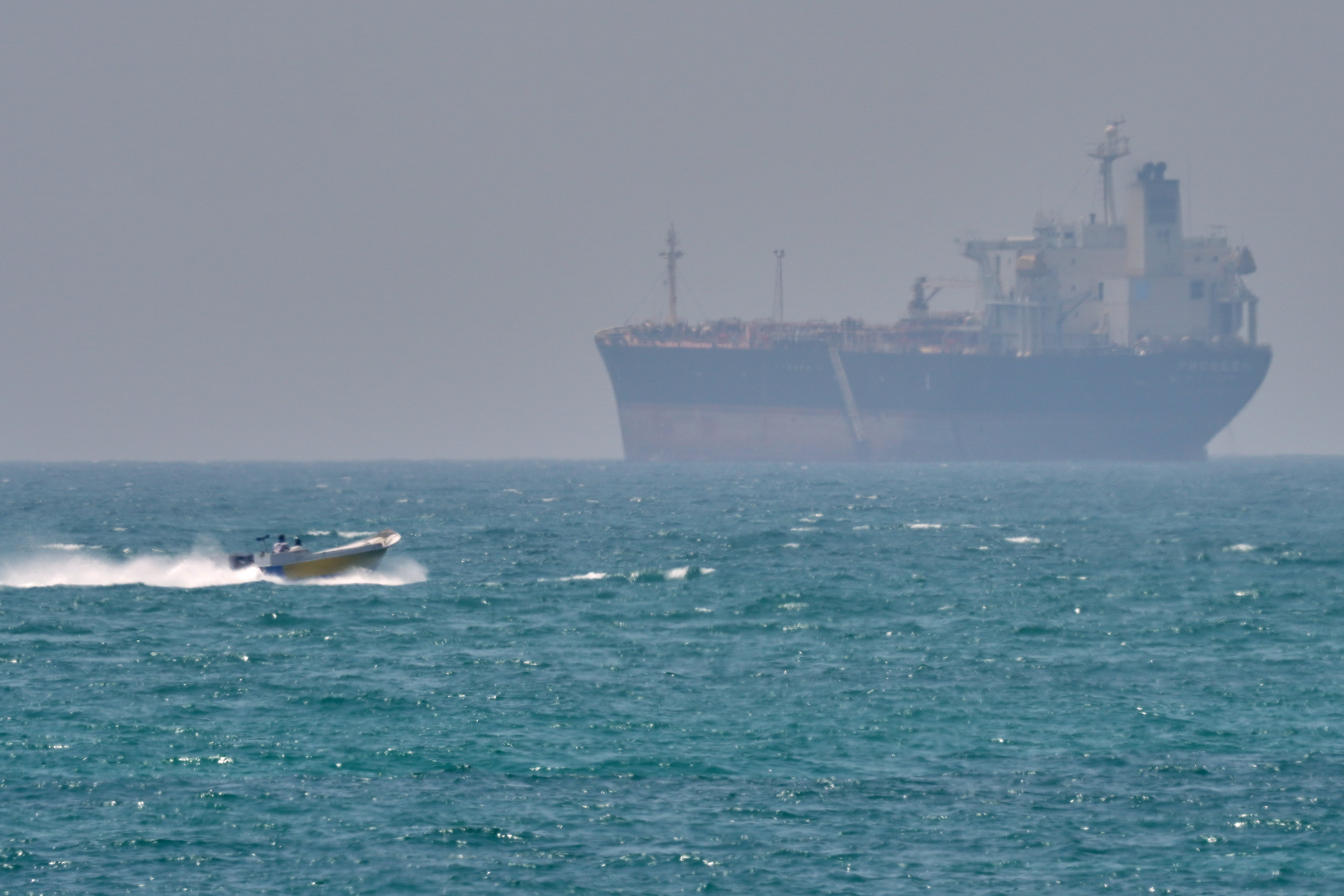
A container ship was traveling near the coast of Oman when it came under fire from Iranian forces. The ship was located about 15 nautical miles northeast of Oman. The British Maritime Trade Operations, known as the UKMTO, was the first to report the incident. They monitor the safety of ships in that part of the world. At this time, it is not clear how much damage the ship took or if anyone on board was hurt.
Important Numbers and Facts
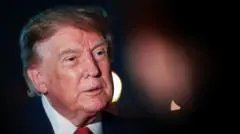
The incident took place on April 22, 2026. This was shortly after President Trump used his social media platform, Truth Social, to tell the public that the ceasefire would be extended. Trump’s plan is to keep the ceasefire going until Iran presents a real proposal for peace. However, the U.S. is still using its Navy to block the Strait of Hormuz. This blockade is a major point of disagreement because it stops Iran from moving goods and selling oil freely.
Background and Context
The conflict between the United States, Israel, and Iran has been going on for a long time. Recently, the fighting became much worse, leading to a direct war. To stop the total destruction of the region, a temporary ceasefire was put in place. The goal was to give diplomats a chance to find a way to end the war permanently.
The Strait of Hormuz is a "choke point." This means it is a very narrow area that is easy to close off. Because so much of the world's energy supply goes through this narrow gap, whoever controls it has a lot of power. The U.S. is using its naval strength to control who goes in and out. Iran views this as a direct attack on its economy and its right to use the sea. This is why the area remains the most dangerous part of the conflict.
Public or Industry Reaction
The Iranian Revolutionary Guard has issued a very strong warning. They stated that they are "prepared to face any new aggression." They also threatened to destroy what is left of their "enemy's assets" if the fighting starts again. This shows that the military leaders in Iran may not be as interested in peace as the diplomats might be.
In the United States, the reaction has been one of caution. Vice President JD Vance was supposed to lead a group of officials to Pakistan for peace talks. After the news of the ship being fired upon, he delayed his trip. The U.S. government has not said when or if he will go. Meanwhile, Iran’s Foreign Ministry said they have not even decided if they will show up to the meeting. This suggests that both sides are waiting to see who will make the next move.
What This Means Going Forward
The next few days will be critical for the region. If more ships are attacked, the U.S. will likely end the ceasefire. President Trump has said he wants to negotiate "until the end," but he also values showing strength. If he feels the ceasefire is being ignored, he may order the U.S. military to strike back.
The planned talks in Pakistan are the only hope for a peaceful exit right now. If those talks are canceled, the war could enter a much more violent phase. Shipping companies are already looking for other routes to avoid the Strait of Hormuz, but there are very few options that are as fast or cheap. The world is waiting to see if the leaders can stop the shooting long enough to actually sit down and talk.
Final Take
A ceasefire is only useful if it actually stops the violence. Firing on a cargo ship while talking about peace sends a confusing and dangerous message. Until both the naval blockade and the attacks on ships end, the promise of peace will remain out of reach. The situation is currently at a breaking point where one more mistake could lead to a much larger disaster.
Frequently Asked Questions
Why did Iran fire on the ship?
While Iran has not given a specific reason for this exact attack, they have warned that they will respond to the U.S. naval blockade. They view the blockade as an act of war and are showing that they can still strike ships in the area.
What is the status of the ceasefire?
President Trump officially extended the ceasefire to allow for more time to negotiate. However, the attack on the ship and the continued naval blockade mean that the ceasefire is not being fully followed by either side.
Will the peace talks in Pakistan still happen?
The talks are currently in doubt. U.S. Vice President JD Vance delayed his trip, and Iran has said they have not yet decided if they will attend. The recent violence makes it much harder for these talks to move forward.