
Summary
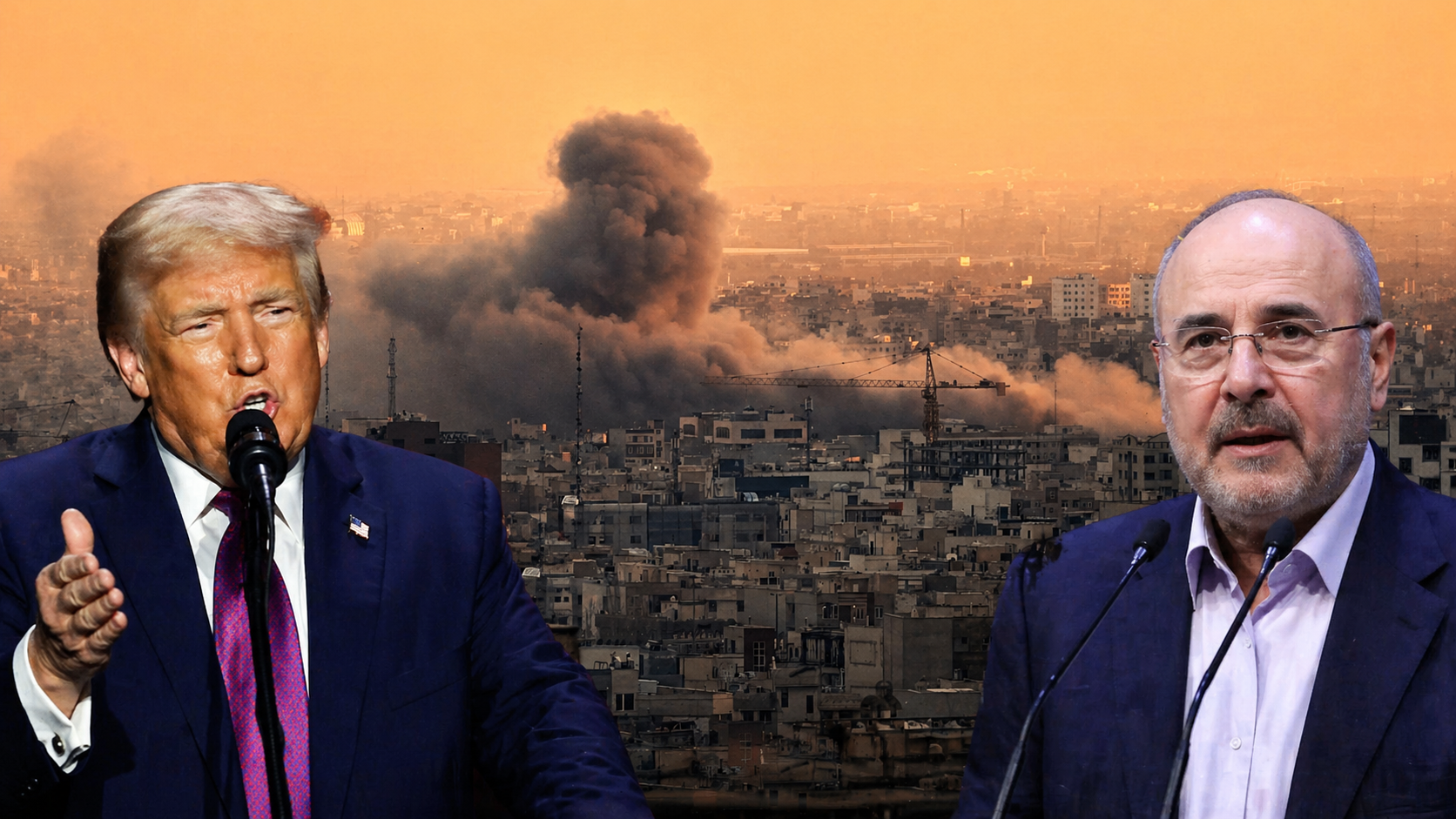
Iran has issued a strong warning to its neighbors in the Gulf region. The Iranian Vice President stated that any country helping to damage Iran’s oil plants or other important buildings will face a massive response. He promised that Iran would strike back four times harder than any attack it receives. This warning comes after Donald Trump made comments about targeting Iran’s energy sector. The situation has raised fears of a larger conflict that could affect the entire world’s oil supply.
Main Impact
The primary impact of this statement is a sharp increase in tension between Iran and the Arab nations across the Persian Gulf. Many of these countries host United States military bases and are close allies of Washington. By threatening a "fourfold" retaliation, Iran is trying to force these countries to stay neutral. If these nations allow their land or air to be used for an attack, they could become direct targets. This move puts global energy markets on high alert, as any fighting in this area usually leads to much higher gas prices for everyone.
Key Details
What Happened
The Vice President of Iran spoke clearly about the country's new stance on defense. He used the phrase "our math is different" to explain that Iran will not just give an equal response to an attack. Instead, they plan to hit back much harder to show their strength. This message was sent directly to Gulf countries like Saudi Arabia, the United Arab Emirates, and Kuwait. Iran wants these nations to know that supporting US actions against Iranian oil fields will have very high costs.
Important Numbers and Facts
The most important number in this report is "fourfold." This means Iran plans to respond with four times the force of any strike against them. The focus is specifically on the oil sector, which is the most important part of Iran's economy. While making these threats, Iran also mentioned a two-stage plan they sent to the US. This plan is an attempt to use diplomacy to stop the situation from getting worse. However, the threat of military action remains the main focus of their current message.
Background and Context
To understand why this is happening, it is important to look at the history between Iran and the United States. For many years, the two countries have been at odds over Iran's nuclear program and its role in Middle East politics. The US has placed many sanctions on Iran, which are rules that stop other countries from trading with them. These sanctions have hurt Iran's ability to sell oil and grow its economy.
Recently, Donald Trump suggested that Iran’s oil infrastructure should be a target if conflict breaks out. Because oil is how Iran makes most of its money, losing these facilities would be a disaster for the country. The Gulf countries are in a difficult spot because they are located right between the US interests and Iran. They want to keep their own oil flowing safely, but they also do not want to be caught in the middle of a war between two powerful forces.
Public or Industry Reaction
Leaders in the oil industry are worried about these threats. The Persian Gulf is one of the most important paths for oil tankers in the world. If Iran follows through on its promise to strike back, these shipping lanes could be closed or become too dangerous to use. This would cause a global shortage of energy.
Political experts say that Iran is using "deterrence." This means they are making a threat so scary that the other side decides not to attack at all. Some Gulf nations have tried to improve their relationship with Iran lately to avoid this exact kind of trouble. They are likely feeling a lot of pressure to choose between their partnership with the US and their safety from Iranian missiles.
What This Means Going Forward
The next steps depend on how the US and the Gulf countries respond to this warning. If the US continues to talk about hitting Iranian oil fields, Iran may move its military closer to the border. This increases the chance of an accidental fight starting. On the other hand, the two-stage plan Iran proposed shows that they might still be open to talking.
If diplomacy fails, the world could see a series of attacks and counter-attacks. This would not just be a local problem. It would affect the price of goods everywhere because shipping and energy costs would go up. The Gulf countries will likely try to talk to both the US and Iran to keep the peace and protect their own cities and oil wells from being hit.
Final Take
Iran is making it clear that it will not sit quietly if its economy is attacked. By promising a response that is four times larger than any strike, they are setting a very high price for any military action. The goal is to make the US and its allies think twice before taking any steps against Iran’s oil industry. While the talk is very aggressive, the mention of a diplomatic plan suggests that there is still a small hope for a peaceful solution.
Frequently Asked Questions
What does "fourfold retaliation" mean?
It means that if Iran is attacked, they plan to strike back with four times the power or frequency of the original attack. It is a way of saying they will overreact to any damage caused to them.
Why is Iran targeting Gulf countries with this warning?
Many Gulf countries are close to Iran and have US military bases. Iran wants to make sure these countries do not help the US in any attack against Iranian oil fields or buildings.
How could this affect the price of gas?
The Persian Gulf is a major source of the world's oil. If there is a war or if oil plants are destroyed, there will be less oil available. This usually causes the price of gas to go up for people all over the world.

