
Summary
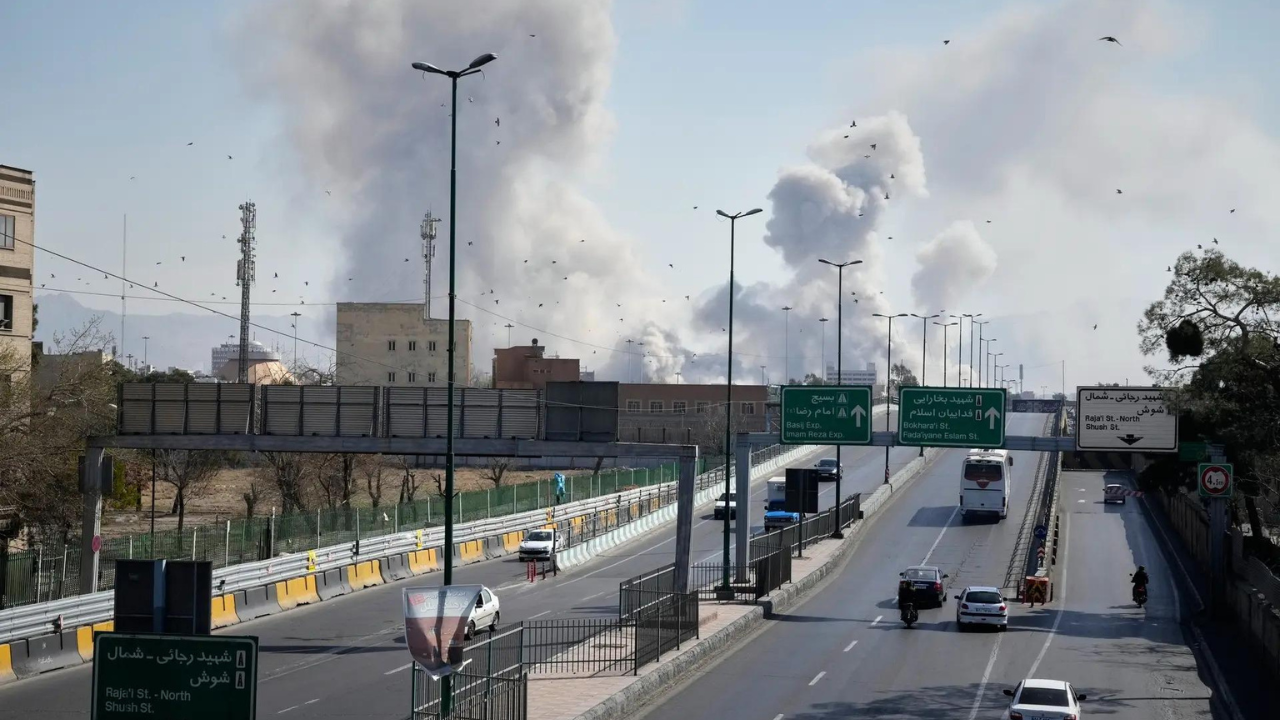
Iran’s military leaders have issued a direct and serious threat against officials from the United States and Israel. The Iranian armed forces stated they intend to track down and target these individuals across the globe, regardless of where they are located. This warning specifically mentions that public places, such as parks and tourist destinations, are no longer considered safe for these officials. The move comes as a response to recent military strikes that Iran claims have damaged its own defense capabilities.
Main Impact
The primary impact of this statement is a significant increase in global security concerns. By threatening to take action in public recreational areas, Iran is signaling a move toward unconventional attacks that could happen far away from traditional battlefields. This puts a heavy burden on security agencies in many countries to protect foreign diplomats and government workers. It also suggests that the ongoing friction in the Middle East could spill over into Western cities and popular vacation spots, affecting general public safety and international travel.
Key Details
What Happened
In a formal statement, the Iranian armed forces announced a new strategy to "hunt down" their enemies on a global scale. They made it clear that their reach would extend beyond military bases or government offices. The mention of parks and tourist sites is particularly alarming because these are "soft targets," which means they are open to the public and much harder to guard than high-security buildings. Iran claims this is a necessary reaction to ongoing pressure and physical attacks from the U.S. and Israeli militaries.
Important Numbers and Facts
While the statement did not list specific names, it broadly targeted any high-ranking official representing the U.S. or Israel. Iran admitted in this announcement that its own military strength has been "weakened" by recent airstrikes. This admission is unusual, as governments rarely acknowledge when their defenses have been hurt. It suggests that the Iranian leadership feels a strong need to project power through threats because their traditional military options may be limited at this time. The threat covers all continents, making it a worldwide security issue rather than a local one.
Background and Context
For many years, there has been a "shadow war" between Iran and its rivals, the United States and Israel. This usually involves cyberattacks, small naval skirmishes, or the use of smaller armed groups in countries like Lebanon or Syria. However, the current situation has become much more direct. Recent airstrikes have hit Iranian military assets and personnel, leading to a cycle of revenge. Iran often uses bold language to warn its enemies, but mentioning specific public places like parks suggests a shift in how they might plan to carry out future operations. This type of talk is often used to scare officials and force them to spend more money and time on personal security.
Public or Industry Reaction
Security experts and government agencies are taking these threats seriously. Many countries may now increase the level of protection for visiting officials and diplomats. There is also a concern among the travel and tourism industry. If popular tourist sites are named as potential zones for conflict, it could lead to a drop in visitors or more intrusive security checks at famous landmarks. International intelligence groups are likely increasing their monitoring of groups linked to Iran to prevent any planned actions before they can happen. So far, the U.S. and Israel have not changed their military stance, but they have reminded their staff abroad to remain alert.
What This Means Going Forward
In the coming months, we can expect to see tighter security around American and Israeli embassies and government buildings worldwide. Officials may limit their public appearances or travel with much larger security teams. There is also a risk that this rhetoric could inspire "lone wolf" attacks, where individuals act on their own without direct orders from a government. If Iran attempts to follow through on these threats, it could lead to a much larger war, as attacking an official on foreign soil is often seen as an act of war. The international community will be watching closely to see if this is just tough talk or a sign of a coming wave of violence.
Final Take
This latest threat from Iran moves the conflict into a dangerous new phase. By targeting officials in everyday public spaces, the Iranian military is trying to create a sense of fear that follows their enemies everywhere. While it remains to be seen if they have the ability to carry out such global operations, the mere mention of these targets forces the rest of the world to stay on high alert. It is a reminder that regional tensions can quickly turn into global security problems that affect everyone.
Frequently Asked Questions
Why is Iran making these threats now?
Iran claims that recent airstrikes by the U.S. and Israel have weakened its military. These threats are a way for Iran to show it can still fight back using different methods, even if its traditional military is currently struggling.
Are regular tourists in danger?
The threat specifically targets U.S. and Israeli officials. However, because the threat mentions public places like parks and tourist sites, there is a general concern about safety in those areas if an attack were to occur while many people are present.
How will the U.S. and Israel respond?
Typically, these countries respond by increasing security for their staff and using intelligence to stop threats. They may also use diplomatic pressure or further military actions if they believe a specific attack is being planned.

