Summary
Tensions in the Middle East have reached a dangerous new level as Iran and Israel trade direct attacks on each other’s territory. Iran recently launched long-range missiles at a joint military base used by the United States and the United Kingdom in the Indian Ocean. Meanwhile, Israel has carried out air strikes in the center of Tehran following missile attacks on Jerusalem. These events have caused a major shift in global security and have forced the United States to change its rules on Iranian oil to help control rising fuel prices.
Main Impact
The conflict is no longer limited to small areas or border fights. By firing missiles nearly 4,000 kilometers away, Iran has shown it can strike targets far across the ocean. This expansion puts international military bases and shipping routes at high risk. At the same time, the reported attack on a nuclear facility in Iran raises fears of a much larger disaster. The global economy is also feeling the pressure, as the closure of key shipping paths has caused fuel costs to jump, leading the U.S. to make quick policy changes regarding oil sanctions.
Key Details
What Happened
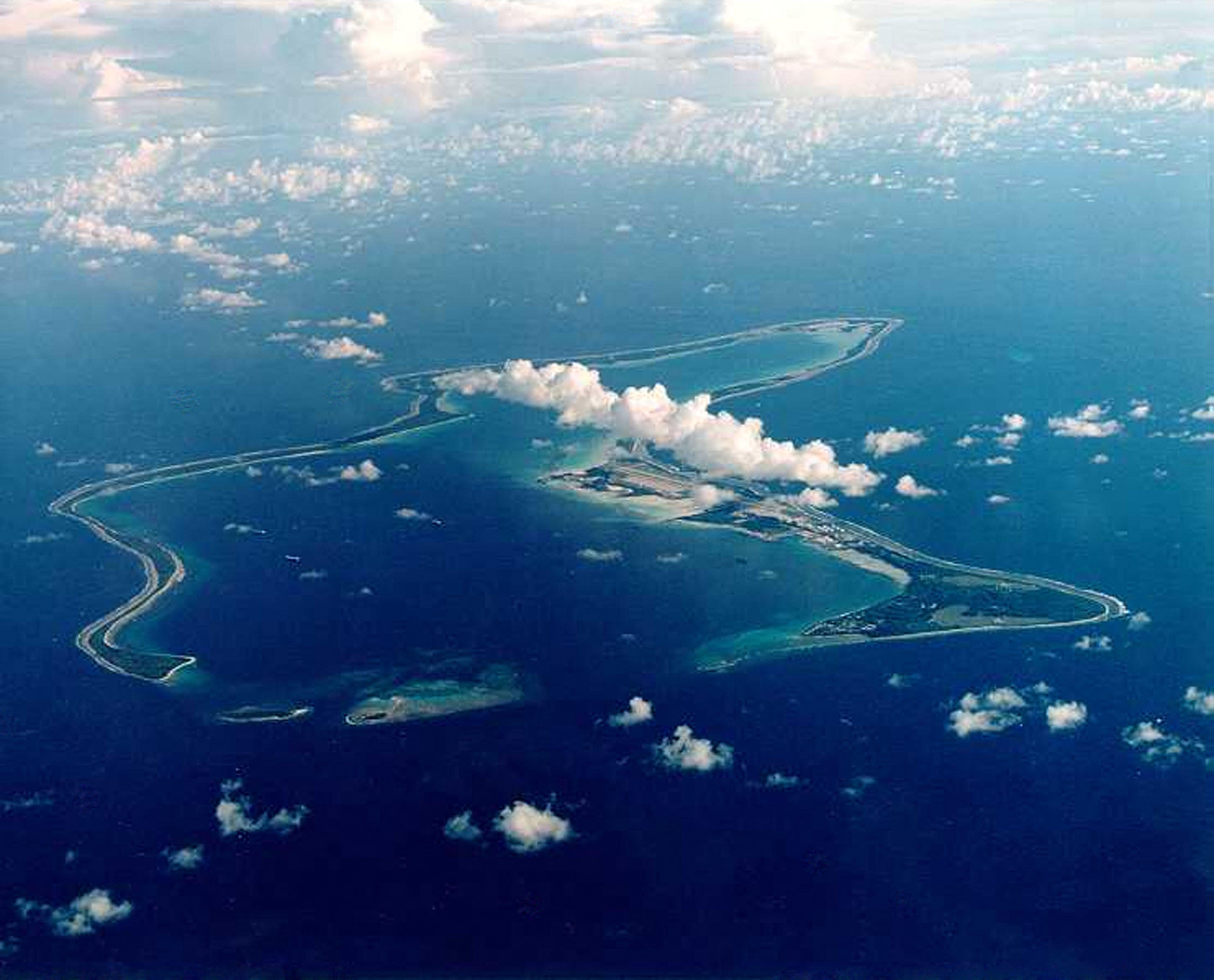
Iran used two powerful ballistic missiles to target a military base in the Indian Ocean. This base is shared by American and British forces. While the missiles traveled a very long distance, reports indicate they did not hit their intended target. In a separate event, the Iranian government claimed that the United States and Israel attacked the Natanz nuclear site. This facility is used for enriching uranium, which is a process needed for both nuclear power and weapons. Fortunately, officials say there were no dangerous leaks of radiation after the strike.
In the early hours of the morning, Israel sent its military to strike the heart of Tehran, Iran's capital city. This was a direct response to Iran firing at least four sets of missiles toward Jerusalem around midnight. The back-and-forth strikes show that both nations are now targeting each other’s major cities directly.
Important Numbers and Facts
The missiles fired by Iran traveled approximately 4,000 kilometers, which is a significant distance for their military technology. In Jerusalem, residents faced four separate waves of missile attacks within a short period. On the economic side, the U.S. government has decided to allow oil that is already loaded on ships to be sold, even if it comes from Iran. This is an attempt to lower the price of gas for people around the world while the Strait of Hormuz remains blocked. The Strait of Hormuz is a narrow water path where a large portion of the world's oil passes through every day.
Background and Context
The relationship between Iran, Israel, and the United States has been bad for many years, but it has rarely been this violent. Usually, these countries fight through other groups or in smaller ways. Now, they are attacking each other’s mainlands. The United Kingdom has also stepped in, giving the U.S. permission to use British bases to stop Iran from attacking ships. This is important because the world relies on these ships to carry food and fuel. If the ships cannot move safely, prices for basic goods go up everywhere.
Public or Industry Reaction
Military experts are worried about the long range of Iran's new missile strikes. It shows that bases previously thought to be safe are now within reach. Energy experts are focused on the U.S. decision to lift some oil sanctions. They believe this shows how desperate the situation has become for the global economy. If oil cannot flow freely, many countries could face a financial crisis. Within Iran, state-linked news agencies have been quick to report on the attacks, using them to show that the country is under threat from foreign powers.
What This Means Going Forward
The next few days will be critical for the region. If Israel and Iran continue to hit each other’s capital cities, a full-scale war is likely. The safety of nuclear sites like Natanz is a top priority for the international community, as any damage there could cause a health crisis for millions of people. We can also expect to see more military ships in the Indian Ocean and near the Strait of Hormuz to protect trade. For regular people, the most immediate effect will be seen at the gas pump, as the world waits to see if the new oil rules will help lower prices.
Final Take
The situation has moved into a very serious phase where long-range weapons and capital cities are the main focus. The involvement of the U.S. and UK in the Indian Ocean shows that this is a global problem, not just a local one. While the U.S. is trying to ease the economic pain by allowing some oil sales, the military tension remains at an all-time high. The world is now watching to see if leaders can find a way to stop the fighting before it spreads even further.
Frequently Asked Questions
Why did the U.S. lift some oil sanctions on Iran?
The U.S. lifted sanctions on oil that was already on ships to help lower global fuel prices. Because the war has blocked important shipping routes, the price of oil has gone up, and this move is meant to increase the supply of fuel available to the world.
Was there a nuclear leak at the Natanz facility?
According to the Iranian Atomic Energy Agency, there were no radioactive leaks following the reported attack on the Natanz uranium enrichment plant. The facility remains under watch, but officials say it is currently safe.
How far can Iran's missiles travel?
The recent attack in the Indian Ocean showed that Iran’s ballistic missiles can travel at least 4,000 kilometers. This range allows them to target military bases and ships far away from their own borders.