Summary
Iran has announced that it will only negotiate with the United States if a ceasefire is reached in Lebanon. This comes as Israel and the group Hezbollah continue to trade heavy fire across the border. Meanwhile, U.S. President Donald Trump has issued a stern warning to Iran regarding a new tax on ships passing through a vital sea route. These events show how the conflict is growing and affecting international trade and regional safety.
Main Impact
The biggest impact of these developments is the link between different war zones. Iran is making it clear that the fighting in Gaza and Lebanon cannot be separated from its own talks with the U.S. government. By demanding a ceasefire in Lebanon as a condition for peace talks, Iran is putting pressure on the U.S. to influence Israel’s military actions. At the same time, the threat of a new shipping tax in the Strait of Hormuz could cause global oil prices to rise, affecting people all over the world.
Key Details
What Happened
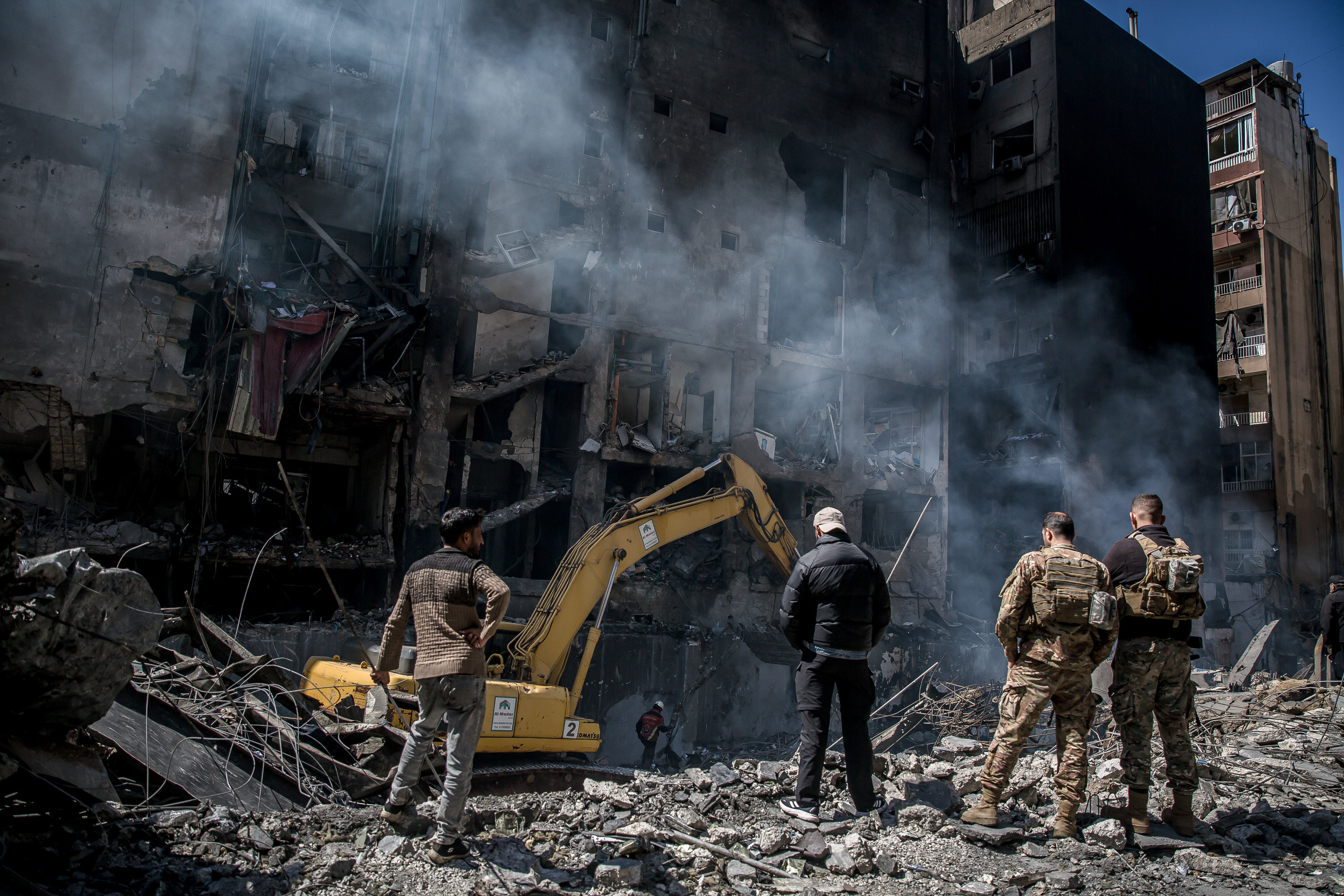
On Friday, the Iranian government stated that any future talks with the United States depend on stopping the war on all fronts. Ismail Bagaei, a spokesperson for Iran’s Foreign Ministry, specifically pointed to Lebanon as a priority. This statement follows several days of intense Israeli air strikes against Hezbollah targets. In response, Hezbollah has continued to fire rockets into Israel. While this fighting goes on, Israeli Prime Minister Benjamin Netanyahu mentioned that there have been early talks about disarming Hezbollah, though no final agreement is in sight.
Important Numbers and Facts
The Strait of Hormuz is one of the most important water passages in the world. About 20% of the world's total oil supply passes through this narrow area. Iran’s plan to charge a fee or tax to ships using this route has caused immediate concern in Washington. President Trump used his social media platform, Truth Social, to tell Iran to stop this plan immediately. In Pakistan, the government has moved the army into the capital city, Islamabad, to keep order as tensions rise across the Middle East. This shows that the fear of a larger war is spreading far beyond the borders of Israel and Iran.
Background and Context
To understand why this is happening, it is important to know the relationship between these groups. Iran supports Hezbollah, a powerful armed group in Lebanon. Israel views Hezbollah as a major threat to its safety. For months, Israel and Hezbollah have been fighting, but the intensity has increased recently. Iran often uses its influence over groups like Hezbollah to gain leverage when talking to the United States. The Strait of Hormuz is another tool Iran uses. Because so much oil moves through that area, any threat to the ships there makes the global economy nervous. President Trump has historically taken a very tough stance against Iran, using sanctions and direct warnings to try and change their behavior.
Public or Industry Reaction
The reaction to these events has been one of high alert. Shipping companies are worried that a new tax or more fighting in the sea will make it too expensive or dangerous to move goods. In the political world, many leaders are watching to see if the U.S. will actually push Israel for a ceasefire in Lebanon. Some experts believe that Iran is using the shipping tax as a way to force the U.S. to the bargaining table. In Pakistan, the sudden increase in security shows that neighboring countries are worried about civil unrest or protests linked to the war.
What This Means Going Forward
In the coming days, the focus will be on whether the U.S. responds to Iran’s demands. If the U.S. does not help secure a ceasefire in Lebanon, Iran may follow through with its plan to tax ships in the Strait of Hormuz. This could lead to a direct confrontation between the U.S. Navy and Iranian forces. There is also the question of the "direct talks" mentioned by Netanyahu. If Hezbollah actually considers giving up its weapons, it would be a massive change for the region. However, as long as the bombs are falling, true negotiations remain very difficult to start.
Final Take
The situation has reached a point where local battles are turning into a global economic and political problem. Iran is using every tool it has, from military groups in Lebanon to control over sea routes, to protect its interests. The world is now waiting to see if the U.S. will use diplomacy to calm the situation or if the strong warnings from President Trump will lead to more conflict. Peace seems far away as both sides continue to set hard conditions for even sitting down to talk.
Frequently Asked Questions
Why does Iran want a ceasefire in Lebanon?
Iran supports Hezbollah in Lebanon. By demanding a ceasefire there, Iran hopes to protect its ally from being destroyed by Israeli attacks and to use the situation as a bargaining chip with the United States.
What is the Strait of Hormuz?
It is a narrow waterway between the Persian Gulf and the Gulf of Oman. It is the most important path for oil tankers in the world. If it is blocked or taxed, oil prices usually go up everywhere.
What did President Trump say to Iran?
President Trump told Iran to stop their plan to tax ships in the Strait of Hormuz immediately. He warned them through social media that there would be consequences if they continued with the plan.