Summary
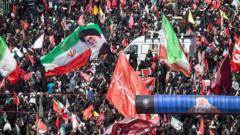
Massive crowds gathered in the Iranian city of Mashhad on Saturday to bury the country's late Supreme Leader, Ali Khamenei. His burial at the Imam Reza shrine, the holiest site for Shia Muslims in Iran, brought an end to six days of public mourning. The event drew millions of mourners from across the nation, marking a significant moment in Iran's modern history.
Main Impact
The burial of Ali Khamenei at the Imam Reza shrine in Mashhad represents the final chapter of a major political and religious transition in Iran. The massive turnout of mourners underscores the deep influence Khamenei held over the country for decades. His death and burial have set the stage for a new leadership era, with potential shifts in both domestic and foreign policy. The event also highlighted the strong connection between Iran's political leadership and its Shia religious identity.
Key Details
What Happened
Ali Khamenei, who served as Iran's Supreme Leader for over 35 years, was laid to rest at the Imam Reza shrine in Mashhad. The burial followed six days of public mourning ceremonies held across the country. The shrine is considered the holiest site in Shia Islam, attracting millions of pilgrims each year. The ceremony was attended by top government officials, military leaders, and religious figures.
Important Numbers and Facts
The burial took place on Saturday, July 10, 2026. Millions of mourners are estimated to have participated in the funeral processions in Mashhad. The Imam Reza shrine is located in northeastern Iran and is the largest mosque in the world by area. Khamenei's death marks the end of a leadership that began in 1989 after the death of Ayatollah Ruhollah Khomeini.
Background and Context
Ali Khamenei was Iran's second Supreme Leader, a position that gives him final say on all major state matters. He oversaw the country through periods of war, economic sanctions, and political change. The Imam Reza shrine holds deep religious meaning for Shia Muslims, as it is the burial place of Imam Reza, the eighth Shia imam. Khamenei's choice to be buried there links his political legacy directly to Iran's religious foundations. This event is a key moment in Iran's history, as the country now faces the challenge of selecting a new Supreme Leader.
Public or Industry Reaction
The burial drew enormous crowds of mourners, many of whom traveled long distances to pay their respects. State media showed scenes of people weeping and beating their chests in grief, a traditional sign of mourning in Shia culture. Some international observers noted the scale of the turnout as a sign of Khamenei's lasting influence. However, there were also reports of security forces managing large crowds to prevent any incidents. Outside Iran, reactions were mixed, with some governments expressing condolences while others remained cautious about the future.
What This Means Going Forward
With Khamenei's burial complete, Iran now enters a period of leadership transition. The Assembly of Experts, a body of clerics, is expected to select a new Supreme Leader. This process could take weeks or months and may involve internal political negotiations. The new leader will inherit a country facing economic challenges, international sanctions, and regional tensions. The choice of burial site also reinforces the importance of religious legitimacy in Iran's political system. The coming months will be closely watched by both domestic and international observers.
Final Take
The burial of Ali Khamenei at Iran's holiest Shia site closes a long chapter in the country's history. The massive public turnout shows the deep respect many Iranians held for him. But it also opens a new and uncertain period for the nation. How Iran handles this leadership change will shape its future for years to come.
Frequently Asked Questions
Where was Ali Khamenei buried?
Ali Khamenei was buried at the Imam Reza shrine in Mashhad, Iran. This is the holiest site in Shia Islam and the burial place of Imam Reza.
How long did the mourning period last?
The public mourning ceremonies lasted for six days before the burial took place on Saturday, July 10, 2026.
What happens next after Khamenei's death?
Iran's Assembly of Experts will select a new Supreme Leader. This process involves senior clerics and could take weeks or months to complete.