
Summary
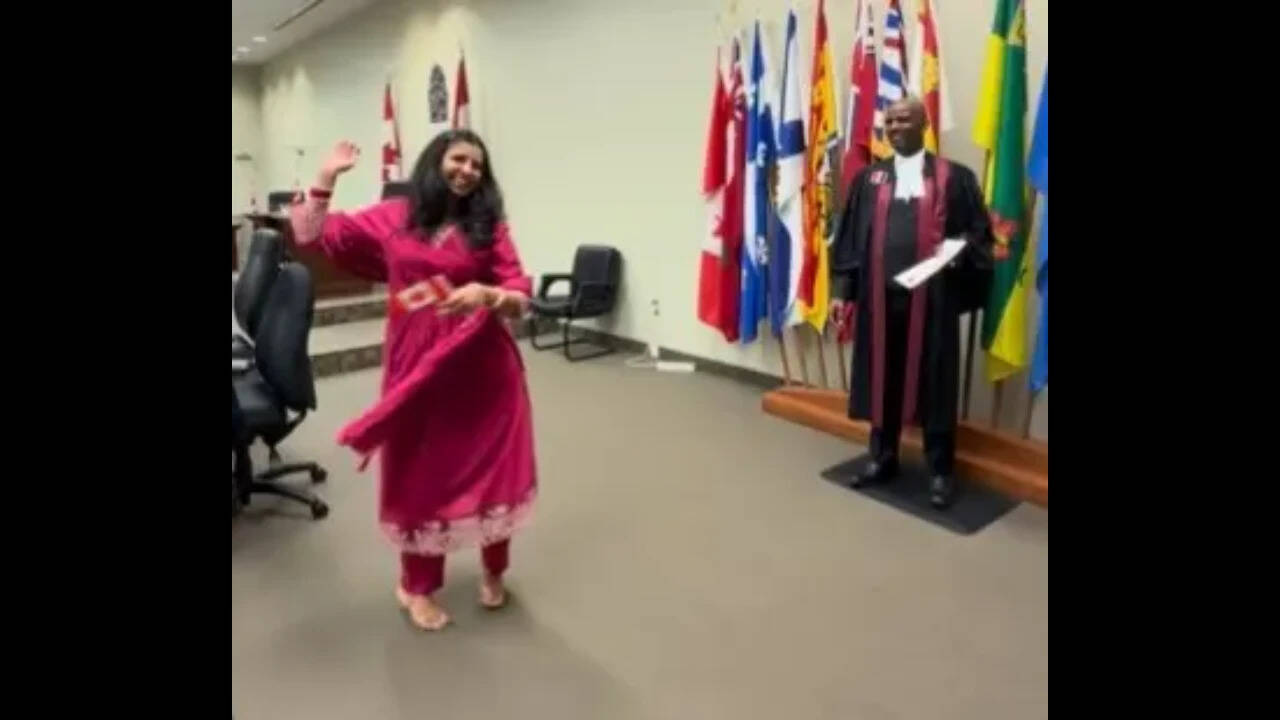
A video showing a woman performing a traditional Indian dance move during a Canadian citizenship ceremony has gone viral, sparking a massive debate online. The woman did a quick Garba step, a folk dance from Gujarat, as she walked up to receive her official papers. While some viewers saw it as a joyful expression of her dual identity, many others criticized the act as being "cringe" or disrespectful to the formal event. The incident has brought fresh attention to the large number of people leaving India for lives in Western countries.
Main Impact
The primary impact of this event is the heated conversation it has started regarding immigration and cultural behavior. It has highlighted a divide in how people view the Indian diaspora. On one side, critics argue that if people are so eager to leave India for better opportunities, they should follow the formal social rules of their new home. On the other side, supporters believe that becoming a citizen is a life-changing moment that deserves a personal and happy celebration. This clash of opinions shows the tension between maintaining one's original culture and fitting into a new society.
Key Details
What Happened
The event took place during a standard citizenship ceremony in Canada, where immigrants officially become Canadian citizens. As the woman’s name was called, she walked toward the officials. Instead of simply walking up and shaking hands, she performed a brief Garba move. Garba is a high-energy, rhythmic dance usually performed during festivals in India. A video of the moment was shared on social media platforms like X and Instagram, where it quickly gathered millions of views and thousands of comments.
Important Numbers and Facts
India continues to see a high rate of migration, with Canada being one of the most popular destinations for Indian students and professionals. According to recent data, hundreds of thousands of Indians move to Canada every year in search of better jobs, healthcare, and education. The viral video became a focal point for people to discuss these migration trends. Many comments on the post used the phrase "Indians doing everything to escape India," which refers to the idea that people are desperate to leave the country but still hold onto their cultural habits in ways that some find loud or out of place.
Background and Context
To understand why this dance move caused such a stir, it is important to look at the current state of migration in India. Many young people feel that the competition for jobs and the quality of life in India make it necessary to move abroad. This movement of talented people is often called "brain drain." When these immigrants move to countries like Canada, the UK, or the USA, they often form large communities where they continue to practice their traditions. However, there is an ongoing debate about how much of that culture should be displayed during official government events, which are usually very quiet and serious.
Public or Industry Reaction
The reaction to the video was split into two very different groups. One group of social media users felt the woman was being "attention-seeking" and that her actions were embarrassing to other Indians living abroad. They argued that a citizenship ceremony is a solemn occasion that requires a certain level of decorum. Some users commented that if people love their culture so much, they should have stayed in the country where that culture started.
The second group defended the woman, stating that she was simply expressing her happiness. They argued that Canada is a multicultural country that encourages people to bring their own traditions. These supporters pointed out that many people from different backgrounds celebrate their citizenship in unique ways, and a five-second dance move does not harm anyone. They believe that being a proud Canadian and a proud Indian are not two things that should be in conflict.
What This Means Going Forward
This incident will likely lead to more discussions about the rules of behavior at public ceremonies. While it is unlikely that Canada will ban such expressions, the social pressure from within the immigrant community might change how people act. It also serves as a reminder of the deep emotions involved in migration. For many, leaving their home country is a difficult choice made for survival or success, and the way they express their identity in a new land will always be a sensitive topic. As more people move across borders, these cultural clashes on social media are expected to become more common.
Final Take
The controversy over a simple dance move shows that the conversation about immigration is about much more than just paperwork. It is about how people fit into new societies while holding onto who they are. Whether one sees the dance as a happy celebration or an embarrassing act, it clearly shows the complex feelings people have about leaving their homeland and starting over in a new country. The debate is a reflection of a world that is becoming more connected but still struggles with how to blend different cultures in formal spaces.
Frequently Asked Questions
Why did the woman dance during the ceremony?
She performed a Garba move to celebrate her excitement and joy upon becoming a Canadian citizen. It was a way to show her cultural heritage during a major life milestone.
What is Garba?
Garba is a traditional folk dance from the state of Gujarat in India. It is usually performed in circles during the nine-day Hindu festival of Navratri.
Why were people angry about the video?
Critics felt the dance was inappropriate for a formal government event. Some also used the video to complain about the high number of Indians leaving India to live in Western countries.

