
Summary
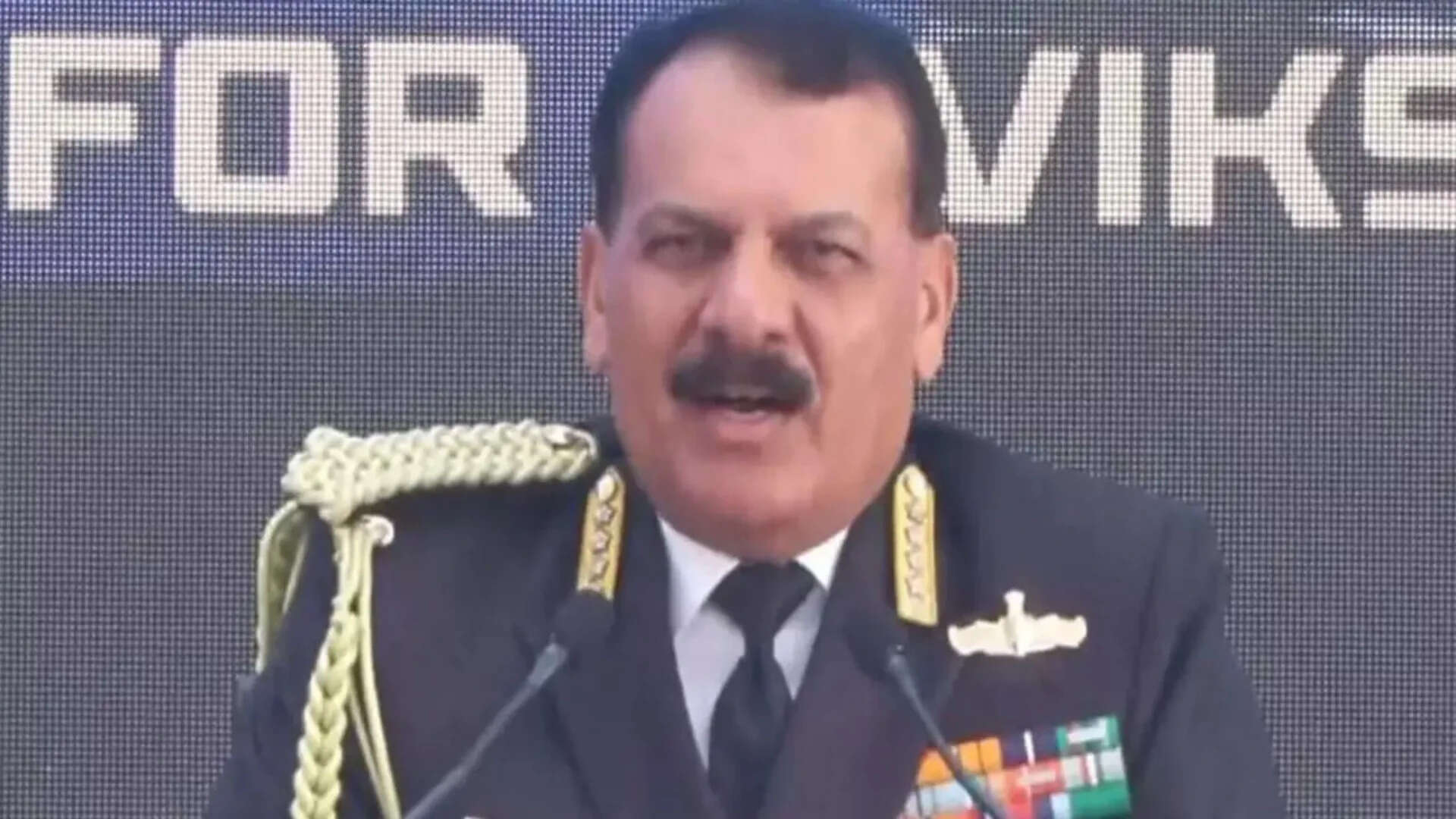
The Indian Navy has reached a major turning point in how it protects the country’s waters. Admiral Dinesh K Tripathi, the Chief of the Naval Staff, recently stated that the force is at an "inflection point" due to rapidly changing security threats. New challenges, such as drone attacks and a stronger foreign presence in the Indian Ocean, are forcing the Navy to modernize quickly. This shift is necessary to ensure that India remains a dominant and safe power in the region.
Main Impact
The primary impact of this shift is a total change in how the Navy prepares for war and peace. The rise of "asymmetric threats"—where smaller groups use cheap technology to attack large ships—has changed the rules of sea combat. Because of this, the Navy is moving away from just buying big ships and is instead focusing on high-tech defense systems, artificial intelligence, and drones. This change ensures that the Navy can protect trade routes that are vital for India’s economy.
Key Details
What Happened
Admiral Tripathi highlighted that the traditional ways of monitoring the sea are no longer enough. In the past, the Navy mostly worried about other large navies. Today, the danger comes from many directions. For example, the Red Sea has become a dangerous zone where merchant ships are targeted by rebels using missiles and drones. At the same time, piracy has returned to parts of the Indian Ocean, requiring the Navy to send more ships on rescue missions. The Admiral emphasized that the Navy must be "combat-ready" at all times to handle these unpredictable events.
Important Numbers and Facts
The Indian Navy has set a clear goal to be completely self-reliant by the year 2047. Currently, dozens of ships and submarines are under construction, and almost all of them are being built in Indian shipyards. This move toward local production is meant to reduce dependence on foreign countries. Additionally, the Navy has increased its patrols in the North and Central Arabian Sea, sometimes deploying over ten warships at once to stop piracy and drone strikes. These operations show that India is now acting as a "first responder" for emergencies at sea.
Background and Context
The Indian Ocean is one of the busiest and most important waterways in the world. Most of India’s trade and energy supplies travel across these waters. If these routes are blocked or become too dangerous, the cost of goods like oil and electronics would go up for everyone. Over the last few years, the presence of the Chinese Navy in the region has also grown, creating a need for India to keep a closer watch on its maritime borders. The "inflection point" mentioned by the Admiral refers to the moment where the Navy must choose to either evolve with new technology or risk falling behind.
Public or Industry Reaction
Defense experts and industry leaders have reacted positively to the Navy's focus on self-reliance. Many believe that building ships locally will create thousands of jobs and help the Indian economy grow. However, some analysts point out that the Navy needs a bigger share of the national budget to meet its goals. There is also a strong call from the tech industry to work more closely with the military to develop better software and sensors that can detect small drones before they hit their targets.
What This Means Going Forward
In the coming years, we can expect to see the Indian Navy using more unmanned vehicles, both in the air and under the water. The focus will shift toward "smart" ships that use data to predict threats. The Navy will also likely strengthen its partnerships with other friendly nations to share information about ship movements. The ultimate goal is to create a force that is not just large in size, but also highly advanced and capable of stopping any threat before it reaches India's shores.
Final Take
The Indian Navy is no longer just a coastal guard; it is becoming a powerful force capable of handling modern, high-tech warfare. By acknowledging this turning point, the leadership is making sure the country is prepared for the dangers of tomorrow. Staying ahead of pirates, drones, and rival navies will require constant innovation and a strong commitment to building tools at home. The safety of India’s trade and its standing in the world depend on the success of this mission.
Frequently Asked Questions
What does "inflection point" mean for the Navy?
It means the Navy is at a critical stage where it must change its strategy and technology to handle new types of threats that didn't exist a few years ago.
Why are drones a big problem for warships?
Drones are cheap and easy to fly, but they can carry explosives that damage expensive ships. They are often hard to see on traditional radar, making them a difficult challenge to stop.
What is the "Atmanirbhar" goal for 2047?
It is India's plan to make the Navy 100% self-reliant. This means all ships, weapons, and technology used by the Navy would be designed and built inside India.



