
Summary
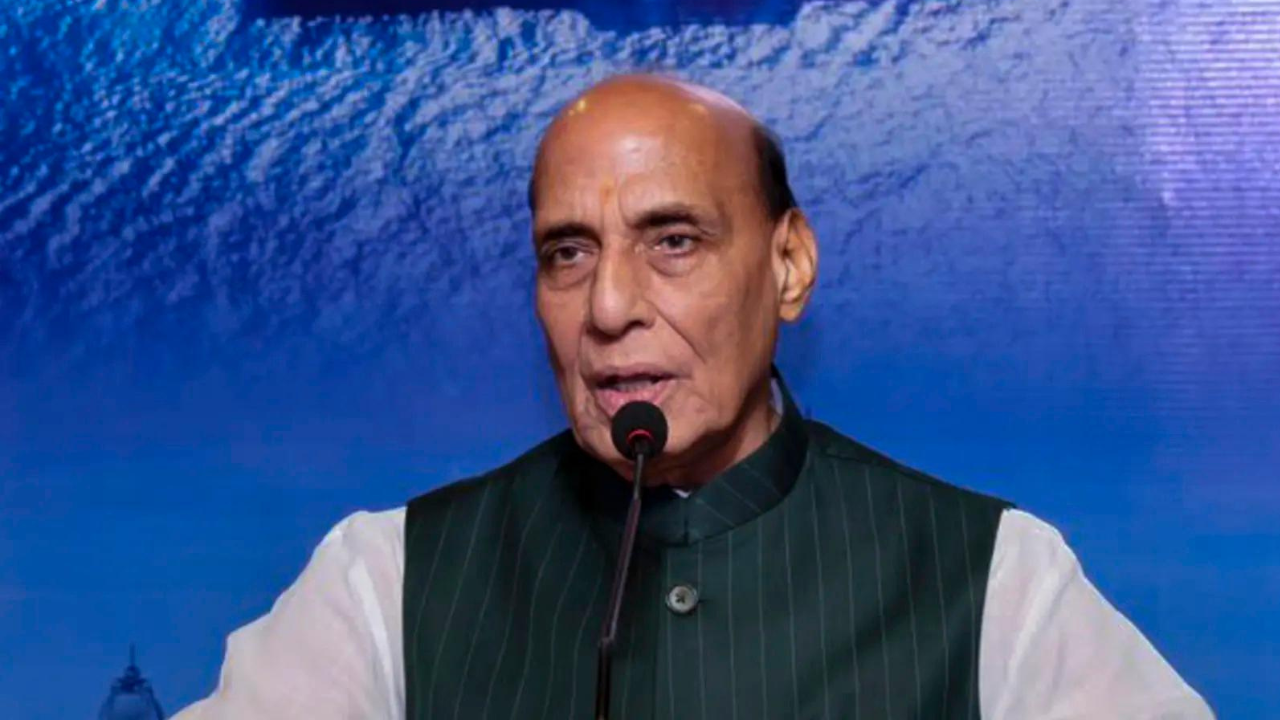
Defence Minister Rajnath Singh has called the Indian Navy more than just a fighting force, describing it as a guardian of India's economy. Speaking about recent operations in West Asia, he highlighted how the Navy protects vital trade routes and national interests. The minister also stressed India's growing role in the Indo-Pacific region and the country's push to become a global hub for shipbuilding and maritime defence.
Main Impact
The Indian Navy's role has expanded beyond traditional military duties. According to Rajnath Singh, the Navy now acts as a shield for India's economic growth. Recent missions in West Asia showed how naval forces secure shipping lanes and trade corridors that are critical for the country's economy. This shift positions the Navy as a key player in both national security and economic stability.
Key Details
What Happened
Defence Minister Rajnath Singh made these remarks while addressing a gathering. He praised the Navy's quick response to threats in West Asia, where tensions have affected global shipping. The minister said the Navy's actions protected Indian cargo and ensured the smooth flow of trade. He also noted that the Indo-Pacific region has become a global hotspot, with India emerging as a trusted security partner.
Important Numbers and Facts
Singh did not provide specific figures, but he highlighted the Navy's growing fleet and operational reach. India is investing heavily in building new warships and submarines. The government aims to increase domestic shipbuilding capacity to reduce reliance on foreign suppliers. The Indo-Pacific region, where India operates, handles over half of the world's maritime trade.
Background and Context
The Indian Navy has long been responsible for protecting the country's 7,500-kilometer coastline. But its role has grown in recent years as global trade routes become more contested. The Indo-Pacific region, stretching from the east coast of Africa to the Pacific Islands, is now a focus for many nations. India wants to be seen as a net security provider, meaning it helps keep the region stable rather than just defending its own borders. This includes working with other countries to fight piracy, secure shipping lanes, and respond to natural disasters.
Public or Industry Reaction
Defence experts and analysts have welcomed the minister's comments. Many see the Navy's expanded role as a natural step for a growing economy like India. Industry leaders in shipbuilding have also expressed support. They believe the government's push for local manufacturing will create jobs and boost technology development. However, some critics point out that India still relies on foreign parts for many naval systems, and more work is needed to achieve full self-reliance.
What This Means Going Forward
India's focus on the Navy and shipbuilding is likely to continue. The government has already announced plans to build more advanced warships and submarines. This will help India reduce its dependence on other countries for defence equipment. At the same time, the Navy will keep playing a bigger role in protecting trade routes, especially in the Indo-Pacific. This could lead to stronger partnerships with other nations that share similar security concerns. The main risk is the high cost of building and maintaining a modern navy, but the government sees it as a necessary investment for long-term economic growth.
Final Take
Rajnath Singh's statement makes clear that the Indian Navy is no longer just a military force. It is now a key part of India's economic strategy. By protecting trade routes and building ships at home, the Navy helps keep the economy strong. As global attention stays on the Indo-Pacific, India's naval role will only grow. The challenge will be balancing costs with the need for a modern, capable fleet.
Frequently Asked Questions
What did Rajnath Singh say about the Indian Navy?
He said the Navy is not just a fighting force but also a guardian of India's economy. He praised its role in protecting trade routes and national interests, especially in West Asia and the Indo-Pacific region.
Why is the Indo-Pacific region important for India?
The Indo-Pacific region handles a large share of global trade. India wants to be a net security provider there, meaning it helps keep the area stable and safe for shipping. This protects India's own economic interests and builds trust with other countries.
How is India improving its shipbuilding capacity?
The government is investing in building more warships and submarines at home. It wants to reduce reliance on foreign suppliers and become a global hub for maritime defence. This includes working with private companies and improving local technology.



