
Summary
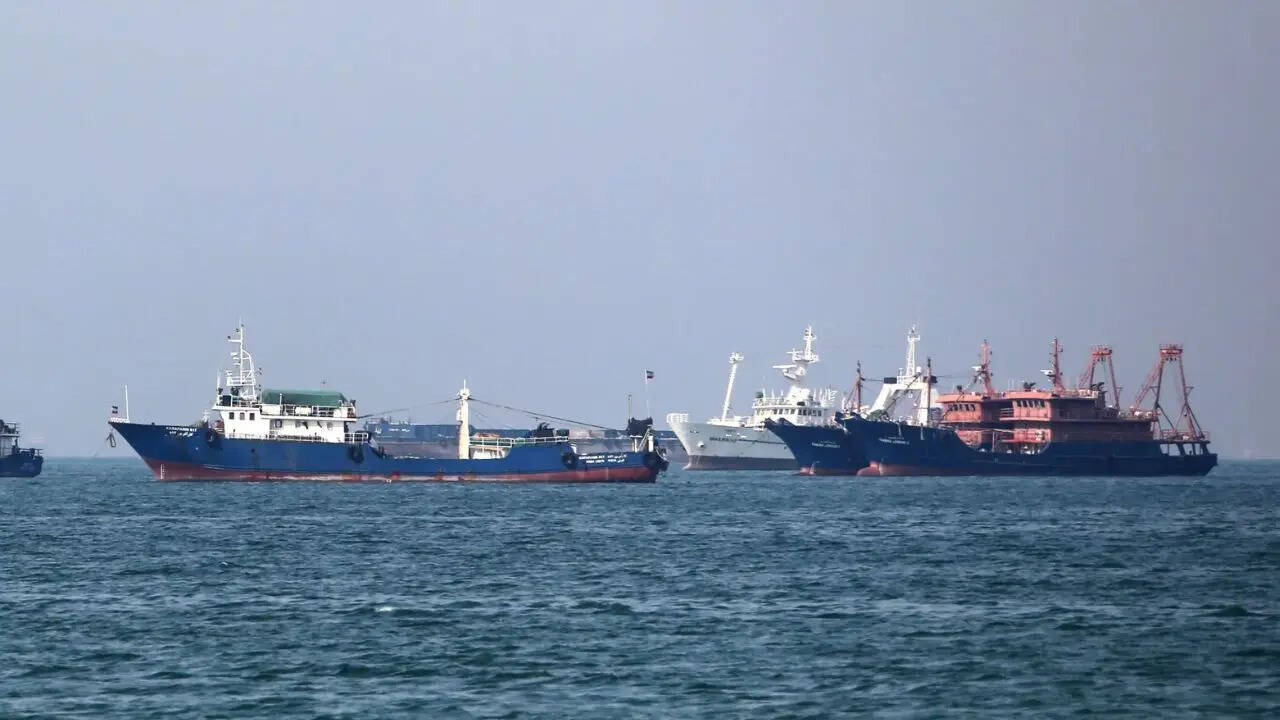
India has taken a firm stand at the United Nations regarding the safety of commercial ships in the Strait of Hormuz. Ambassador Harish P told the international community that targeting merchant vessels is completely unacceptable and must stop immediately. This statement comes as a response to growing threats in one of the world's most important trade routes. India highlighted that maritime security is not just a local issue but a vital part of global economic stability and energy security.
Main Impact
The main impact of India’s statement is a call for global cooperation to protect the flow of goods and energy. When commercial ships are threatened, it creates a ripple effect that touches almost every part of the global economy. For India, the safety of these waters is directly linked to the price of fuel and the availability of essential goods. By speaking out at the UN, India is pushing for a return to stable and predictable maritime travel, which helps keep shipping insurance rates down and prevents sudden spikes in the cost of living for people around the world.
Key Details
What Happened
During a session at the United Nations, Ambassador Harish P represented India’s concerns about the Strait of Hormuz. He condemned recent attacks on civilian maritime activities and called for the immediate restoration of safe navigation. The Ambassador made it clear that commercial shipping should never be a target in political or military disputes. He explained that the freedom of navigation is a basic right that all nations must respect to ensure that global trade continues without fear of violence or illegal seizures.
Important Numbers and Facts
The Strait of Hormuz is a narrow but powerful waterway. It is only about 21 miles wide at its narrowest point, yet it carries roughly one-fifth of the world's total oil supply every day. For India, the numbers are even more significant. India imports more than 80% of its crude oil, and a large portion of that oil travels through this specific strait. Additionally, millions of tons of liquefied natural gas (LNG) pass through these waters to reach Indian ports. Any delay or danger in this area can lead to millions of dollars in losses for shipping companies and higher energy bills for millions of households.
Background and Context
The Strait of Hormuz connects the Persian Gulf with the Gulf of Oman and the Arabian Sea. Because it is so narrow, it is often called a "chokepoint." If this path is blocked or becomes too dangerous, ships have very few other options to move oil and goods out of the Middle East. Over the last few years, the region has seen various incidents, including the seizing of tankers and drone attacks on ships. These events have caused tension between different countries and have made the shipping industry very nervous. India has a long history of supporting international laws that keep the seas open to everyone. This is why India often refers to the United Nations Convention on the Law of the Sea (UNCLOS), which sets the rules for how oceans should be used.
Public or Industry Reaction
The shipping industry has welcomed India's strong words. Ship owners and maritime unions have been worried about the safety of their crews. Many Indian sailors work on international vessels, and their families are often concerned when ships pass through high-risk zones. Economic experts suggest that India’s diplomatic pressure is necessary to prevent a permanent increase in shipping costs. When a major economy like India speaks up, it encourages other nations to join the effort to patrol these waters and provide security for merchant ships. There is a general consensus that without clear rules and safety, the cost of global trade will continue to rise.
What This Means Going Forward
Looking ahead, India may increase its own naval presence in the region to protect its interests. The Indian Navy has already been active in the Indian Ocean and nearby seas to prevent piracy and assist ships in distress. We can expect more international meetings focused on maritime security. There might also be new agreements between nations to share information about threats in the water. The goal is to create a system where commercial ships can travel without needing military escorts every time they enter the Strait of Hormuz. If the situation does not improve, shipping companies might look for longer, more expensive routes, which would lead to higher prices for consumers everywhere.
Final Take
The safety of the Strait of Hormuz is a matter of global survival for the modern economy. India’s message at the UN serves as a reminder that the world cannot afford to let commercial shipping become a victim of conflict. Protecting these waters is about more than just ships; it is about protecting the livelihoods of people who depend on the steady flow of energy and goods. Clear communication and international cooperation are the only ways to ensure that the seas remain a safe place for trade and travel for all nations.
Frequently Asked Questions
Why is the Strait of Hormuz so important?
It is a key shipping lane where about 20% of the world's oil passes through. It is the main exit for oil coming from the Middle East to the rest of the world.
How do attacks on ships affect regular people?
When ships are attacked, shipping costs and insurance prices go up. This usually leads to higher prices for gasoline, electricity, and imported goods at the grocery store.
What is India's role in maritime security?
India uses its navy to patrol important sea routes and uses diplomacy at the United Nations to push for laws that keep the oceans safe and open for commercial trade.



