
Summary
The Indian government has officially rejected a new report from the United States Commission on International Religious Freedom (USCIRF). The report suggested that the United States should place sanctions on India’s national intelligence agency and a major social organization. Indian officials have called the report biased and an attempt to interfere in the country's internal matters. This disagreement highlights the ongoing tension between international watchdogs and India regarding human rights and religious freedom.
Main Impact
The primary impact of this development is a further cooling of relations between India and the USCIRF, an advisory body to the U.S. government. By recommending sanctions against the Research and Analysis Wing (RAW) and the Rashtriya Swayamsevak Sangh (RSS), the commission has taken a much harsher stance than in previous years. India’s firm rejection shows that the government will not accept foreign criticism that it views as unfair or politically motivated. This situation also puts pressure on the U.S. State Department to decide whether to follow these recommendations or maintain its strategic partnership with India.
Key Details
What Happened
The USCIRF released its latest annual report, which evaluates the state of religious freedom in various countries. In this report, the commission labeled India as a "Country of Particular Concern." This is a tag given to nations where the commission believes there are severe violations of religious rights. For the first time, the report went a step further by calling for targeted sanctions against specific Indian entities and individuals. The commission claims that these groups have played a role in policies that negatively affect religious minorities in India.
Important Numbers and Facts
The USCIRF is a bipartisan group created by the U.S. government to monitor religious freedom around the world. However, its reports are not legally binding. The U.S. State Department is the body that actually decides on sanctions and official foreign policy. Over the last few years, the commission has repeatedly asked the State Department to blackball India, but the U.S. government has consistently ignored these requests to keep a good relationship with New Delhi. The report mentions specific concerns regarding citizenship laws and local security actions in various Indian states.
Background and Context
To understand this issue, it is important to know what the targeted groups do. The Research and Analysis Wing, known as RAW, is India’s foreign intelligence agency. It is responsible for national security and gathering information from outside the country. The Rashtriya Swayamsevak Sangh, or RSS, is a large volunteer organization that promotes Indian culture and values. It is also closely linked to the current ruling party in India.
For several years, the USCIRF has been critical of India’s domestic policies. They often point to laws like the Citizenship Amendment Act (CAA) and the removal of special status for Jammu and Kashmir as points of concern. India, on the other hand, argues that these are internal legal matters designed to improve security and governance. The Indian government believes that the USCIRF does not have a proper understanding of India’s diverse society and its legal system.
Public or Industry Reaction
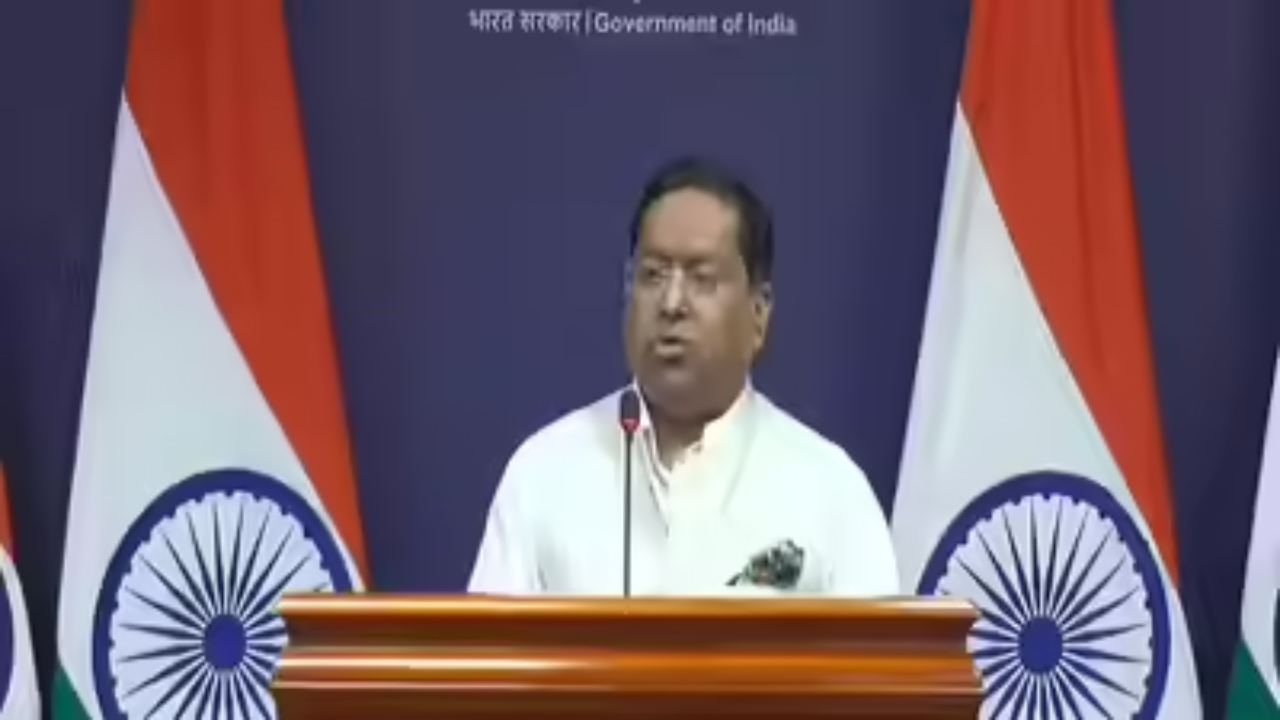
The Indian Ministry of External Affairs (MEA) issued a strong statement following the report's release. The ministry described the commission as a "biased organization with a political agenda." They argued that the report ignores the reality of how democracy works in India. Many political experts in India have also voiced their support for the government’s stance. They believe that foreign organizations should not try to influence the legal or security framework of a sovereign nation.
In the United States, some human rights groups have supported the commission’s findings, calling for more accountability. However, business leaders and diplomats often worry that such reports could hurt the growing trade and defense ties between the two countries. They argue that the partnership between the U.S. and India is too important to be damaged by these disagreements.
What This Means Going Forward
Looking ahead, it is unlikely that the U.S. State Department will actually impose sanctions on RAW or the RSS. The United States views India as a key partner in Asia, especially for trade and balancing regional power. Taking such a drastic step would likely cause a major diplomatic break between the two nations. However, the report will continue to be a point of friction. It provides a platform for critics of the Indian government to voice their concerns on a global stage.
India will likely continue to ignore the commission’s findings and refuse to grant its members visas to visit the country. The government has made it clear that it will only discuss human rights in international forums where it feels the conversation is fair and balanced. We can expect more strong statements from both sides as they navigate this difficult part of their relationship.
Final Take
The rejection of the USCIRF report by India is a clear sign of the country's growing confidence on the world stage. By standing firm against recommendations for sanctions, India is sending a message that its internal security and social structures are not open to foreign interference. While these reports cause temporary diplomatic tension, the deep economic and strategic ties between India and the United States are expected to remain the priority for both governments.
Frequently Asked Questions
What is the USCIRF?
The USCIRF is an independent, bipartisan commission created by the U.S. government. Its job is to monitor religious freedom globally and make policy recommendations to the U.S. President and the State Department.
Why did India reject the report?
India rejected the report because it believes the findings are biased, inaccurate, and interfere with its national sovereignty. The government argues that the commission does not understand India's laws or its pluralistic culture.
Will the U.S. actually sanction India?
It is very unlikely. While the USCIRF recommends sanctions, the U.S. State Department makes the final decision. The U.S. government usually prioritizes its strategic and economic partnership with India over these recommendations.



