
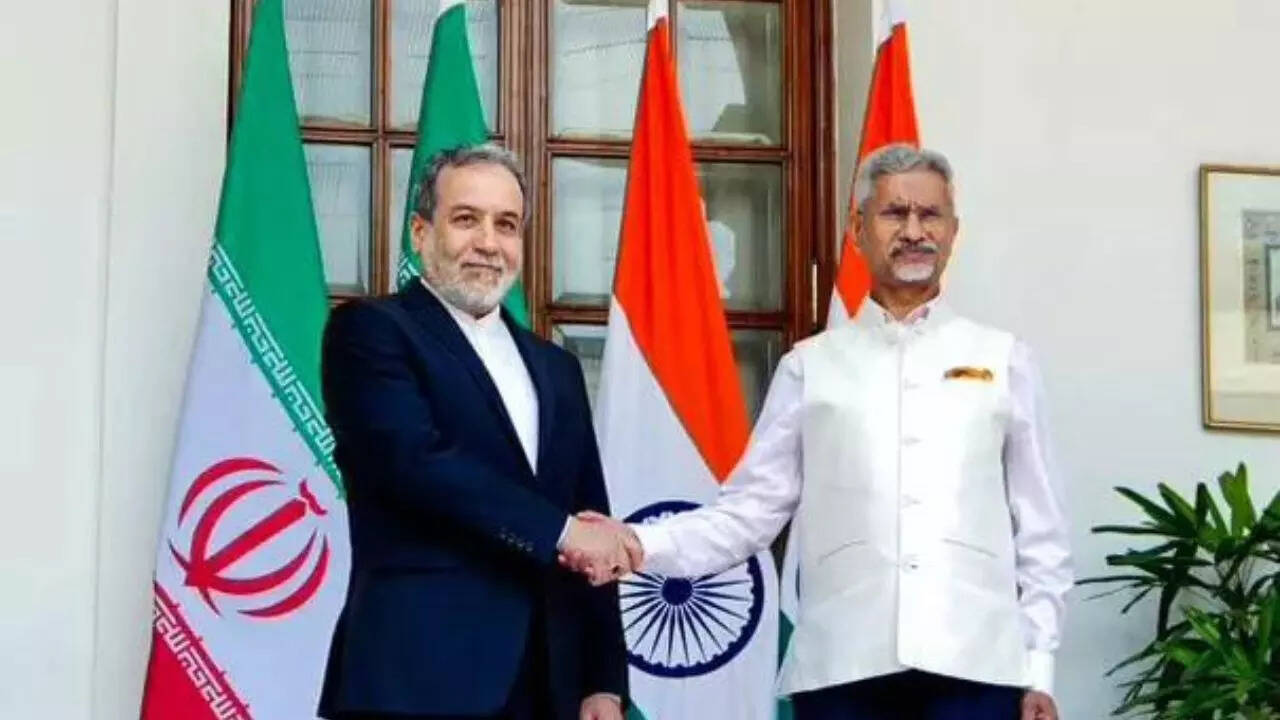
Summary
India and Iran are maintaining high-level diplomatic contact as the situation in the Middle East remains highly unstable. External Affairs Minister S. Jaishankar recently held his fourth phone conversation with Iranian Foreign Minister Abbas Araghchi since the current regional conflict began. The two leaders focused on their bilateral relationship and their shared interests within the BRICS group. This dialogue comes at a critical time when maritime security and regional peace are under serious threat from ongoing hostilities.
Main Impact
The primary impact of these talks is the maintenance of a diplomatic bridge between India and a key Middle Eastern power. For India, Iran is a vital partner for trade, energy, and regional connectivity. Any disruption in the Middle East directly affects India’s economy and the safety of its citizens working in the region. By keeping the lines of communication open, India aims to protect its shipping routes and ensure that regional tensions do not boil over into a larger war that could hurt global markets and domestic fuel prices.
Key Details
What Happened
During the phone call, the two ministers reviewed the progress of their bilateral ties. They discussed how to strengthen cooperation in areas like trade and infrastructure development. A major part of the conversation centered on the BRICS alliance, which Iran recently joined as a full member. Both countries see BRICS as a way to create a more balanced global system that is not dominated by a single power. They also touched upon the security of the Strait of Hormuz, which is one of the most important shipping lanes in the world for energy transport.
Important Numbers and Facts
This was the fourth official call between Jaishankar and Araghchi since the war broke out, showing a high frequency of contact. The Strait of Hormuz is a narrow waterway where about 20% of the world's total oil consumption passes through every day. During the talks, Iran expressed its view that the presence of United States forces is a major cause of instability in these waters. India, meanwhile, continues to focus on the Chabahar Port in Iran. This port is a strategic project that allows Indian goods to reach Central Asia and Russia by bypassing land routes through Pakistan.
Background and Context
The Middle East has been in a state of crisis for several months, leading to deep concerns about a wider regional war. India has traditionally maintained a careful balance, keeping good relations with both Israel and Iran. This makes India’s diplomatic position very delicate but also very important. The safety of the Red Sea and the Persian Gulf is a top priority for New Delhi. If these shipping routes become too dangerous, the cost of moving goods to Europe and the Americas will rise sharply. This would lead to higher prices for everyday items and energy for people in India.
Public or Industry Reaction
International observers see India’s active diplomacy as a sign of its growing role as a global mediator. While many Western nations have placed heavy sanctions on Iran, India continues to engage with Tehran to secure its own national interests. Within India, leaders in the shipping and energy sectors have welcomed these high-level talks. They believe that direct communication with Iranian leaders is the best way to ensure that Indian-flagged vessels and Indian sailors are not caught in the crossfire of ongoing maritime skirmishes.
What This Means Going Forward
Looking ahead, we can expect more frequent meetings and calls between Indian and Iranian officials. The focus will likely remain on the completion of the Chabahar Port project and the expansion of trade under the BRICS framework. However, India will have to be careful to maintain its "strategic autonomy." This means it must continue to work with Iran without upsetting its partners in the West or damaging its growing ties with Israel. The ultimate goal for Indian diplomacy will be to promote a reduction in violence while keeping vital trade routes open for business.
Final Take
The ongoing dialogue between India and Iran shows that direct communication is the most effective tool during a crisis. By focusing on mutual interests like trade and maritime safety, both nations are trying to find a path toward stability in a very volatile part of the world. India’s ability to talk to all sides of the conflict is a major diplomatic strength that could help prevent the regional situation from worsening.
Frequently Asked Questions
Why is the Strait of Hormuz important?
It is a narrow waterway that connects the Persian Gulf with the rest of the world. A huge portion of the world's oil and gas travels through this route, making it vital for global energy security and stable prices.
What is BRICS and why does it matter here?
BRICS is a group of major developing economies, including Brazil, Russia, India, China, and South Africa. Iran recently joined the group. It matters because it allows these countries to work together on trade and politics independently of Western systems.
How does the Middle East crisis affect India?
India imports a large amount of its oil from the Middle East and has millions of citizens working in the region. Any conflict can lead to higher fuel prices at home and put the safety of Indian workers at risk.



