
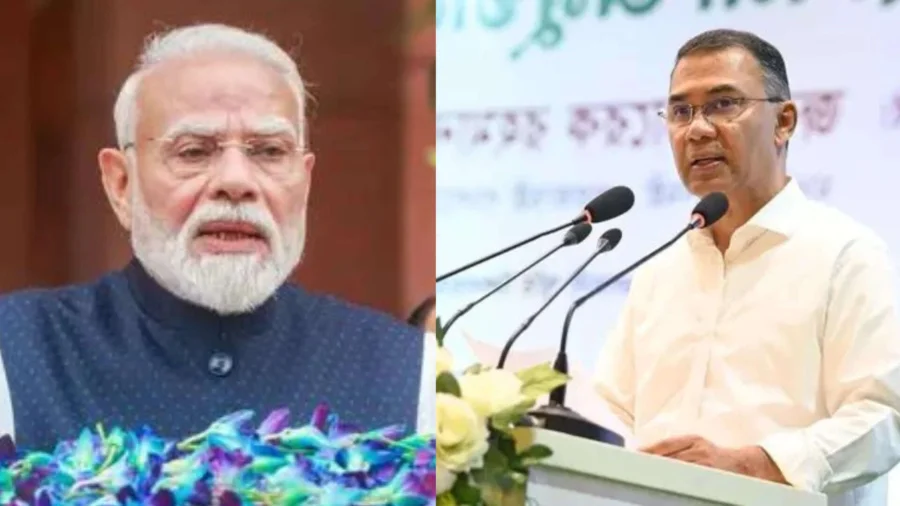
India's invitation to Bangladesh's interim government for the Brics Summit is a carefully calibrated diplomatic move — one that could either reset ties or expose the deep fractures in a relationship already strained by the presence of former Prime Minister Sheikh Hasina on Indian soil.
Why the invitation matters now
The Brics Summit, a platform for emerging economies, has become a stage for India to signal its willingness to engage with Bangladesh's new leadership. But the timing is delicate. Dhaka has publicly questioned New Delhi's decision to host Hasina, who fled Bangladesh after a political crisis. For India, the invitation is both an olive branch and a test of Bangladesh's diplomatic priorities.
The Hasina factor — a spoiler in the room
Sheikh Hasina's presence in India has been a persistent irritant. Bangladesh's interim government views it as interference in its internal affairs. Indian officials have maintained that Hasina's stay is humanitarian, but Dhaka sees it as a political shield. This unresolved issue now hangs over the Brics invitation, threatening to turn a multilateral summit into a bilateral standoff.
What the invitation means for Bangladesh
For Bangladesh's interim government, accepting the invitation would mean engaging with a neighbour it accuses of sheltering its former leader. Declining, however, would isolate Dhaka from a key global platform. The decision is a strategic dilemma: participation could legitimize India's role, while absence could weaken Bangladesh's international standing.
India's diplomatic calculus
New Delhi's outreach is not without risk. By inviting Dhaka, India hopes to decouple the Brics Summit from the Hasina controversy. But analysts warn that the move could backfire if Bangladesh uses the platform to raise the issue publicly. India is betting on diplomacy over confrontation, but the stakes are high.
What remains unclear
It is not yet known whether Bangladesh has accepted the invitation. Official statements from both sides are awaited. The exact terms of engagement — whether Hasina's status will be discussed bilaterally on the sidelines — also remain unconfirmed. Speculation that the summit could serve as a backchannel for resolving the Hasina issue is unverified.
Confirmed facts vs speculation
Confirmed: India has extended an invitation to Bangladesh's interim government for the Brics Summit. Confirmed: Sheikh Hasina is currently in India, and Dhaka has expressed displeasure. Unconfirmed: Whether Bangladesh will attend. Unconfirmed: Whether Hasina's status will be on the agenda. All other claims about secret negotiations or preconditions are speculative.
Risks and balanced view
Supporters of the invitation argue it keeps diplomatic channels open and prevents Bangladesh from drifting toward other powers like China. Critics say it rewards a government that has not fully addressed democratic concerns and risks legitimizing a political transition that remains contested. The Hasina issue adds a layer of moral and legal complexity that no summit can easily resolve.
Wider trend — India's neighbourhood strategy
This invitation fits a broader pattern of India using multilateral platforms to manage bilateral tensions. From Nepal to the Maldives, New Delhi has often turned to regional summits to reset relationships. The Brics Summit is the latest test of whether this strategy works with a neighbour in political flux.
What to watch for next
The coming days will reveal whether Bangladesh accepts the invitation and under what conditions. If Dhaka attends, the focus will shift to whether the Hasina issue is raised formally or quietly sidelined. If it declines, India will have to recalibrate its approach — possibly through bilateral talks or third-party mediation.
Our Take
India's invitation to Bangladesh for the Brics Summit is a necessary but risky diplomatic gesture. It acknowledges the reality of a new government in Dhaka while trying to insulate a multilateral forum from bilateral friction. But the Hasina shadow is long. Without a clear resolution on her status, the summit risks becoming a stage for confrontation rather than cooperation. For now, the ball is in Dhaka's court — and the outcome will shape not just the summit, but the future of India-Bangladesh ties.
Frequently Asked Questions
Why did India invite Bangladesh to the Brics Summit?
India extended the invitation to maintain diplomatic engagement with Bangladesh's interim government and to signal openness despite strained ties over former PM Sheikh Hasina's presence in India.
Has Bangladesh accepted the invitation?
No official confirmation has been made. Bangladesh's interim government is yet to announce its decision, and the matter remains under diplomatic discussion.
How does Sheikh Hasina's presence in India affect the invitation?
Dhaka views Hasina's stay in India as interference. The invitation is seen as a test of whether Bangladesh can separate bilateral grievances from multilateral cooperation.
What could happen if Bangladesh declines the invitation?
Declining could isolate Bangladesh from a key global platform and further strain ties with India. It may also push Dhaka closer to other powers like China, altering regional dynamics.



