
Summary
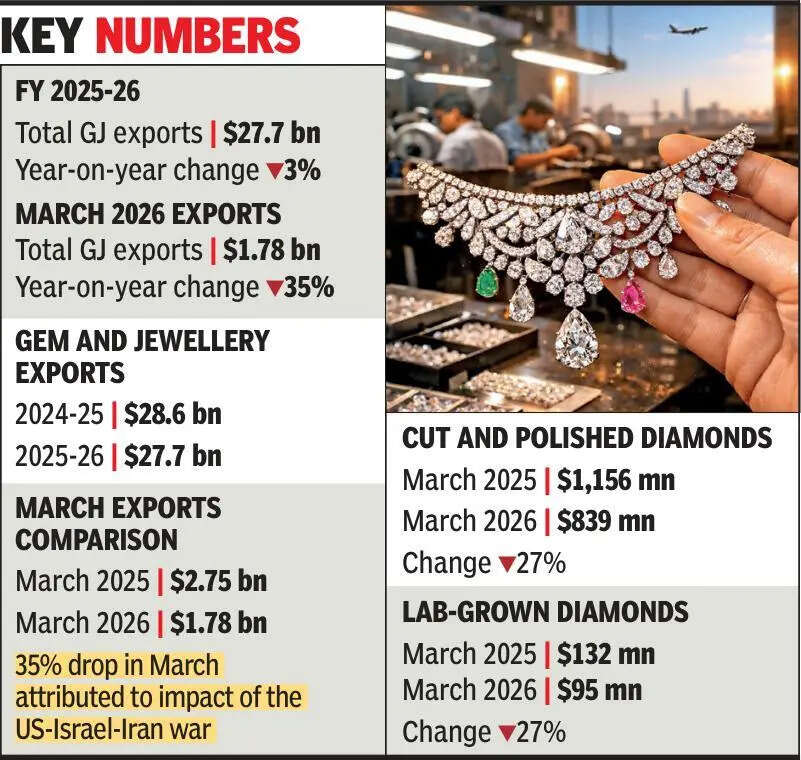
India's gem and jewellery sector is showing signs of steadying after a period of global uncertainty. While export numbers for March showed a decrease compared to previous months, the overall industry performance suggests a move toward stability. This trend is vital for the Indian economy, as the country remains a top player in the global diamond and gold markets. Business leaders are now looking at long-term growth as the industry adapts to changing buyer habits and new trade rules.
Main Impact
The primary impact of these latest figures is a sense of cautious relief for exporters and factory owners. For several months, the industry faced a sharp decline in demand from major international buyers. The recent stabilization means that the sharpest part of the fall may have ended. This provides a more predictable environment for businesses in major hubs like Surat and Mumbai, allowing them to plan their production and staffing levels with more confidence.
Key Details
What Happened
In the final month of the financial year, the total value of gems and jewellery sent to other countries saw a dip. This was largely expected due to high inflation in Western countries and a slow recovery in the Chinese market. However, the drop was not as severe as some experts had feared. The industry managed to maintain a steady flow of goods, particularly in the gold jewellery and lab-grown diamond categories, which helped balance the lower sales of natural diamonds.
Important Numbers and Facts
The total export value for the financial year reached a significant multi-billion dollar mark, even if it stayed below the record highs of previous years. Cut and polished diamonds continue to be the largest part of the trade, though their share has faced pressure. On the other hand, silver jewellery and synthetic diamonds have shown growth. Data shows that trade agreements with countries like the United Arab Emirates have started to show positive results, helping Indian products reach new customers with lower tax hurdles.
Background and Context
The gem and jewellery industry is one of India's biggest earners of foreign money. It employs millions of people, from highly skilled diamond cutters to creative jewellery designers. Over the last two years, the industry has faced several challenges. Global conflicts have disrupted the supply of raw diamonds from mines in Russia. At the same time, people in the United States and Europe have been spending less on luxury items because the cost of living has gone up. Understanding these global factors is key to knowing why the current stabilization is such an important milestone for Indian trade.
Public or Industry Reaction
Industry groups, such as the Gem and Jewellery Export Promotion Council, have noted that the sector is proving to be resilient. Many business owners believe that the worst of the global slowdown is now behind them. There is a general feeling that the industry needs to focus more on design and branding rather than just cutting stones. Some workers in the manufacturing sector remain worried about consistent pay, but the stabilizing export numbers offer hope that work will remain steady in the coming months. Government officials have also expressed support, looking for ways to make it easier for small businesses to export their goods through digital platforms.
What This Means Going Forward
Looking ahead, the industry is likely to see a shift in what it sells. Lab-grown diamonds are becoming more popular because they are more affordable for younger shoppers. India is positioning itself as a leader in this new technology. Additionally, the industry is trying to rely less on the US market by finding more buyers in the Middle East and Southeast Asia. The next few months will be a test of whether this stability can turn into actual growth. Companies will need to keep a close eye on international interest rates, as lower rates usually lead to more spending on luxury goods like jewellery.
Final Take
The stabilization of gem and jewellery exports is a positive sign for the Indian economy. It shows that despite high costs and global tensions, the demand for Indian craftsmanship remains strong. While the drop in March serves as a reminder of the market's sensitivity, the overall trend points toward a period of recovery and adaptation. The industry is moving away from old ways of working and embracing new markets and technologies to stay relevant in a changing world.
Frequently Asked Questions
Why did exports drop in March?
Exports dropped mainly because of lower demand in the United States and China, where people are spending less on luxury items due to the high cost of living and economic changes.
Which city is most affected by these export trends?
Surat is the most affected city because it is the world's largest center for cutting and polishing diamonds. When exports change, it directly impacts the thousands of workshops and workers located there.
What are lab-grown diamonds and why are they important?
Lab-grown diamonds are real diamonds made in a factory instead of being mined from the earth. They are important because they are cheaper to produce and are helping the Indian jewellery industry grow even when natural diamond sales are slow.



