
Summary
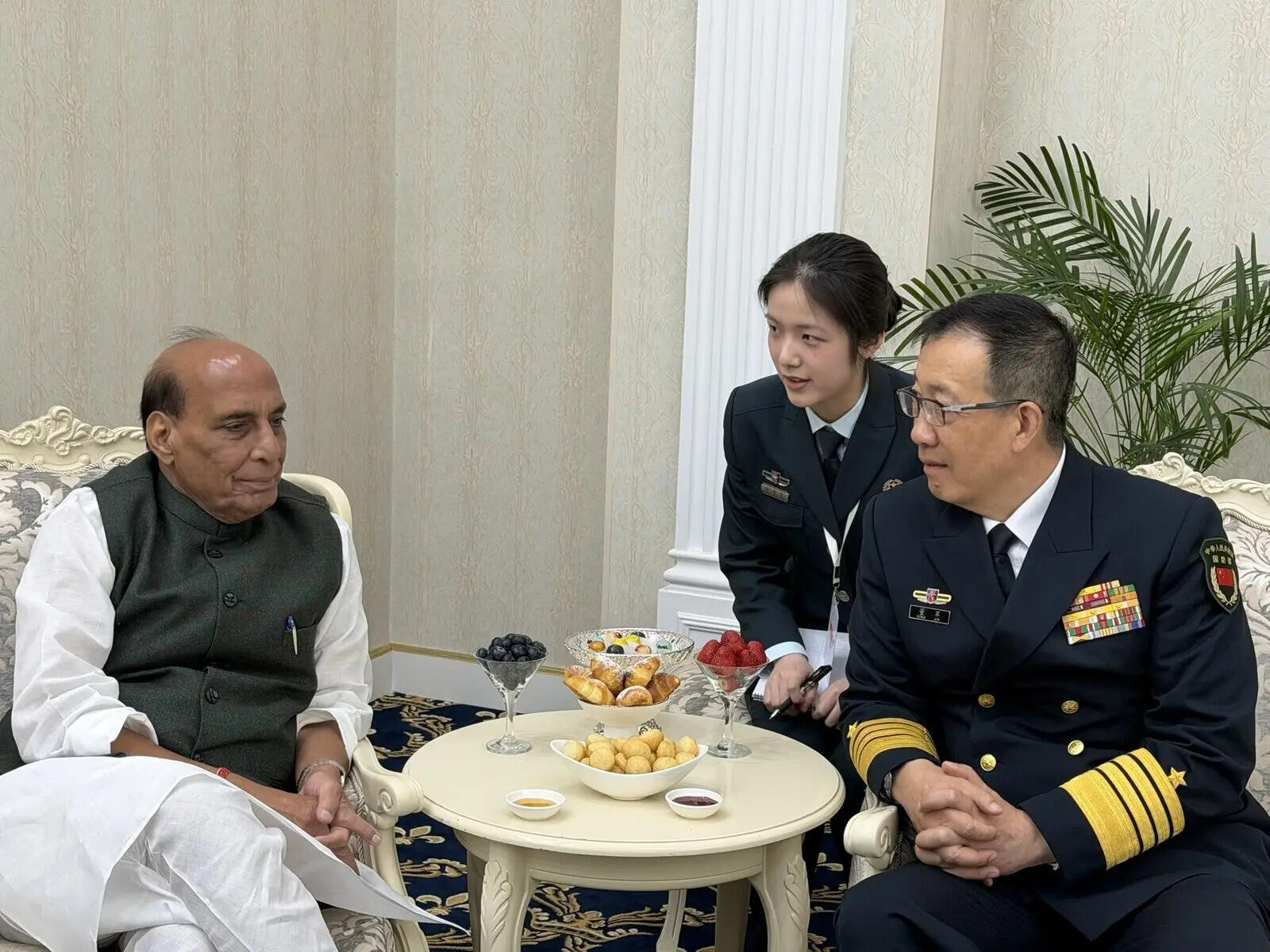
India’s Defense Minister, Rajnath Singh, recently held a high-level meeting with China’s Defense Minister, Admiral Dong Jun. The discussion took place in Bishkek, Kyrgyzstan, on the sidelines of a major regional security gathering. The two leaders focused on the growing instability in West Asia and shared their views on global security challenges. This meeting is a significant step in the ongoing effort to improve relations between the two neighbors following years of tension along their shared border.
Main Impact
The most important outcome of this meeting is the continuation of direct communication between India and China. Since the border standoff in 2020, diplomatic and military ties have been strained. By meeting face-to-face, the defense ministers are signaling that both nations want to manage their disagreements through talk rather than conflict. This dialogue helps reduce the risk of accidents or misunderstandings in sensitive border areas and allows both countries to coordinate on global issues like energy security and maritime trade.
Key Details
What Happened
The meeting occurred during the Shanghai Cooperation Organisation (SCO) Defense Ministers' gathering. While the main event focused on regional cooperation, the private talk between Singh and Dong Jun drew the most attention. They spoke about the current situation in West Asia, where conflicts have caused concerns for global oil prices and shipping routes. Beyond China, Rajnath Singh also held a separate meeting with the Russian Defense Minister. These talks focused on military cooperation and the long-standing defense partnership between India and Russia.
Important Numbers and Facts
The SCO is a large group that includes countries like India, China, Russia, Pakistan, and several Central Asian nations. It covers about 40% of the world's population. The border dispute mentioned, known as the LAC standoff, began in May 2020 and led to a significant increase in troop levels on both sides. Since then, over 20 rounds of military talks have taken place to try and move soldiers back to their original positions. This latest meeting in Bishkek adds another layer to these diplomatic efforts.
Background and Context
To understand why this meeting matters, it is helpful to look at the history between India and China. The two countries share a long border called the Line of Actual Control (LAC). In 2020, a violent clash occurred in the Galwan Valley, which was the most serious conflict between them in decades. Since that time, the relationship has been "frozen" in many ways. India has maintained that the overall relationship cannot be normal until there is peace and quiet at the border.
At the same time, the world is facing new problems. The situation in West Asia, particularly involving Israel, Gaza, and regional shipping lanes, affects both India and China. Both countries rely heavily on oil from that region. Therefore, they have a shared interest in making sure the conflict does not spread further. Discussing these global problems gives the two nations a way to work together even while they have local disagreements.
Public or Industry Reaction
Security experts and political observers see this meeting as a positive sign. Many believe that regular meetings between top officials are necessary to prevent small border issues from turning into larger wars. While the public in both countries remains cautious, the business community is watching closely. Improved ties could lead to better trade conditions, though India remains careful about Chinese investments in sensitive sectors. International leaders also view this dialogue as a way to keep the Asian region stable during a time of global uncertainty.
What This Means Going Forward
Looking ahead, we can expect more meetings at different levels of government. The goal is to reach a full agreement on where troops should be stationed along the border. If these talks continue to go well, it could lead to a meeting between the top leaders of both countries. However, the process will likely be slow. India will continue to watch the border closely while trying to find areas where it can cooperate with China on the world stage. The focus will remain on keeping the region peaceful so that both countries can focus on their own economic growth.
Final Take
This meeting shows that even when two powerful nations have deep disagreements, they still see the value in talking. By focusing on shared concerns like West Asia, India and China are finding ways to communicate that go beyond their border disputes. While a full resolution to their problems may take a long time, these discussions are a vital tool for keeping the peace in Asia and protecting global interests.
Frequently Asked Questions
What is the SCO?
The Shanghai Cooperation Organisation (SCO) is a group of countries that work together on security, economy, and politics in Asia and Europe. It includes major powers like India, China, and Russia.
Why is West Asia important to India and China?
West Asia is a major source of energy, especially oil and gas. Both India and China need these resources to run their economies. Any conflict in that region can raise prices and hurt global trade.
What is the LAC?
The LAC stands for the Line of Actual Control. It is the unofficial border between India and China. It has been a source of tension because the two countries do not always agree on where the line actually sits.



