
Summary
The 2027 Census in India has reached a significant milestone as more than 1.2 million households finished their self-enumeration process. This phase allowed families in 11 states and union territories to submit their own information online. The 15-day window for this digital reporting closed on Wednesday, marking a successful start to the national data collection effort. This process is a key part of the government's plan to gather accurate information about the population to help with future development.
Main Impact
The completion of the self-enumeration phase shows a major shift in how India collects data. By allowing citizens to enter their own details, the government is making the census more efficient and modern. This digital approach helps reduce the time needed for government workers to visit every single home. It also gives people more control over their information, ensuring that the data is as accurate as possible. The high number of households participating shows that many people are comfortable using digital tools for official tasks.
This data is not just a list of names. It serves as the foundation for how the government will spend money and build infrastructure over the next ten years. The information gathered during this phase will directly influence where new schools, hospitals, and roads are built. It also helps the government identify which areas need more support through welfare programs. By getting this right at the start, the government can ensure that resources go to the people who need them most.
Key Details
What Happened
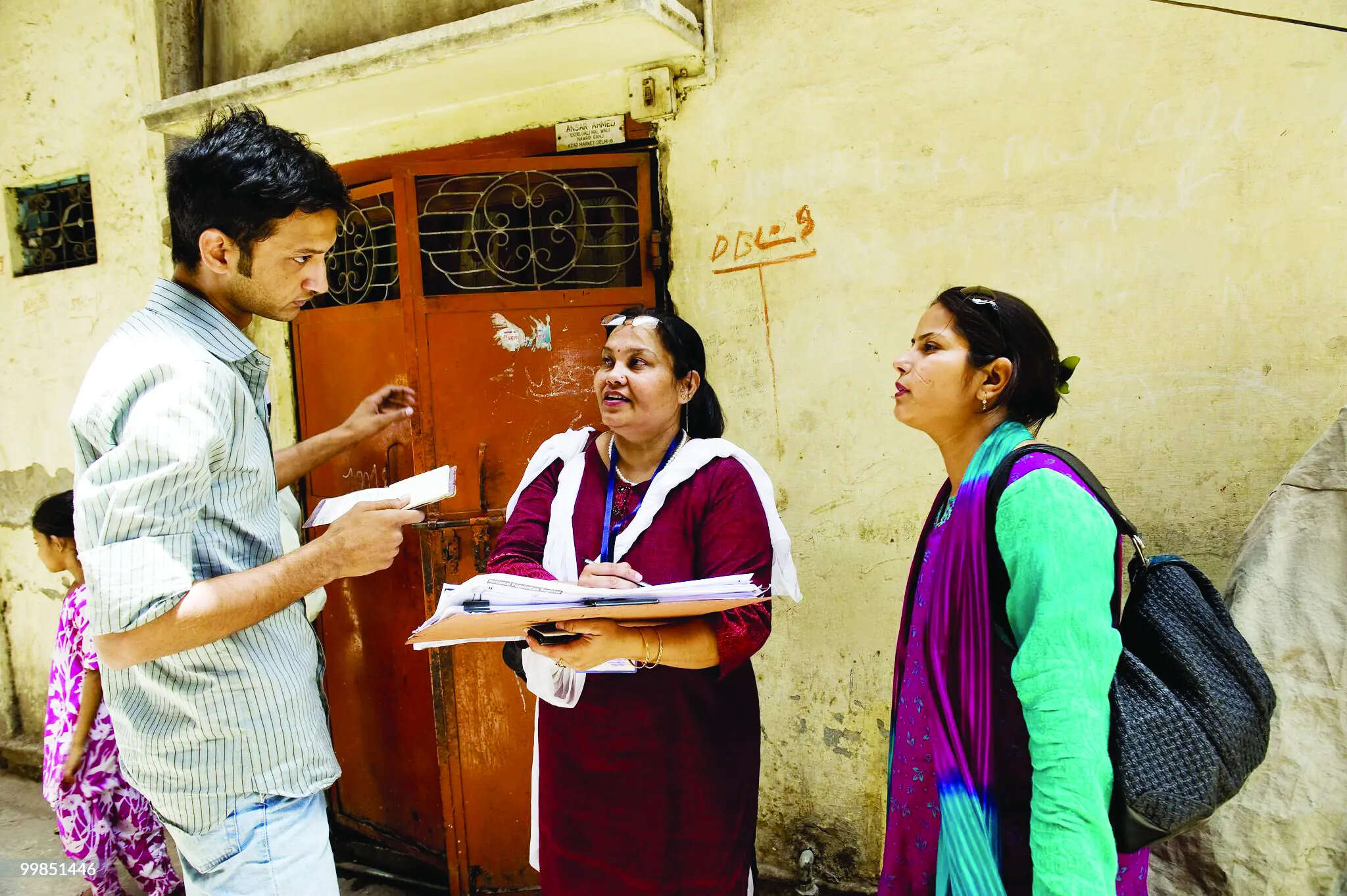
The self-enumeration window was open for 15 days and officially ended this Wednesday. During this time, residents in specific regions could log into a government portal to provide their household details. This was the first step in the larger Census 2027 project. Now that this window has closed, the next phase of the operation will begin immediately. Government workers, known as enumerators, will now start visiting homes in person to collect data from those who did not participate online.
Important Numbers and Facts
A total of 12 lakh (1.2 million) households successfully completed the online forms. This activity took place across 11 different states and union territories. The regions involved include the Andaman and Nicobar Islands, Goa, Karnataka, Odisha, Mizoram, Sikkim, and Lakshadweep. In the national capital region, the process covered the New Delhi Municipal Council (NDMC) area and various cantonment areas. Starting Thursday, field workers will begin their house-to-house visits in these eight states and union territories to ensure no one is left out of the count.
Background and Context
The census is a massive project that happens once every decade in India, though this current cycle has seen some delays. The current phase is known as the House Listing and Housing Census (HLO). This part of the census focuses on the buildings people live in and the basic facilities they have access to, such as clean water, electricity, and sanitation. It is different from the population count, which happens later, but it is just as important for understanding the living standards of the country.
The Home Ministry is the main government body responsible for managing the census. They use this data to create evidence-based plans. This means that instead of guessing what a community needs, they use the hard facts gathered from the census to make decisions. In a country as large and diverse as India, having precise data is the only way to manage public services effectively. This is why the government encourages everyone to participate, whether online or in person.
Public or Industry Reaction
A spokesperson from the Home Ministry shared that the HLO phase is an essential foundation for the country’s growth. Officials believe that the success of the self-enumeration phase shows a positive response from the public toward digital government services. Experts in public policy have noted that digital data collection is much faster than traditional paper methods. It also makes it easier to organize and analyze the information once it is collected. While some people were worried about how to use the online system, the high participation numbers suggest that the process was easy enough for many families to follow.
What This Means Going Forward
Now that the self-enumeration period is over, the focus shifts to the field workers. These enumerators will walk from door to door to talk to families who did not use the online system. This is a huge task that requires thousands of workers to visit millions of homes. They will carry tablets or mobile devices to record information directly into the system. This "hybrid" model—using both online self-reporting and in-person visits—is designed to make sure the census is complete.
The next few months will be busy as the field operations move into full swing. Residents who have already completed their forms online will simply need to show their confirmation to the visiting workers. For everyone else, the workers will help them fill out the necessary forms. The goal is to finish the house listing phase quickly so the government can move on to the next steps of the national census. This will eventually lead to a full report on the country's population and living conditions.
Final Take
The success of the self-enumeration phase is a strong start for Census 2027. With 1.2 million households already counted, the government has a solid head start on its data collection goals. As field workers begin their door-to-door visits, the focus remains on accuracy and making sure every household is included. This data will shape the future of India's development for years to come, making it one of the most important administrative tasks in the country.
Frequently Asked Questions
What is self-enumeration in the census?
Self-enumeration is a process where people can fill out their census forms themselves using an online portal. This allows families to provide their information directly to the government without waiting for a worker to visit their home.
What happens if I missed the online deadline?
If you did not complete the self-enumeration online, a government worker called an enumerator will visit your home in person. They will help you fill out the forms and collect the necessary information for the census.
Which states were involved in this phase?
The recent phase included 11 states and union territories, such as Karnataka, Odisha, Goa, Mizoram, Sikkim, and parts of Delhi. It also covered island territories like Lakshadweep and the Andaman and Nicobar Islands.



