
Summary
A former Japanese minister has publicly blamed India for delays in the Mumbai-Ahmedabad bullet train project, accusing New Delhi of breaking promises and pushing its own interests. Hideki Makihara, a member of Japan's ruling party, said the responsibility for the slow progress lies entirely with India. India's government has rejected these claims, stating that discussions are moving forward and that the first section of the high-speed rail corridor will open in 2027 using Indian-made trains.
Main Impact
The criticism from a former Japanese lawmaker has sparked a political debate about the future of the Mumbai-Ahmedabad high-speed rail project. This project is a key part of India's infrastructure plans and a major example of cooperation between India and Japan. The dispute highlights growing tensions over project timelines and technology choices, especially regarding the signalling system, which is critical for safety. India's quick response shows it wants to protect its reputation as a reliable partner and keep the project on track.
Key Details
What Happened
Hideki Makihara, a former Japanese minister and member of the Liberal Democratic Party, posted strong criticism on social media. He said that during meetings and negotiations, the Indian side was "reckless" and repeatedly failed to keep promises. He claimed that Japan had been excluded from the signalling system, which he called "the key to safety." Makihara stated that the delay was "100 per cent" India's fault, despite Japan's financial and technical support.
Important Numbers and Facts
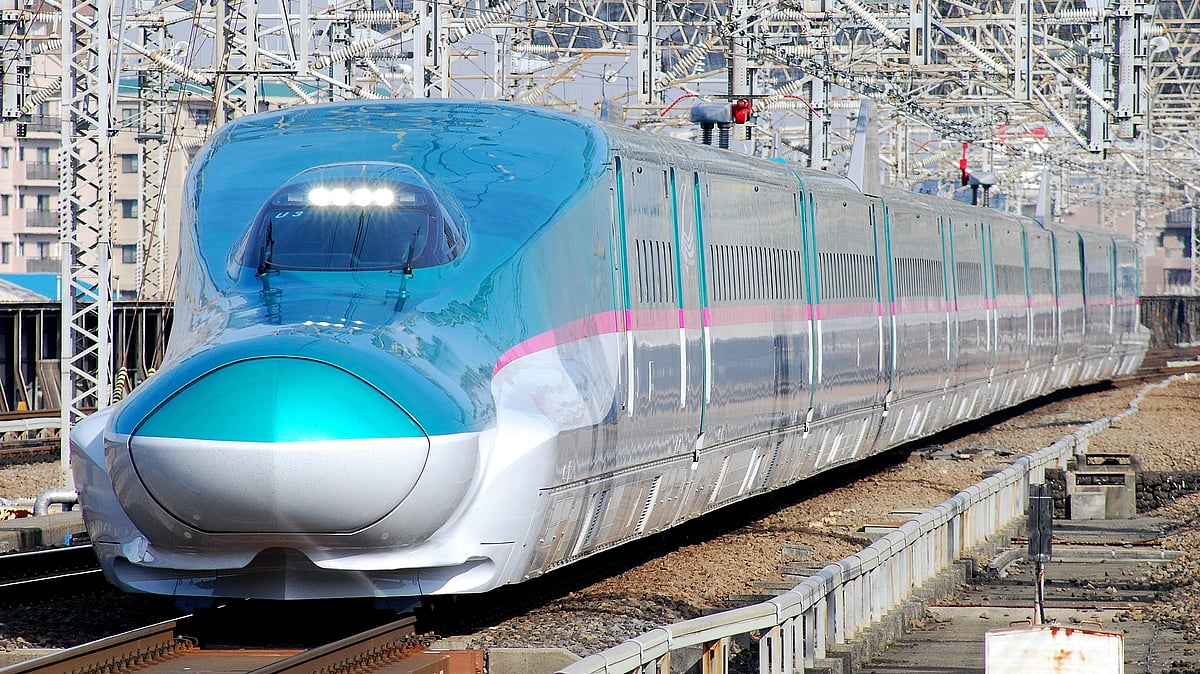
India's external affairs ministry spokesperson Randhir Jaiswal responded on July 17, 2026. He said Makihara's comments were "individual opinion" and not based on facts. Jaiswal confirmed that Japan will supply its E10 series Shinkansen trains, but only in the early 2030s because those trains are still under development. Meanwhile, India will start operations on the first section of the corridor in 2027 using an Indian-made high-speed train. On the signalling issue, Jaiswal said the equipment was ordered according to international standards and that no Japanese offer was received for that part of the project.
Background and Context
The Mumbai-Ahmedabad high-speed rail project is India's first bullet train corridor. It is being built with major help from Japan, which has provided soft loans, technology, and engineering know-how under a special cooperation programme. The project was originally planned to be completed by 2023, but it has faced several delays due to land acquisition issues, changes in design, and other challenges. The project is seen as a symbol of the strong partnership between India and Japan, but differences over timelines and technology have caused friction.
Public or Industry Reaction
The former minister's comments have created a political stir in both countries. In India, the government quickly dismissed the criticism as inaccurate. Some experts and commentators have pointed out that large infrastructure projects often face delays and that both sides need to work together more closely. In Japan, the remarks may raise questions about the effectiveness of the partnership, though the Japanese government has not officially commented. The Indian government's response suggests it wants to avoid any damage to the bilateral relationship and keep the project moving forward.
What This Means Going Forward
The dispute over the bullet train project could affect future cooperation between India and Japan on other big infrastructure projects. India's decision to use its own trains for the first phase shows it wants to reduce dependence on foreign technology and speed up the project. However, Japan's role remains important for the long-term supply of advanced Shinkansen trains. Both sides will need to resolve their differences over the signalling system and other technical issues to ensure the project is completed safely and on time. The opening of the first section in 2027 will be a key test of whether the project can regain momentum.
Final Take
The Mumbai-Ahmedabad bullet train project is at a critical point. While India and Japan remain committed to the project, public criticism from a former Japanese minister shows that trust has been strained. India's decision to start operations with its own trains is a practical move, but it also signals a shift in how the project will be managed. The success of the project will depend on both countries finding common ground on technology, timelines, and safety standards. For now, the focus is on delivering the first section by 2027 and proving that the partnership can still work.
Frequently Asked Questions
Why is the Mumbai-Ahmedabad bullet train project delayed?
The project has faced delays mainly due to land acquisition problems, changes in design, and differences between India and Japan over technology and timelines. India says the first section will open in 2027 using Indian-made trains, while Japan will supply its advanced trains later in the early 2030s.
What is the dispute over the signalling system?
A former Japanese minister claimed that Japan was excluded from the signalling system, which is important for safety. India says the signalling equipment was ordered according to international standards and that no Japanese offer was received for that part of the project.
Will Japan still supply trains for the bullet train project?
Yes. India has confirmed that Japan will supply its next-generation E10 series Shinkansen trains, but only in the early 2030s because those trains are still being developed. In the meantime, India will use its own high-speed trains when the first section opens in 2027.

