Summary
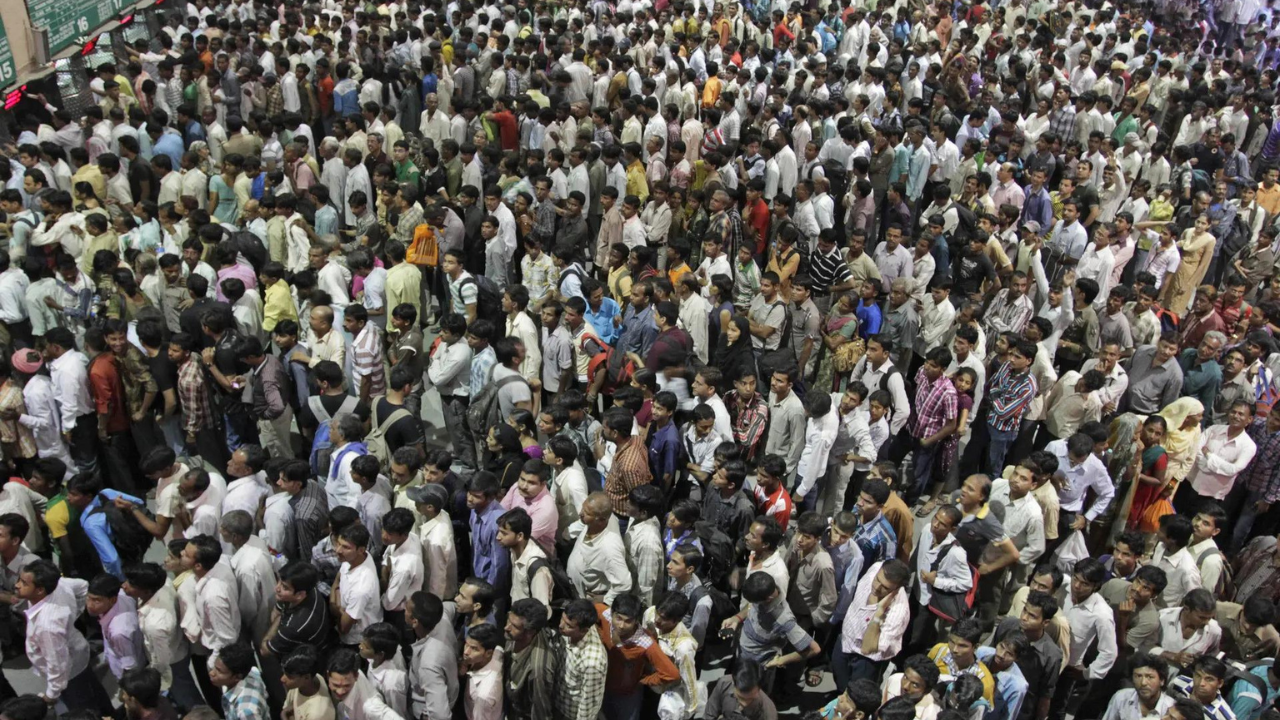
India is getting ready for its most important population count in decades. The 2027 Census will be a major event because it has been delayed for a long time. This headcount will be the first one in India to be completely digital, moving away from traditional paper forms. It will also include a count of different caste groups for the first time since 1931. This data is essential for the government to plan for the future and ensure that resources are shared fairly across the country.
Main Impact
The 2027 Census will have a massive effect on how India is governed. The most significant impact will be on the political system. The data collected will be used to redraw the boundaries of voting areas, which is a process known as delimitation. This could change how many representatives each state has in Parliament. Additionally, the census is the final step needed to start the new law that reserves 33% of seats for women in the Lok Sabha. Without this updated population data, these major political changes cannot happen.
Key Details
What Happened
India usually conducts a census every ten years. The last one was completed in 2011. The next one was scheduled for 2021, but it was put on hold because of the global health crisis. After a long wait, the government is now preparing to launch the exercise in 2027. This gap of more than a decade means that the current data used by the government is very old. The new census will provide a fresh look at how the population has changed over the last 16 years.
Important Numbers and Facts
This census will be unique for several reasons. First, it will be entirely paper-free. Hundreds of thousands of workers will use mobile apps and tablets to collect information from every household. This digital shift is expected to make the process much faster and reduce the number of mistakes. Second, the inclusion of caste data is a historic move. While India has counted specific groups like Scheduled Castes and Scheduled Tribes before, a full count of all caste groups has not happened in nearly a century. This will provide a detailed picture of the social structure of the country today.
Background and Context
A census is much more than just counting how many people live in a country. It is a tool that helps the government understand the needs of its citizens. The information collected includes details about age, education, work, and living conditions. This data helps officials decide where to build new schools, where to open hospitals, and how to improve roads and water supplies. For a fast-growing country like India, having accurate data is vital. Using old information from 2011 makes it difficult to create effective policies for a population that has grown and moved to different areas over the years.
Public or Industry Reaction
The decision to include a caste count has been met with a lot of discussion. Many political parties and social groups have been asking for this for a long time. They argue that knowing the exact number of people in different caste groups will help the government create better welfare programs. On the other hand, some experts have raised questions about data privacy. Since the census is going digital, they want to ensure that the personal information of millions of people is kept safe from hackers or misuse. Despite these concerns, most people agree that the census is a necessary step for the country's development.
What This Means Going Forward
Once the 2027 Census is finished, the results will lead to a period of big changes. The government will use the numbers to update its lists for food subsidies and other social help programs. The most debated part will be the redrawing of voting districts. States in the north, where the population has grown faster, might gain more seats in Parliament. This could lead to political disagreements with states in the south that have managed to slow their population growth. The government will need to handle these discussions carefully to ensure every part of the country feels represented.
Final Take
The 2027 Census is a historic task that will shape the future of India. By using digital tools and including caste data, the government is trying to create a more modern and detailed record of its people. This exercise will provide the foundation for the next decade of growth, helping to make sure that progress reaches every corner of the nation. It is a massive project that will require the cooperation of every citizen to be successful.
Frequently Asked Questions
Why is the 2027 Census being done digitally?
The digital approach is being used to make the counting process faster and more accurate. By using mobile apps instead of paper, the government can collect and analyze data much more quickly than in the past.
What is the importance of the caste count?
The caste count helps the government understand the social and economic status of different groups. This information is used to design better policies and ensure that government benefits reach those who need them most.
How does the census affect women's reservation?
A new law was passed to give women 33% of seats in Parliament, but it can only be implemented after a new census is completed. The 2027 Census will provide the data needed to set aside these seats for women candidates.